







Popular
What is the significance of the character of Prospero in the story?
How does the relationship between Prospero and Miranda develop throughout the film?
What role does Ariel play in Prospero's plans, and how does their relationship evolve?
What is the significance of the shipwreck in the story?
How does the character of Caliban reflect themes of colonization and power dynamics?
Should I watch it?
Ask Your Own Question

What is the plot?
A violent storm opens the film, hurling Alonso, King of Naples, and his court into chaos as their ship beats toward destruction near Prospero's island. On the shore, Prospero watches with controlled calm beside Miranda, the daughter he has raised in exile, and it becomes clear from the start that the tempest is no accident but a deliberately summoned punishment for old betrayals.
The story begins in the midst of motion and fear, with the sea churning under black skies and the ship's crew shouting over the crash of waves. The boatswain fights to keep order while nobles such as Alonso, Sebastian, Antonio, and Gonzalo demand obedience and safety at once, each man's authority collapsing in the face of the storm. The crew's blunt survival instinct collides with aristocratic panic, and the scene crackles with a kind of social inversion: the men of labor understand the sea, while the men of power only make the chaos worse. "What cares these roarers for the name of king?" becomes the kind of bitter truth the storm seems to speak, as rank proves useless against elemental force.
At the same time, away from the wreck, Prospero is shown as the architect of everything unfolding. He stands with Miranda on the island and tells her that the tempest is his doing, not nature's rage. In a long and intimate revelation, he explains their past: twelve years earlier, when he was Duke of Milan, his brother Antonio betrayed him, seized his dukedom, and--with Alonso's aid--sent him and his infant daughter out to die at sea. Instead of perishing, Prospero and Miranda washed ashore on this remote island, where they have lived ever since. The island is not just a refuge; it is a stage Prospero has spent years learning to control, with his books, his staff, and the spirit Ariel giving him mastery over wind, illusion, and movement. Miranda's horror deepens into pity as she hears how completely her father has been wronged, and the film makes clear that her innocence has been preserved at the cost of total isolation. She has known no society but her father's, no human companion beyond the island's supernatural and half-human inhabitants.
Prospero's first great act of control is to divide the wrecked survivors and send them stumbling into different corners of the island. Ariel, invisible and swift, becomes the instrument of his will: a whisper in the air, a song in the brush, a sudden disappearance around a bend. The ship's passengers are pulled apart into separate wandering threads, their world dissolved into confusion. Ferdinand, Alonso's son, is among the first to break free of the general disarray. He is isolated from his father and from the court, and the island immediately shifts from a political battlefield into a place of romance and testing. Following Ariel's guidance, Ferdinand is led to Prospero's dwelling, where he encounters Miranda.
Their meeting is one of the film's luminous pivots. Miranda sees Ferdinand and is struck as if by revelation; Ferdinand sees her and is equally undone. Neither has ever known anyone like the other, and their connection is immediate, fragile, and unguarded. Their love does not come after courtship but bursts forth in the same instant as recognition, as if each is the answer to the other's captivity. The tenderness of this scene stands in stark contrast to the violence elsewhere on the island. Miranda, who has spent her life under Prospero's protection and command, suddenly becomes emotionally independent for the first time. Ferdinand, separated from father and court, is not merely a prince lost in danger but a young man remade by wonder.
Prospero, however, does not permit this romance to proceed untested. Though he secretly approves, he assumes the role of severe father and enforcer. He accuses Ferdinand of dishonorable intentions and sets him to heavy labor, forcing him to carry logs and submit to degradation. This is not simple cruelty; it is a controlled trial, a way of proving whether Ferdinand's love is steadfast or merely impulsive. Ferdinand accepts the work, and his willingness to suffer for Miranda becomes one of the defining proofs of his worth. The island's physical burden--wood, sweat, fatigue--becomes the price of entering the future. Miranda, seeing Ferdinand's humiliation, is horrified by her father's hardness, yet she does not turn away from the young man; rather, the ordeal deepens her attachment, giving the romance a kind of moral weight. Prospero watches all of this unfold with the grim patience of a man determined to settle the past through the future.
Meanwhile, Alonso, Antonio, Sebastian, and Gonzalo wander through the island's interior in a state of uncertainty that slowly turns corrosive. Gonzalo remains the most humane presence among them, continuing to try to interpret events with decency and stability. Antonio, by contrast, proves himself still treacherous, and Sebastian, Alonso's brother, becomes increasingly susceptible to his influence. As they move through the island's strange spaces, Ariel manipulates them with sounds and visions, keeping them disoriented while Prospero's larger design advances. Their journey is not just physical but moral: every step seems to strip away another layer of denial, though none of them yet fully understands the hand guiding them.
Antonio and Sebastian's most dangerous scene emerges when Ariel engineers a situation ripe for violence. Alone with Alonso vulnerable, the two men speak in the language of opportunism and power. Antonio, who has already stolen Milan from Prospero, now encourages Sebastian to kill Alonso and seize the kingdom for himself. The plot is chilling because it is practical, not theatrical: a quiet assassination in sleep, followed by a swift transfer of rule. Sebastian hesitates just enough for the moment to remain suspenseful, and the atmosphere becomes thick with the possibility that one betrayal is about to reproduce itself as another. Ariel's intervention interrupts the murder before it can happen, preventing the blood from being spilled. This is one of the film's central confrontations: a conspiracy stopped at the edge of action, exposing Antonio's nature once again and reminding the audience that the old political rot has not been cured by time.
The island then shifts from hidden plotting to overt judgment. Prospero stages a banquet, a spectacle of nourishment and temptation, to lure the shipwrecked nobles into a moment of false relief. The table appears in eerie abundance, a magical offering that seems to promise hospitality, but the feast is only an illusion. At the height of expectation, Ariel appears as a harpy, a supernatural avenger with a terrible moral authority. In this form, Ariel denounces Alonso, Antonio, and Sebastian for their betrayal of Prospero, framing the shipwreck and the punishment on the island as justice returning upon them. The atmosphere turns almost apocalyptic. Food vanishes, power dissolves, and the nobles are forced to confront the idea that the island itself is speaking against them. Alonso is especially shaken when the harpy's judgment suggests that Ferdinand is dead and that his own sins have brought divine retribution. His grief becomes overwhelming, and the guilt he has carried to the island now rises to the surface in a way he can no longer ignore.
The film's moral center keeps tightening as Prospero's revenge approaches its climax. Yet even here the story refuses simple destruction. Prospero is not seeking a corpse-strewn ending; he is orchestrating recognition, remorse, and restoration. He has brought his enemies to the brink, but the point is to make them see themselves. As the noble party reels from Ariel's condemnation, Prospero finally reveals himself. The man they thought they had buried in the past stands before them alive, commanding the entire hidden machinery of the island. The revelation is devastating because it collapses years into a single moment: the exile was not the end of Prospero, but the beginning of his slow, disciplined return.
Antonio and Sebastian are humiliated by the exposure of their guilt. Alonso is broken by grief and fear, believing himself punished in the harshest possible way. Gonzalo, by contrast, remains a steady moral witness, and his loyalty becomes more precious as the others falter around him. Prospero's confrontation with his enemies is not a battle of swords but a battle of memory and conscience. He shows them, through control rather than force, that every act of betrayal has been seen and stored. His power has governed the island from the first wave to the last illusion, and now he makes that power visible.
The story's emotional release comes through Ferdinand and Miranda. Alonso learns that his son is not dead after all but alive, unharmed, and standing in love before him. The reunion is radiant and immediate. The father who has been crushed by grief is suddenly given back his heir, and the political future that seemed lost reappears in the form of a marriage already spiritually sealed. Miranda and Ferdinand are not merely restored to each other; they become the living bridge between old enmity and future peace. Prospero, who has controlled their encounters so tightly, now allows the relationship to become public fact. The test is over. Ferdinand has endured labor, humiliation, and separation without abandoning love, and Prospero accepts him.
The comic subplot, meanwhile, has been unfolding in parallel with absurd and earthy energy. Stephano, the drunken butler, and Trinculo, the king's jester, stumble into Caliban and exploit his resentment and confusion. Caliban, who sees the island as his by right and has lived under Prospero's domination, is drawn into their idiotic scheme by the promise of liquor and revenge. He imagines them as liberators, while they see him as a tool. The alliance is ridiculous and dangerous at once: a false revolution built on drunkenness, vanity, and delusion. Caliban's desire to overthrow Prospero is sincere, but Stephano and Trinculo turn it into farce. Their plot to kill Prospero and take over the island never rises beyond comic incompetence, and their eventual failure only confirms how unserious their ambition has always been. Still, the subplot matters because it sharpens the film's themes of exploitation, belonging, and mistaken power. Caliban is never simply a monster; he is a wounded, angry inhabitant whose claim to the island is morally entangled with the fact that Prospero has enslaved him. By the end, that tension is acknowledged rather than erased.
No principal characters die in the film's final resolution. The shipwreck is catastrophic, but it is not fatal in the end. The apparent deaths are illusions, especially Ferdinand's supposed death as manipulated by Ariel's harpy scene. The film's great tension rests not in body count but in the threat of irreversible loss--of sons, of kingdoms, of self-respect, of moral order. Every confrontation is therefore charged with the possibility of ending in death, even when it does not. The boatswain's storm-time struggle with the nobles, Antonio and Sebastian's assassination attempt on Alonso, and the comic conspiracy of Stephano, Trinculo, and Caliban all carry violent potential, yet each is absorbed into Prospero's larger design before it can become slaughter.
As the ending arrives, Prospero turns from punishment to release. He forgives his enemies rather than annihilating them. Alonso, ruined by guilt and grief, is allowed back into human fellowship. Antonio's guilt is exposed, though the film's resolution is gentler than final justice; his crimes are no longer hidden, and that exposure itself is punishment enough within this moral universe. Prospero recognizes that the island has served its purpose. He has tested everyone: the guilty, the innocent, the lovers, the servants, and the fools. Now he must relinquish the very force that has made all this possible.
Ariel is freed. This is one of the story's most important emotional turns, because Ariel has been the invisible pulse of the island's magic, carrying out each command with tireless intelligence. Prospero's release of Ariel marks the end of domination and the beginning of departure. He also renounces magic itself, giving up the power that has defined his exile and revenge. The books and staff that symbolized his authority are no longer tools of control but remnants of a life that must be left behind. In giving them up, he chooses the ordinary human world over the absolute command of enchantment. The island, once a prison and then a theater of judgment, ceases to be his kingdom.
The final movement is one of restoration and return. The ship is repaired, and the court prepares to sail back to Italy. The restored vessel represents more than transportation; it embodies the return of political order, the healing of disrupted lineage, and the rejoining of separated lives. Ferdinand goes with Miranda as his bride, and Alonso's joy at recovering his son merges with the prospect of peace between Naples and Milan. Gonzalo's decency is vindicated. The old crimes have not been erased, but they are no longer governing the future.
Prospero's last acts are quiet and solemn. He bids farewell to the island that has held him for twelve years, and he does so with the dignity of a man who has spent long years preparing to leave. The closing mood is not triumphant in a boastful sense; it is reflective, almost prayerful. The tempest that began in violence ends in reconciliation. The island that once stood for exile becomes the place where exile ends. Prospero's final acceptance is that power must yield to mercy, memory must yield to future, and revenge must yield to forgiveness. The film closes on departure, with the survivors made whole enough to go home, and with the sense that what was broken by treachery is now, if not fully healed, at least set back into motion toward life.

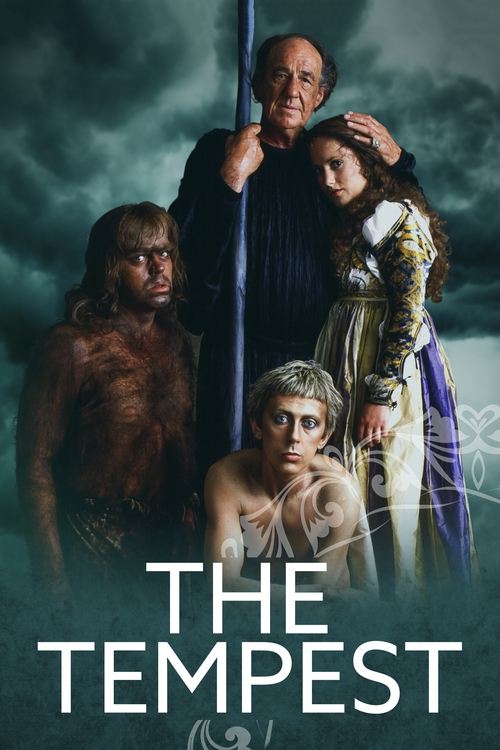







What is the ending?
In the ending of "The Tempest" (1983), the characters come to terms with their pasts and seek reconciliation. Prospero, having regained his power and control, forgives those who wronged him. He prepares to return to Milan, and the film concludes with a sense of hope and renewal as the characters look toward a future free from vengeance.
As the final act unfolds, we find ourselves on the enchanted island where Prospero has orchestrated the culmination of his plans. The atmosphere is thick with tension and anticipation. Prospero, played by the commanding figure of Shakespeare's original character, stands resolute, his magical powers at their peak. He has summoned his enemies--Antonio, his usurping brother, and Alonso, the King of Naples--along with their companions, to confront them about their past betrayals.
Scene by scene, the narrative unfolds with a palpable sense of drama. The first scene reveals Prospero revealing himself to the group, his presence both intimidating and authoritative. The characters are visibly shaken, caught off guard by the sudden confrontation. Prospero's voice resonates with a mix of anger and sorrow as he recounts the injustices he has suffered, his isolation on the island, and the loss of his dukedom. The audience can feel the weight of his emotions, a blend of hurt and a desire for justice.
As the tension escalates, Prospero's daughter, Miranda, steps forward, embodying innocence and compassion. Her presence softens the atmosphere, and she gazes upon the shipwrecked men with a mixture of curiosity and empathy. When she sees Ferdinand, the son of Alonso, her heart swells with love, and the two share a tender moment that symbolizes hope and new beginnings. Their connection serves as a counterpoint to the darker themes of betrayal and revenge that have dominated the narrative.
In the next scene, Prospero confronts Antonio directly. The air is thick with unresolved conflict as Antonio attempts to justify his actions. Prospero, however, stands firm, his resolve unyielding. He demands accountability, and the audience can sense the internal struggle within Antonio, who grapples with guilt and fear. This confrontation is pivotal, as it highlights the themes of forgiveness and the possibility of redemption.
As the climax approaches, Prospero makes a crucial decision. He chooses to forgive rather than seek vengeance. This moment is powerful, as it signifies a turning point not only for him but for all the characters involved. The emotional release is palpable, and the tension that has built throughout the film begins to dissipate. Prospero's act of forgiveness is a testament to his growth and understanding of the futility of revenge.
In the final scenes, the characters begin to reconcile. Alonso expresses remorse for his past actions, and the bond between him and Prospero is tentatively restored. The audience witnesses a transformation in Alonso, who acknowledges his mistakes and seeks to make amends. This moment of reconciliation is underscored by the return of harmony to the island, as the natural world around them seems to respond to the emotional shifts taking place.
As the film draws to a close, Prospero prepares to leave the island, symbolizing a return to his rightful place in Milan. He relinquishes his magical powers, casting away his staff and breaking his connection to the island's enchantments. This act signifies not only a farewell to the island but also a farewell to the burdens of his past. The characters gather, united in their shared experiences and newfound understanding.
Miranda and Ferdinand's engagement is celebrated, representing the hope for a brighter future. The film ends on a note of optimism, with the characters looking forward to a new beginning, free from the shadows of their past. Prospero's journey from isolation to reconciliation encapsulates the film's core message about the power of forgiveness and the importance of human connection.
In summary, the fates of the main characters are intertwined in this resolution. Prospero returns to Milan, having found peace and closure. Miranda and Ferdinand embark on a new life together, symbolizing hope and renewal. Alonso seeks redemption, while Antonio is left to confront the consequences of his actions. The film concludes with a sense of harmony, leaving the audience with a lingering feeling of hope and the possibility of redemption for all.
Is there a post-credit scene?
The 1983 film "The Tempest," directed by Paul Mazursky, does not have a post-credit scene. The film concludes with a resolution that ties up the narrative threads, focusing on the characters' emotional journeys and transformations. The ending emphasizes themes of forgiveness, love, and the possibility of new beginnings, leaving the audience with a sense of closure as the characters move forward in their lives. The absence of a post-credit scene aligns with the film's focus on character development and emotional resolution rather than setting up future narratives.
What is the significance of the character of Prospero in the story?
In the 1983 adaptation of 'The Tempest,' Prospero is portrayed as a powerful sorcerer and the rightful Duke of Milan, who has been exiled to a remote island. His character embodies themes of revenge and forgiveness, as he seeks to reclaim his dukedom while grappling with his own moral dilemmas. Prospero's internal conflict is evident as he balances his desire for vengeance against those who wronged him with the need to forgive and move on.
How does the relationship between Prospero and Miranda develop throughout the film?
The relationship between Prospero and his daughter Miranda is central to the narrative. Initially, Prospero is protective and controlling, having raised Miranda in isolation on the island. As the story unfolds, their bond is tested when Miranda encounters Ferdinand, leading to Prospero's struggle between his paternal instincts and his desire to see Miranda find happiness. This dynamic showcases Prospero's growth as he learns to let go and trust his daughter's choices.
What role does Ariel play in Prospero's plans, and how does their relationship evolve?
Ariel, a spirit bound to serve Prospero, plays a crucial role in executing his plans for revenge against his enemies. Throughout the film, Ariel's relationship with Prospero is complex; while Ariel is loyal and eager to please, he also yearns for freedom. This desire creates tension, as Prospero's control over Ariel reflects his own struggles with power and servitude. Their interactions highlight themes of loyalty, freedom, and the cost of power.
What is the significance of the shipwreck in the story?
The shipwreck serves as the catalyst for the events of 'The Tempest.' It is orchestrated by Prospero's magic, bringing his enemies to the island and setting the stage for confrontation and reconciliation. The chaos of the shipwreck symbolizes the disruption of the natural order and the beginning of a transformative journey for all characters involved. It also represents the intersection of fate and free will, as characters are forced to confront their past actions.
How does the character of Caliban reflect themes of colonization and power dynamics?
Caliban, the island's original inhabitant, represents the complexities of colonization and the struggle for power. Initially portrayed as a savage and brutish figure, his character reveals deeper layers of resentment and a desire for autonomy. His relationship with Prospero is fraught with tension, as Caliban feels oppressed by Prospero's rule. This dynamic raises questions about authority, exploitation, and the consequences of colonialism, making Caliban a pivotal character in exploring these themes.
Is this family friendly?
The 1983 film "The Tempest," directed by Paul Mazursky, is a loose adaptation of William Shakespeare's play of the same name. While it has whimsical and fantastical elements, there are several aspects that may be considered objectionable or upsetting for children or sensitive viewers.
-
Themes of Betrayal and Revenge: The film explores complex themes of betrayal, revenge, and the consequences of past actions, which may be difficult for younger audiences to fully grasp.
-
Mature Relationships: There are romantic and sexual undertones, including scenes that depict adult relationships and emotional conflicts, which may not be suitable for children.
-
Emotional Turmoil: Characters experience significant emotional struggles, including feelings of isolation, anger, and regret, which could be distressing for sensitive viewers.
-
Supernatural Elements: The presence of magical and supernatural occurrences may be unsettling for some children, particularly those who are sensitive to fantasy themes.
-
Mild Language: There are instances of mild profanity and adult language that may not be appropriate for younger audiences.
-
Conflict and Tension: The film contains scenes of conflict and tension that may evoke feelings of anxiety or discomfort.
Overall, while "The Tempest" has a whimsical and imaginative quality, its deeper themes and mature content may not make it entirely family-friendly for all viewers.








