












Popular
What challenges did Jesse Owens face during his early life and how did they shape his character?
How did Jesse Owens prepare for the 1936 Berlin Olympics, and what were his motivations?
What was Jesse Owens' relationship with his coach, Larry Snyder, and how did it influence his career?
How did Jesse Owens react to the political climate in Germany during the 1936 Olympics?
What were the immediate reactions of the American public and media to Jesse Owens' success at the Olympics?
Should I watch it?
Ask Your Own Question

What is the plot?
Sorry, we aren't able to watch and write up a full detailed plot yet. Check back in a few days.
More Movies Like This
Browse All Movies →






What is the ending?
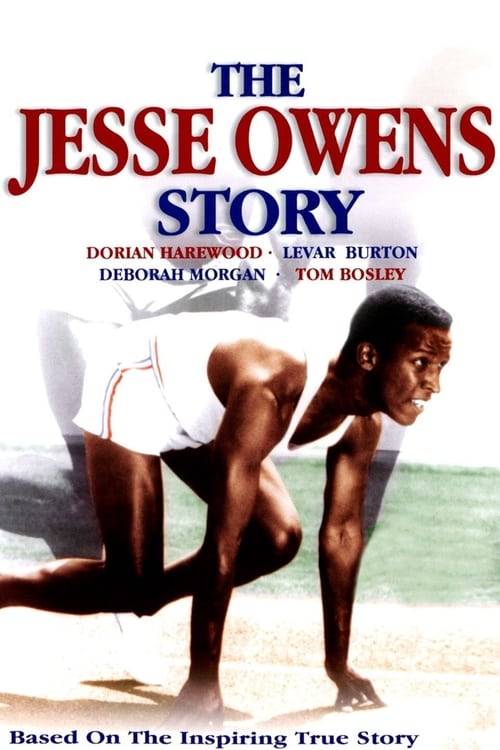
In the ending of "The Jesse Owens Story," Jesse Owens competes in the 1936 Berlin Olympics, where he wins four gold medals, defying the racial prejudices of the time. His victories bring him fame and recognition, but he also faces the harsh realities of racism in America after returning home. The film concludes with Owens reflecting on his achievements and the ongoing struggle for equality.
As the final act of "The Jesse Owens Story" unfolds, the scene shifts to the grand stage of the 1936 Berlin Olympics. The atmosphere is charged with anticipation, as the world watches the Games, particularly the events involving Jesse Owens, the African American athlete who has already become a symbol of hope and defiance against the backdrop of Nazi Germany's racial ideologies.
The first event is the 100-meter dash. The camera captures the tension on the starting line, focusing on Jesse's determined expression. As the race begins, the sound of the starting gun echoes, and Jesse explodes off the blocks, his powerful legs propelling him forward. The crowd roars as he crosses the finish line first, securing his first gold medal. The jubilation is palpable, but the film also juxtaposes this moment with the disapproving glances of Nazi officials, highlighting the political tension surrounding his victories.
Next, the scene transitions to the long jump, where Jesse faces a fierce competitor, the German athlete Luz Long. The film portrays a moment of camaraderie between the two, as Long offers Jesse advice and encouragement. This scene emphasizes the theme of sportsmanship transcending racial and national boundaries. Jesse's successful jump earns him a second gold medal, and the two athletes share a moment of mutual respect, showcasing the humanity that exists even amidst the political turmoil.
The narrative then moves to the 200-meter race, where Jesse again dominates, securing his third gold medal. The film captures the exhilaration of the moment, with Jesse's family and supporters cheering him on from the stands. However, the underlying tension remains, as the Nazi regime's propaganda machine attempts to downplay his achievements.
Finally, the climax of the Olympics arrives with the 4x100 meter relay. Jesse runs the anchor leg, and the scene is filled with suspense as the baton is passed among his teammates. The camera focuses on Jesse's intense concentration as he sprints towards the finish line, ultimately clinching his fourth gold medal. The crowd erupts in applause, but the film poignantly contrasts this celebration with the reality that awaits him back home.
As the Olympics conclude, Jesse returns to the United States, where he is met with a mixed reception. The film depicts the stark reality of racial discrimination that persists despite his monumental achievements. Jesse is celebrated in some circles but faces exclusion and prejudice in others. The emotional weight of this moment is palpable, as he grapples with the disparity between his Olympic success and the ongoing struggle for civil rights.
In the final scenes, Jesse reflects on his journey, acknowledging the significance of his victories while recognizing the work that still lies ahead for equality. The film closes with a sense of hope, as Jesse Owens stands as a beacon of resilience and determination, inspiring future generations to continue the fight against racism and injustice.
The fates of the main characters are intertwined with this narrative. Jesse Owens emerges as a celebrated athlete but also as a symbol of the ongoing struggle for civil rights. Luz Long, though a competitor, is portrayed as a friend and ally, representing the possibility of unity across racial divides. The film leaves viewers with a poignant reminder of the complexities of success in a world still grappling with deep-seated prejudices.
Is there a post-credit scene?
The Jesse Owens Story, produced in 1984, does not contain a post-credit scene. The film concludes with a focus on Jesse Owens' achievements and the impact of his legacy, particularly highlighting his historic performance at the 1936 Berlin Olympics. The narrative wraps up with a sense of closure regarding Owens' life and career, emphasizing his triumphs and the challenges he faced, without any additional scenes after the credits.
What challenges did Jesse Owens face during his early life and how did they shape his character?
Jesse Owens faced significant challenges during his early life, including racial discrimination and economic hardship. Growing up in a poor family in Alabama, he experienced the harsh realities of segregation and limited opportunities for African Americans. These experiences instilled in him a strong determination to succeed and a desire to prove himself against the odds. His family's support, particularly from his mother, played a crucial role in nurturing his talent and ambition.
How did Jesse Owens prepare for the 1936 Berlin Olympics, and what were his motivations?
Jesse Owens prepared for the 1936 Berlin Olympics with intense training and focus. He was motivated not only by personal ambition but also by the desire to challenge the prevailing racial stereotypes of the time. His training regimen included rigorous workouts and competitions, which honed his speed and technique. Owens was driven by the hope of achieving greatness and demonstrating that talent knows no race.
What was Jesse Owens' relationship with his coach, Larry Snyder, and how did it influence his career?
Jesse Owens had a close and supportive relationship with his coach, Larry Snyder. Snyder recognized Owens' potential early on and became a mentor who believed in his abilities. Their bond was built on mutual respect and trust, with Snyder pushing Owens to excel while also providing emotional support. This relationship was pivotal in shaping Owens' confidence and performance, particularly as he prepared for the Olympics.
How did Jesse Owens react to the political climate in Germany during the 1936 Olympics?
During the 1936 Olympics in Germany, Jesse Owens was acutely aware of the political climate and the propaganda surrounding the event. Despite the pressure and the expectations placed on him as an African American athlete in Nazi Germany, Owens maintained his focus on competition. He felt a mix of pride and defiance, as his success on the track was a direct challenge to Hitler's ideology of Aryan superiority. Owens' victories were not just personal triumphs but also symbolic gestures against racism.
What were the immediate reactions of the American public and media to Jesse Owens' success at the Olympics?
The immediate reactions of the American public and media to Jesse Owens' success at the 1936 Olympics were mixed. While many celebrated his achievements and hailed him as a hero, others were uncomfortable with the implications of an African American athlete excelling on such a grand stage. The media coverage highlighted his four gold medals, but it also reflected the racial tensions of the time, with some commentators downplaying his accomplishments in light of his race. Owens' success sparked conversations about race and equality in America.
Is this family friendly?
The Jesse Owens Story, produced in 1984, is generally considered family-friendly, focusing on the inspiring life of the Olympic athlete Jesse Owens. However, there are a few scenes and themes that may be potentially objectionable or upsetting for children or sensitive viewers:
-
Racial Discrimination: The film addresses the harsh realities of racism and discrimination that Jesse Owens faced, both in his personal life and in the broader societal context of the 1930s. This includes scenes depicting segregation and prejudice.
-
Emotional Struggles: Jesse experiences moments of frustration, disappointment, and sadness due to the challenges he faces, which may be intense for younger viewers to process.
-
Historical Context: The film touches on the political climate of the time, including references to the Nazi regime and the Olympics, which may require some contextual understanding for younger audiences.
-
Family Struggles: There are scenes that depict the challenges within Jesse's family, including financial hardships and the pressure of expectations, which may resonate emotionally but could be heavy for some viewers.
Overall, while the film conveys a powerful message of perseverance and triumph, these elements may require parental guidance for younger audiences.









