








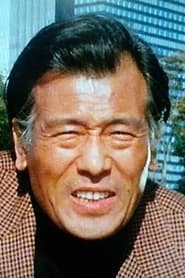
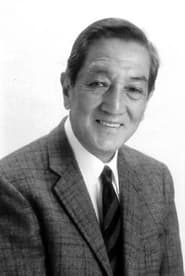
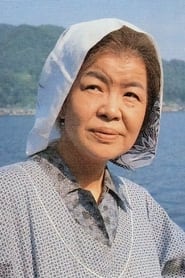
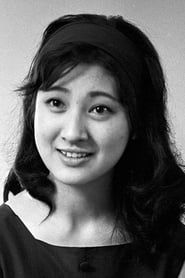










Popular
What is the significance of the empty table in the film?
How does the character of Sarah cope with her grief throughout the story?
What role does the character of David play in Sarah's healing process?
How does the film portray the relationship between Sarah and her deceased partner?
What is the significance of the recurring flashbacks in the narrative?
Should I watch it?
Ask Your Own Question

What is the plot?
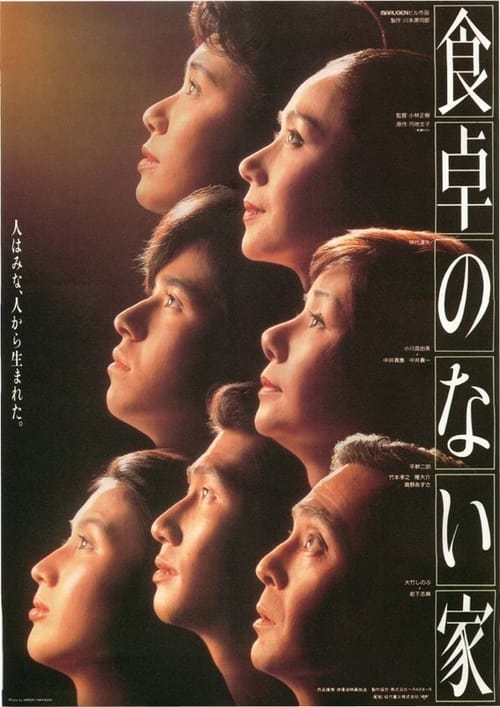
The screen fades in on a warm, golden-lit dining room in the Kidoji family home, somewhere in suburban Japan, where laughter echoes off the wooden walls. Nobuyuki Kidoji, a stern yet proud patriarch in his crisp suit, sits at the head of a bountiful table laden with steaming rice, grilled fish, and miso soup. His wife, Yumiko Kidoji, beams with quiet joy as she serves portions, her hands steady and loving. Their eldest son, Otohiko Kidoji, a lanky young man with intense eyes, raises a glass in toast, his siblings flanking him: daughter Tamae Kidoji, vibrant and poised with her long dark hair, and the youngest, Osamu Kidoji, a boy on the cusp of adolescence, grinning shyly. "To our family," Otohiko declares, his voice full of youthful promise, "always together, no matter what." Glasses clink, and the camera lingers on their united faces, the table a glowing symbol of harmony. This idyllic memory, from some unmarred evening before the storm, cuts abruptly to the present--a stark, shadowed kitchen in the same house, one year after Otohiko's arrest on February 15, 1974, for his role in a terrorist kidnapping that spiraled into deadly chaos.
Nobuyuki returns home from his office job, the clock ticking past 7 PM, his footsteps heavy on the genkan floor. The house feels hollow, the air thick with unspoken accusations. He hangs his coat precisely, as always, and enters the dining area. The table sits barren, no plates set, no aromas of home-cooked meals. Cold leftovers congeal in the refrigerator--rice hardened, fish gone stale--a silent rebuke from his fractured family. Nobuyuki heats a meager portion alone, the chopsticks clicking like accusations in the quiet. He is a man of rigid principles, a salaryman who believes fiercely in personal responsibility: "My son is an adult. His crimes are his alone," he mutters to himself, echoing convictions he's defended to colleagues and neighbors alike. But the empty table mocks him, a visual wound representing the disintegration wrought by Otohiko's actions and his own unyielding stance.
Flashbacks intercut the present, pulling us into the nightmare that shattered them. In the snowy mountains of Gunma Prefecture, at a remote inn during the brutal winter siege of early 1972, Otohiko and his United Red Army comrades barricade themselves after a botched kidnapping. The group, once idealistic student radicals fighting Japan's capitalist system, has devolved into cult-like madness under fanatical leaders. Internal purges claim lives first: comrades execute suspected traitors in "self-criticism" sessions, bludgeoning them with pipes and rifles. A heavily pregnant woman, one of their own, is murdered in cold blood--beaten to death for "weakness," her unborn child perishing with her. The death toll mounts as paranoia grips them: at least five members die this way, their bodies hidden in the inn's shadows. Police surround the site, helicopters thumping overhead, snow whipping in the wind. Gunfire erupts in a prolonged shootout; multiple unnamed terrorists fall to police bullets, their blood staining the white drifts, while several officers die in the crossfire--Otohiko's group responsible for at least three confirmed police fatalities amid the chaos. Mothers of the perpetrators, including Yumiko in a desperate bid, are herded to the perimeter. They shout through megaphones into the frigid night: "Otohiko! Come home to your mother! We forgive you--surrender now!" Yumiko's voice cracks, raw with maternal agony, but Otohiko, hardened by ideology, does not emerge. He fights on until captured alive, his arrest sealing the family's fate. One other father, unnamed but a mirror to Nobuyuki's defiance, hangs himself in shame shortly after, his body swaying from a beam in atonement for his son's sins--unlike Nobuyuki, who stands firm.
Back in the present, tension simmers in the Kidoji home as societal pressure mounts. Neighbors whisper behind cupped hands; colleagues at Nobuyuki's firm shoot sidelong glances during lunch breaks. "Your son brought death to innocents," a coworker hisses one afternoon in the office hallway, around 1 PM on a drizzly spring day. "Resign like the others--show responsibility!" Nobuyuki's jaw tightens. "I am not my son. He chose his path." He refuses to quit, defying the unspoken Japanese code where shame demands collective penance. This stance ignites the first major confrontation: Yumiko confronts him in the kitchen one evening, her face pale, eyes rimmed red from sleepless nights. "Nobuyuki, they're right! Otohiko's disgrace is ours now. The other parents begged, resigned-- one even killed himself! Why won't you?" Her voice rises, hands trembling as she clutches a crumpled newspaper headline: "Terror Son Captured--Multiple Dead in Mountain Bloodbath." Nobuyuki slams his fist on the counter. "He is 25 years old, Yumiko! An adult. I won't grovel for a murderer." The argument escalates, words like knives; Yumiko collapses in sobs, her breakdown triggered by the weight of public scorn and his immovability. She clutches her chest, gasping, and is rushed to the hospital that night, diagnosed with acute nervous exhaustion. The doctor, stern-faced, tells Nobuyuki in the sterile hallway at 10 PM: "Her heart can't take this isolation. The family's tearing her apart." Yumiko remains hospitalized for weeks, her bed a prison of IV drips and beeping monitors, leaving the house even emptier.
Tamae, the 22-year-old daughter, feels the shame acutely next. Pretty and ambitious, she works as a secretary, dreaming of a stable future. Her fiancé, a mild-mannered banker named Hiroshi (unnamed in records but central to her arc), proposes over tea in a quiet café one Saturday afternoon. But whispers reach his family: "Kidoji? The terrorist's sister? Unthinkable." The engagement shatters publicly--Hiroshi's mother confronts Tamae at the family home, around 3 PM, her voice shrill: "Your brother's blood on our hands? No wedding!" Tamae weeps in her room, slamming doors, her dreams crumbling like the family's unity. Desperation breeds cunning; she resorts to "underhanded methods," seducing Hiroshi in a clandestine motel rendezvous, ensuring pregnancy as leverage. "I love you--marry me now, before they stop us," she whispers urgently in the dim room, her body pressed against his, tears mixing with passion. The ploy works; shamed by the shotgun circumstances, Hiroshi's family relents. They wed in a subdued ceremony at a local registry office on a gray autumn day, Tamae in a simple white dress, her smile brittle. But victory tastes bitter; she moves out soon after, severing ties, her new home a symbol of survival at the cost of integrity.
Osamu, the 16-year-old younger son, hovers on the periphery, a ghost in his own house. Bullied at school--"Your brother's a killer!" jeer classmates during lunch recess--he withdraws, spending afternoons alone in his room, textbooks untouched. He confronts Nobuyuki one tense dinner--though no shared meal occurs, he bursts into the kitchen at 8 PM, voice cracking: "Father, why won't you help Otohiko? Mother's in the hospital because of you!" Nobuyuki's eyes flash. "Help? He murdered people, Osamu! Take responsibility means facing consequences alone." Osamu storms out, slamming the door, his resentment festering. Only he lingers at home, a reluctant anchor, but the emotional gulf widens; he eats separately, silently, the empty table between them growing vaster.
Otohiko rots in prison, a gray fortress on Tokyo's outskirts. Visits are sparse; Nobuyuki refuses to plead for leniency, believing it undermines justice. In one stark scene, through Plexiglas at 2 PM visiting hours, Otohiko, gaunt and hollow-eyed, presses the phone to his ear. "Father, the cause was just--capitalism breeds violence." Nobuyuki stares coldly. "Your 'cause' killed innocents. Own it." No forgiveness flows; Otohiko languishes, sentenced to decades for kidnapping, murder complicity, and the shootout deaths.
Months grind on, the year post-arrest marked by relentless erosion. Society's gaze intensifies: reporters camp outside the home one rainy evening in summer, flashbulbs popping as Nobuyuki shields his face. "Kidoji-san, why no resignation? Your son caused multiple deaths--police, comrades, that pregnant woman!" He pushes through, silent, but inside, doubt creeps. Yumiko returns from the hospital frail, her eyes distant; she eats in bed, avoiding the table. Tamae visits once, pregnant belly swelling, her new life a distant orbit: "Father, your pride cost us everything." Osamu rebels openly, skipping school, hanging with delinquents--another confrontation erupts at dawn, 6 AM, as Nobuyuki drags him from bed. "You're becoming like him!" Osamu spits back: "No, like you--cold and alone!"
Tension builds inexorably toward the climax, not in gunfire or screams, but in Nobuyuki's soul. Flashbacks intensify: the mountain inn's siege replays in nightmares, mothers' pleas--"Come home, son!"--mingling with gunfire cracks. The pregnant woman's murder haunts him, revealed in news clippings: bludgeoned by Otohiko's comrade for "betraying the revolution," her screams echoing in his mind. Other revelations surface--Otohiko wasn't just a kidnapper; he participated in internal executions, wielding the rifle that felled two traitors, his hands stained by the cult's madness that shocked 1970s Japan, dooming the student movement. Nobuyuki pores over articles at his desk late at night, the lamp casting long shadows, realizing the full horror: his son's not a misguided idealist, but a killer in a death cult.
The family fully crumbles. Yumiko relapses, returning to hospital indefinitely. Tamae births her child in a sterile delivery room on a crisp November morning, cutting final ties: "Goodbye, Father--we can't live in your shadow." Osamu packs a bag one stormy evening at 9 PM, eyes defiant: "I'm leaving too. You're the real terrorist--destroying us with your 'principles.'" The door clicks shut, leaving Nobuyuki utterly alone. The empty table looms larger, a void swallowing the room.
In the film's devastating climax, Nobuyuki wanders the now-silent house, flashbacks assaulting him: the cheerful dinner table morphs into carnage--the mountain shootout's bodies, the hanged father's limp form, Yumiko's hospital pallor. He sinks into his chair at the barren table, hands trembling as he grips cold chopsticks. A profound self-revelation crashes over him like a wave: it's not Otohiko's disgrace that destroyed them, but his own rigidity, his refusal to bend individualism to social obligation. "I was wrong," he whispers to the empty air, voice breaking for the first time. "Responsibility isn't just mine alone--it's for the family, for society. I clung to my stupid pride... like that bamboo sword, too dear to let go." Tears streak his weathered face, Tatsuya Nakadai's performance raw, eyes conveying a lifetime's weight. He acknowledges the dual truth: Otohiko must own his murders--the shootout dead, the internal victims including the pregnant woman--but Nobuyuki must own the family's ruin, balancing self with collective duty.
Yet acceptance comes too late; no redemption arcs. No suicide like the other father, no reunion. The final scene unfolds in quiet devastation: Nobuyuki returns home after a long day--it's winter again, one year exactly since the arrest's anniversary shadows linger. Snow dusts the windows. He enters the kitchen at dusk, 6 PM, the house a tomb. He prepares a solitary meal--cold rice, wilted vegetables--sets it on the empty table, and eats alone. The camera pulls back slowly, the table's emptiness vast, symbolizing irreversible loss. Chopsticks pause midway; a single tear falls onto the plate. Fade to black on his isolated figure, the family scattered--Yumiko hospitalized, Tamae married and distant with her child, Otohiko imprisoned for life, Osamu vanished into rebellion. Nobuyuki lives, but hollowed, his principles a pyrrhic victory in a society that demands conformity. The screen lingers on silence, the empty table eternal.
More Movies Like This
Browse All Movies →








What is the ending?
In the ending of "The Empty Table," the main character, a man named Paul, confronts his past and the choices he has made. He ultimately decides to leave behind the pain and regret associated with his former life. The film concludes with Paul finding a sense of closure, symbolized by an empty table that represents both loss and the possibility of new beginnings.
As the final scenes unfold, we see Paul standing in a dimly lit room, the atmosphere heavy with unspoken words and memories. The camera captures his weary expression, reflecting the burden of his past. He gazes at the empty table in front of him, a stark reminder of the relationships that have faded and the opportunities lost. The table, once filled with laughter and companionship, now stands as a symbol of solitude.
In a series of flashbacks, we witness moments from Paul's life that led him to this point. He recalls the warmth of family gatherings, the joy of shared meals, and the gradual unraveling of those connections. Each memory is tinged with a sense of longing and regret, as he grapples with the choices that have distanced him from those he once loved.
As the present moment returns, Paul takes a deep breath, his internal struggle evident. He reflects on the pain he has caused others and the isolation he has felt. The weight of his decisions presses down on him, but there is also a flicker of hope. He understands that to move forward, he must confront the ghosts of his past.
In the final moments, Paul makes a decision. He walks away from the empty table, symbolizing his choice to leave behind the sorrow and embrace the possibility of new beginnings. The camera follows him as he steps out into the light, a stark contrast to the darkness of the room he has just left. This act signifies his willingness to let go of the past and seek a future filled with potential.
The film concludes with a lingering shot of the empty table, now bathed in sunlight, suggesting that while loss is a part of life, it also opens the door to new opportunities and connections. Paul's journey ends not with a definitive resolution but with the promise of hope and the chance for redemption.
In terms of character fates, Paul emerges from his introspection with a renewed sense of purpose. He is no longer shackled by his past but instead is ready to face whatever comes next. The other characters, though not present in the final scenes, are implied to have moved on as well, each dealing with their own consequences of the choices made throughout the film. The empty table stands as a poignant reminder of what was lost but also of what could be gained in the future.
Is there a post-credit scene?
The movie "The Empty Table," produced in 1985, does not feature a post-credit scene. The film concludes its narrative without any additional scenes or content after the credits roll. The story wraps up with a poignant resolution, leaving the audience to reflect on the themes of loss, memory, and the passage of time that permeate the film. The absence of a post-credit scene aligns with the film's overall tone, emphasizing the emotional weight of the characters' journeys rather than providing a light-hearted or teasing conclusion.
What is the significance of the empty table in the film?
The empty table serves as a powerful symbol throughout the film, representing loss, absence, and the emotional void left by the characters' past experiences. It is a recurring visual motif that reflects the characters' struggles with their memories and relationships.
How does the character of Sarah cope with her grief throughout the story?
Sarah's journey through grief is depicted with raw emotional depth. She often retreats into solitude, reflecting on her past and the memories associated with the empty table. Her internal conflict is palpable as she oscillates between moments of despair and fleeting hope, ultimately seeking closure.
What role does the character of David play in Sarah's healing process?
David acts as a catalyst for Sarah's healing. His presence brings both comfort and conflict, as he represents a potential new beginning for her. Their interactions are filled with tension, as Sarah grapples with her feelings for David while still being haunted by her past.
How does the film portray the relationship between Sarah and her deceased partner?
The relationship between Sarah and her deceased partner is explored through flashbacks and poignant memories. These moments are filled with warmth and love, contrasting sharply with Sarah's current loneliness. The film delves into how their bond continues to affect her decisions and emotional state.
What is the significance of the recurring flashbacks in the narrative?
The flashbacks serve to deepen the audience's understanding of Sarah's character and her emotional turmoil. They provide context for her grief and illustrate the moments that led to her current state. Each flashback is carefully crafted to evoke nostalgia and sorrow, enhancing the film's emotional impact.
Is this family friendly?
"The Empty Table," produced in 1985, is a poignant drama that explores themes of loss, grief, and the complexities of family relationships. While the film is rich in emotional depth, it does contain elements that may be considered objectionable or upsetting for children or sensitive viewers.
-
Themes of Death and Grief: The central narrative revolves around the impact of a family member's death, which may be distressing for younger audiences or those sensitive to themes of loss.
-
Emotional Turmoil: Characters experience intense emotional struggles, including sadness, anger, and regret, which may be overwhelming for some viewers.
-
Family Conflict: There are scenes depicting conflict and tension among family members, which could be uncomfortable for children who may not fully understand the complexities of adult relationships.
-
Depictions of Loneliness: The film portrays feelings of isolation and despair, which might resonate deeply and evoke strong emotions in sensitive viewers.
-
Mature Conversations: Some dialogue may touch on mature themes related to relationships and personal struggles, which may not be suitable for younger audiences.
Overall, while "The Empty Table" offers a rich narrative experience, its exploration of heavy emotional themes may not be appropriate for all viewers, particularly children.








