








Popular
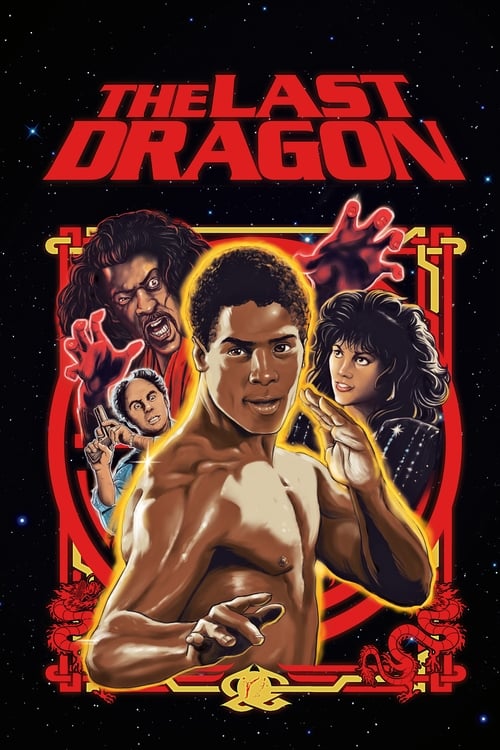
Who is the main character in The Last Dragon and what is his quest?
What role does Laura Charles play in Leroy's journey?
Who is Sho'Nuff and what is his significance in the story?
What is the significance of the 'Glow' in Leroy's character development?
How does Leroy's relationship with his family influence his character?
Should I watch it?
Ask Your Own Question

What is the plot?
Sorry, we aren't able to watch and write up a full detailed plot yet. Check back in a few days.
What is the ending?
In the ending of "The Last Dragon," Bruce Leroy confronts the villain Sho'nuff in a climactic battle. After a fierce fight, Bruce Leroy realizes his true potential and becomes the "Last Dragon," defeating Sho'nuff. He rescues Laura Charles, and they share a moment of connection. The film concludes with Bruce Leroy embracing his identity and purpose, having achieved mastery over himself and his skills.
Now, let's delve into the ending in a more detailed narrative fashion:
As the final confrontation approaches, the atmosphere is charged with tension. Bruce Leroy, having faced numerous challenges throughout his journey, stands ready to confront Sho'nuff, the self-proclaimed "Shogun of Harlem." The scene is set in a dimly lit warehouse, where the air is thick with anticipation. Leroy, clad in his signature outfit, exudes a calm determination, his eyes reflecting the inner strength he has cultivated.
The battle begins with Sho'nuff making a grand entrance, flanked by his gang, showcasing his flamboyant persona. He taunts Leroy, demanding to know if he has truly mastered the "glow" that signifies a true martial artist. Leroy, however, remains focused, his mind clear as he recalls the teachings of his mentor and the journey he has undertaken to find himself.
The fight erupts with a flurry of punches and kicks, each move executed with precision. Sho'nuff, with his over-the-top bravado, initially seems to have the upper hand, using his flashy techniques to intimidate Leroy. The choreography is dynamic, with the two combatants exchanging blows that resonate with the audience, each strike echoing the stakes of their conflict.
As the battle intensifies, Leroy begins to falter, momentarily doubting his abilities. He recalls the moments of self-discovery, the encouragement from Laura Charles, and the wisdom imparted by his mentor. This reflection ignites a spark within him, and he begins to tap into the inner strength he has been searching for. The glow, a manifestation of his mastery and confidence, starts to envelop him, illuminating the dark warehouse.
In a pivotal moment, Leroy fully embraces his identity as the "Last Dragon." The glow radiates from him, transforming him into a beacon of light and power. With renewed vigor, he confronts Sho'nuff, who is momentarily taken aback by the transformation. The fight reaches its climax as Leroy unleashes a series of powerful moves, showcasing his newfound skills and confidence.
In a final showdown, Leroy delivers a decisive blow, defeating Sho'nuff and sending him crashing to the ground. The once-mighty Shogun is left humbled, his bravado stripped away. Leroy stands victorious, the glow still shimmering around him, symbolizing his journey of self-discovery and mastery.
With Sho'nuff defeated, Leroy rushes to Laura, who has been watching the battle unfold with a mix of fear and admiration. Their eyes meet, and in that moment, a deep connection forms between them. Leroy, having overcome his greatest challenge, realizes that his journey was not just about martial arts but also about understanding himself and the importance of love and support.
The film concludes with Leroy and Laura sharing a tender moment, their bond strengthened by the trials they have faced. Leroy has not only defeated a formidable foe but has also embraced his true self, embodying the essence of a true martial artist. The screen fades to black, leaving the audience with a sense of hope and the message that true strength comes from within.
In the aftermath, Sho'nuff is left to reflect on his defeat, while Leroy and Laura step into a new chapter of their lives, united and empowered. Leroy's journey has come full circle, and he stands as a symbol of perseverance, self-discovery, and the power of love.
Is there a post-credit scene?
The movie "The Last Dragon," produced in 1985, does not have a post-credit scene. The film concludes with a climactic showdown between the protagonist, Leroy Green, also known as Bruce Leroy, and the antagonist, Sho'nuff, the Shogun of Harlem. After Leroy defeats Sho'nuff and embraces his true self, the story wraps up with a celebration of his victory and newfound confidence. The credits roll without any additional scenes or content following them.
Who is the main character in The Last Dragon and what is his quest?
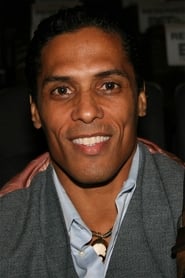
The main character in The Last Dragon is Leroy Green, also known as 'Bruce Leroy.' His quest is to achieve the highest level of martial arts mastery, symbolized by finding the 'Glow,' which represents true inner strength and enlightenment.
What role does Laura Charles play in Leroy's journey?
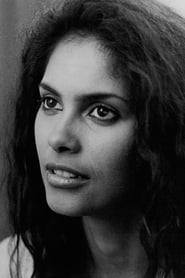
Laura Charles, played by Vanity, is a television host and Leroy's love interest. She becomes a source of inspiration for Leroy, motivating him to pursue his quest for the Glow while also being targeted by the antagonist, Eddie Arkadian, who wants to use her to promote his music.
Who is Sho'Nuff and what is his significance in the story?
Sho'Nuff, known as the 'Shogun of Harlem,' is the main antagonist who challenges Leroy. He embodies the darker side of martial arts and seeks to prove his superiority over Leroy, ultimately serving as a catalyst for Leroy's growth and the realization of his potential.
What is the significance of the 'Glow' in Leroy's character development?
The 'Glow' is a manifestation of Leroy's inner strength and mastery of martial arts. It signifies his journey from self-doubt to self-actualization, as he learns that true power comes from within and is not just about physical prowess.
How does Leroy's relationship with his family influence his character?
Leroy's relationship with his family, particularly his supportive but concerned parents, highlights his struggle between traditional values and his desire to pursue martial arts. Their expectations create internal conflict for Leroy, pushing him to prove himself while also seeking their approval.
Is this family friendly?
"The Last Dragon," produced in 1985, is generally considered a family-friendly film, but it does contain some elements that may be objectionable or upsetting for children or sensitive viewers. Here are a few aspects to consider:
-
Violence: The film features martial arts combat, including fight scenes that may be intense for younger viewers. While the violence is stylized and not overly graphic, there are moments of physical confrontation that could be alarming.
-
Menacing Characters: The antagonist, Sho'nuff, is portrayed as a threatening figure with a flamboyant and aggressive demeanor. His confrontational nature and the way he intimidates others may be unsettling for some children.
-
Mild Language: There are instances of mild profanity and some suggestive language that may not be suitable for very young audiences.
-
Romantic Elements: The film includes romantic subplots that involve flirtation and some suggestive situations, which may not be appropriate for all children.
-
Cultural Stereotypes: Some viewers may find certain portrayals of characters and cultural elements to be stereotypical or outdated, which could be a point of concern for sensitive audiences.
Overall, while "The Last Dragon" is an entertaining film with positive themes of self-discovery and empowerment, parents may want to consider these elements when deciding if it is suitable for their children.







