
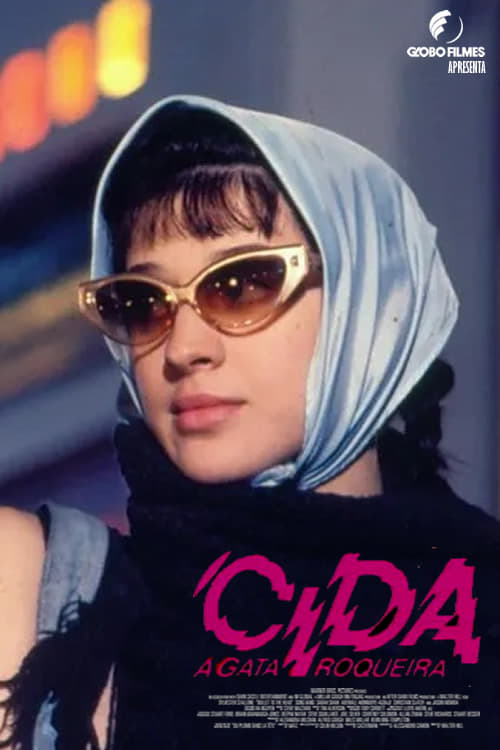











Popular
What motivates Cida to pursue a career in rock music?
How does Cida's relationship with her family evolve throughout the film?
What challenges does Cida face in the music industry?
Who are the key supporting characters in Cida's journey, and how do they influence her?
What role does Cida's romantic interest play in her story?
Should I watch it?
Ask Your Own Question

What is the plot?
Sorry, we aren't able to watch and write up a full detailed plot yet. Check back in a few days.
More Movies Like This
Browse All Movies →





What is the ending?
In the ending of "Cida, a Gata Roqueira," Cida faces a pivotal moment in her life as she must choose between her passion for rock music and the expectations placed upon her by her family and society. Ultimately, she embraces her true self, leading to a confrontation with her father, who has been a significant source of conflict throughout the film. The story concludes with Cida performing on stage, fully embodying her identity as a rock musician, while her father begins to understand and accept her choices.
Now, let's delve into the ending in a more detailed narrative fashion:
As the film approaches its climax, Cida stands backstage, her heart racing with a mix of excitement and anxiety. The vibrant lights of the stage flicker, casting a warm glow that contrasts with the cool shadows of the backstage area. She can hear the muffled sounds of the audience, their cheers and applause echoing in her ears, fueling her determination. This moment is not just about music; it is a declaration of her identity, a culmination of her struggles against societal norms and familial expectations.
Cida's father, who has been a staunch opponent of her rock music aspirations, arrives at the venue, his face a mask of disapproval. He has always envisioned a different path for her, one that aligns with traditional values and expectations. As he watches her prepare to take the stage, a storm of emotions brews within him--anger, disappointment, but also a flicker of concern for his daughter's future.
The scene shifts to the stage, where Cida steps into the spotlight, her presence commanding and electric. The audience erupts in applause, and for a moment, she feels invincible. She grips the microphone tightly, her fingers trembling slightly, not from fear but from the weight of the moment. As she begins to sing, her voice resonates with raw emotion, each note a reflection of her journey, her struggles, and her triumphs. The lyrics speak of freedom, rebellion, and the pursuit of dreams, themes that resonate deeply with the crowd.
Meanwhile, her father stands at the edge of the crowd, torn between his ingrained beliefs and the undeniable talent of his daughter. As he watches her perform, he begins to see her not just as his daughter but as an individual with her own dreams and aspirations. The music washes over him, and for the first time, he feels a connection to her passion. The realization dawns on him that Cida's happiness is paramount, even if it diverges from his expectations.
As the performance reaches its crescendo, Cida pours her heart into the final song, her voice soaring above the cheers of the audience. The energy in the room is palpable, and she feels a sense of liberation, shedding the weight of her father's expectations. In this moment, she is not just Cida, the daughter; she is Cida, the rock star, unapologetically herself.
The performance concludes with thunderous applause, and Cida stands center stage, breathless and exhilarated. She scans the crowd, her eyes landing on her father, who is now clapping, a reluctant smile breaking through his stern demeanor. This moment signifies a turning point for both of them. Cida's victory is not just in her performance but in her ability to assert her identity and pursue her passion.
As the lights dim and the crowd begins to disperse, Cida rushes off stage, her heart still racing. She finds her father waiting for her, a mixture of pride and uncertainty in his eyes. They share a moment of silence, the air thick with unspoken words. Finally, he steps forward, embracing her tightly. "I may not understand it all, but I see you, Cida. I see who you are," he admits, his voice softening.
Cida's face lights up with joy, tears of relief welling in her eyes. This acceptance is the resolution she has longed for, a bridge built between her dreams and her father's love. The film closes with Cida and her father walking out of the venue together, side by side, a new understanding forged between them. Cida's journey has not only been about music but about finding her place in the world and the importance of familial love and acceptance.
In the end, Cida embraces her identity as a rock musician, her father begins to accept her choices, and the film leaves the audience with a sense of hope and the power of self-acceptance.
Is there a post-credit scene?
The movie "Cida, a Gata Roqueira," produced in 1986, does not feature a post-credit scene. The film concludes its narrative without any additional scenes or content after the credits roll. The story wraps up with Cida's journey and her experiences in the rock music scene, leaving the audience with a sense of closure regarding her character and the challenges she faced throughout the film.
What motivates Cida to pursue a career in rock music?
Cida, a young and passionate woman, is driven by her love for rock music and her desire to express herself creatively. She feels constrained by societal expectations and seeks to break free from the mundane life that her family envisions for her. Her determination to prove herself in a male-dominated industry fuels her ambition.
How does Cida's relationship with her family evolve throughout the film?
Initially, Cida's family disapproves of her rock music aspirations, viewing them as a distraction from her responsibilities. As the story progresses, her family's understanding begins to shift, especially as they witness her dedication and talent. This evolution highlights the tension between familial expectations and personal dreams.
What challenges does Cida face in the music industry?
Cida encounters numerous obstacles, including sexism, financial struggles, and the pressure to conform to commercial standards. She faces rejection from record labels and skepticism from male counterparts, which tests her resilience and commitment to her artistic vision.
Who are the key supporting characters in Cida's journey, and how do they influence her?
Key supporting characters include her best friend, who provides emotional support and encouragement, and a mentor figure in the music industry who recognizes her talent. These relationships are crucial as they offer Cida guidance, friendship, and a sense of belonging, helping her navigate the complexities of her career.
What role does Cida's romantic interest play in her story?
Cida's romantic interest serves as both a source of inspiration and conflict. Their relationship adds emotional depth to her journey, as it reflects her struggles to balance love and ambition. This dynamic challenges her to confront her priorities and ultimately influences her decisions regarding her career.
Is this family friendly?
"Cida, a Gata Roqueira," produced in 1986, is a Brazilian musical drama that follows the journey of a young woman named Cida, who aspires to be a rock singer. While the film is centered around themes of ambition, love, and the struggles of pursuing one's dreams, it does contain elements that may not be suitable for all audiences, particularly children or sensitive viewers.
-
Mature Themes: The film explores themes of rebellion and the challenges of youth, which may include references to societal pressures and personal struggles that could be complex for younger viewers to understand.
-
Romantic Relationships: There are scenes depicting romantic relationships that may involve emotional turmoil, jealousy, or heartbreak, which could be upsetting for sensitive viewers.
-
Conflict and Tension: The narrative includes moments of conflict, both interpersonal and societal, that may evoke feelings of distress or discomfort.
-
Substance Use: There are instances that may imply or depict the use of alcohol or other substances, which could be concerning for younger audiences.
-
Emotional Struggles: Cida faces various emotional challenges throughout her journey, including feelings of inadequacy and the pressure to succeed, which may resonate deeply and evoke strong emotions.
Overall, while "Cida, a Gata Roqueira" is a story of aspiration and self-discovery, its exploration of more mature themes and emotional complexities may not be entirely family-friendly. Parents may want to consider these aspects before viewing with children or sensitive individuals.








