






Popular
What role does the setting play in the development of the story?
How does the character of Tommy evolve throughout the film?
What are some of the key pranks played by the main characters in Old Times Pranks?
What is the significance of the friendship between the characters Lisa and Mark?
How do the characters react to the consequences of their pranks?
Should I watch it?
Ask Your Own Question

What is the plot?
The story begins on a bright spring-break weekend as a group of college friends travels by ferry to Muffy St. John's isolated island mansion in the Great Northwest, where April Fool's Day is about to turn their reunion into a nightmare. Harvey Edison, Nikki Brashares, Rob Ferris, Skip St. John, Nan Youngblood, Chaz Vyshinski, Kit Graham, and Arch Cummings arrive expecting booze, flirting, and jokes, all of them catching the casual, wealthy ease of the place as Muffy welcomes them into her family home with the air of a hostess who has everything under control. The island is cut off from the mainland, and the mansion sits above the water like a polished trap, elegant and silent, with long hallways, huge windows, and rooms that seem to swallow sound. The weekend is supposed to be playful from the start: pranks, dares, and party tricks are part of the social fabric among the group, and the whole gathering already feels like it is leaning toward mischief.
That tone shifts almost immediately on the ferry ride over, when the crewman Buck suffers a gruesome-looking accident that appears serious enough to unsettle the guests before they even step onto the island. The incident helps establish the film's first major lie: that the weekend may have already crossed into deadly territory. The ferry becomes the first threshold, the moment the outside world slips away and the friends are effectively stranded. Once the boat is gone, the mansion and the shoreline become the only world that matters. The group laughs off the shock, but the image of Buck's mangled face lingers in the air like a bad omen. Everyone continues inward anyway, drawn to the promise of celebration and the arrogance that comes with believing a joke is still just a joke.
Inside the mansion, Muffy St. John plays the gracious host, but she is also visibly controlling the atmosphere. She wants the weekend to feel wild and memorable, yet there is something methodical about how she watches everyone and how carefully the house has been arranged. There is an undercurrent of performance to everything she does. Her friends settle in, trade banter, flirt, and tease one another, and the film begins threading in the specific dynamics among them: old romances, jealousies, and the petty cruelties that pass for friendship in a close college clique. The island isolation deepens the mood because every sound now seems amplified by distance. Wind hisses at the windows. Floorboards creak. Doors close with ominous finality. It is the kind of setting where every laugh sounds a little too loud and every silence sounds staged.
As the evening progresses, the weekend starts producing the kinds of incidents that make the guests think they are being singled out by some unseen killer. Messages from their past begin surfacing, as if the house itself knows intimate details about each of them. The effect is deeply unsettling. The friends are forced to confront private embarrassments and hidden shame, and the film turns psychological as much as it turns slasher-like. Each new scare feels more personal than the last. Instead of random terror, the attacks seem tailored. That makes the group suspicious of one another. They begin to look at the doors, at the hallways, at each other, and ask who is behind this. The mood tightens from playful to hostile, then from hostile to frightened. The house is no longer a place for fun. It becomes a machine for generating dread.
The first wave of apparent disappearances pushes the whole gathering into panic. People vanish into rooms and corridors only to reappear under worse circumstances. The film carefully keeps the audience inside the same uncertainty as the characters, never allowing a stable explanation. One moment a joke seems to be unfolding; the next, someone appears to be dead or seriously wounded. The friends rush through the mansion in small, frightened clusters. They call out names. They accuse each other. They demand answers from Muffy, but she insists there is an explanation for everything. Her calmness is almost more disturbing than the scares themselves. It suggests planning, or guilt, or both. The mansion's interiors--upstairs rooms, hallways, bathrooms, unused chambers--become a maze of suspicion where every corner promises another shock.
As the night continues, the false body count grows. One by one, the guests are "killed" or removed from the action in increasingly theatrical ways, and the film uses these moments to build the illusion that a real murderer is working through the house. The violence feels ugly and immediate even when it later turns out to be false. Fear spreads among the group because nobody can tell what is genuine and what is part of a setup. The emotional stakes become more important than the mechanics. These are friends who know enough about one another to hurt each other deeply, and the weekend keeps turning those old relationships into weapons. Someone seems to know how to exploit each person's fears. Someone seems to be directing the whole event like a cruel private joke. Even the title starts to feel like a warning rather than a bit of holiday whimsy.
As tension climbs, the story's structure becomes increasingly deceptive. The audience is led to believe that the guests are being picked off in a genuine slasher scenario, but the film is constantly planting clues that this is not the whole truth. The scares have a quality of construction. The "deaths" are too performative, too elaborate, too insistently symbolic. Still, because the film keeps escalating the apparent danger, those clues register more as cruel irony than as reassurance. The friends continue to break apart under pressure. Arguments erupt. Alliances shift. Old grudges flare up in the middle of panic, and every accusation seems plausible because everyone is frightened enough to become suspicious.
The critical revelation arrives in the mansion's interior, where the group finally stumbles into the truth behind the weekend. Instead of a massacre, they find a staged prank apparatus: the murders have all been fake, and the supposed victims are alive. The story's central deception is exposed as Muffy St. John's elaborate April Fool's prank. She has been preparing a trial run for a future murder-mystery or "whodunit" weekend she wants to host at the family estate, and she has orchestrated the entire experience as a practical joke to see how convincing and atmospheric it can be. Each person who was seemingly "killed" has actually been brought into the joke at some point, and the elaborate shocks were all part of a larger performance designed to terrify them and then reveal the truth at the last possible moment. The emotional release is immediate and chaotic. Relief crashes into embarrassment. Anger follows. The guests realize they have been manipulated, humiliated, and psychologically tortured for sport.
The final stretch of the film turns from terror to a strange, almost euphoric release, as the surviving friends react to the revelation. The tension drains in one rush, replaced by laughter, disbelief, and the awkward aftershock of having been made fools of. The group celebrates because no one is actually dead, and the movie briefly turns into a party again, though now the party is charged with the weird energy of people recovering from a mass deception. Muffy's prank is outrageous, but it has succeeded exactly where it wanted to: it has produced a weekend none of them will ever forget. For a moment, the island mansion is transformed from a site of dread into a site of shared relief, as if the whole ordeal were simply an especially mean-spirited rite of passage.
Then the story delivers its most famous final sting. After the "all clear" celebration, the film returns to Muffy's room in a quieter, more intimate scene that mirrors the earlier sense of hidden menace. Nan Youngblood, who has been in on the prank and knows Muffy from acting class, leaves a wrapped present in Muffy's room. The gift is a jack-in-the-box, a visual rhyme with the film's playful theme of surprise and the earlier birthday-style pranking imagery. Muffy, tired but amused, opens it slowly, savoring the suspense. The handle turns. The little figure springs up. In that instant, Nan suddenly appears and seems to slash Muffy's throat with a razor, and for a breath the movie appears to be reasserting itself as a real slasher after all. The image is shocking and cruel, the perfect inversion of the earlier revelation. But it is immediately revealed to be another prank. The razor is fake. The blood is fake. Muffy is not actually dying. Nan laughs, and the film closes on the same note of mischievous deception with which it began. The final effect is not horror but a smug, playful "April fool's!" ending that makes the audience feel, one last time, that the movie itself has pulled a prank on them.
The ending leaves everyone alive, with the entire apparent body count undone by the revelation that the weekend has been a carefully staged rehearsal for Muffy's future plans. The island house remains standing, the friends remain intact, and the final scene seals the film's identity as a twist-prank story rather than a conventional slasher. What looked like a murderous weekend has been engineered to become a joke with a long fuse, and the last image lands as a final wink, confirming that the greatest trick of all is the movie's own willingness to make the audience believe in death when it has been promising misdirection all along.
More Movies Like This
Browse All Movies →

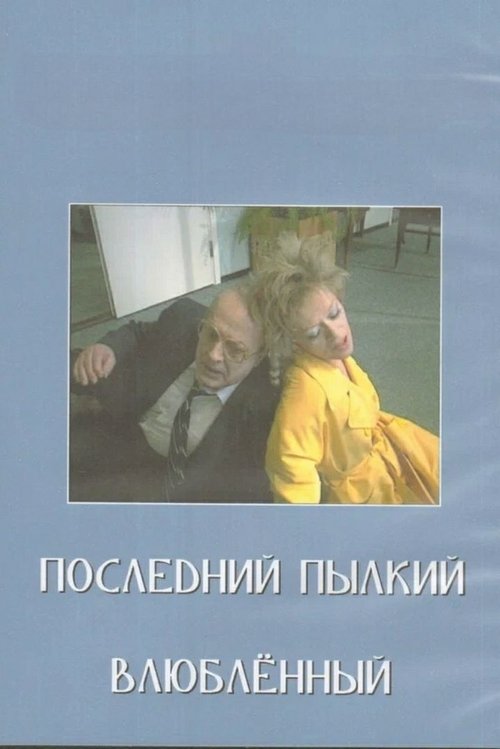




What is the ending?
In the ending of "Old Times Pranks," the main characters confront the consequences of their actions throughout the film. The pranks escalate, leading to a climactic confrontation that forces them to reevaluate their friendships and the impact of their behavior. Ultimately, they come to a resolution that emphasizes the importance of honesty and the value of true friendship.
As the final act unfolds, the tension builds among the group. The scene opens in a dimly lit room where the characters gather, each carrying the weight of their past pranks. The atmosphere is thick with unspoken words and unresolved feelings. The protagonist, feeling the strain of their antics, takes a deep breath and addresses the group. They express regret for the hurt caused by their pranks, revealing a vulnerability that had been masked by humor and bravado.
One character, who had been the target of many pranks, stands up, visibly shaken. They confront the group about the emotional toll the pranks have taken on them. The room falls silent as the weight of their words sinks in. The protagonist listens intently, their expression shifting from defensiveness to understanding. This moment of honesty acts as a catalyst for change, prompting others to share their feelings and experiences.
As the characters begin to open up, the tension dissipates, replaced by a sense of camaraderie. They acknowledge the fun they had but also recognize the line that was crossed. The protagonist suggests a truce, proposing that they channel their energy into positive activities rather than destructive pranks. The group agrees, and they collectively decide to plan a community event to make amends for their past behavior.
In the final scene, the characters are seen working together, laughing and enjoying each other's company as they prepare for the event. The camera pans out, capturing the transformation of their relationships. The film closes with a sense of hope and renewal, highlighting the importance of friendship, honesty, and the ability to grow from one's mistakes.
The fate of each main character is intertwined with this resolution. The protagonist emerges as a leader, having learned the value of empathy. The prankster, who often acted without thinking, finds a new purpose in bringing joy to others rather than at their expense. The target of the pranks, once hurt and isolated, feels a sense of belonging and acceptance as they are embraced by the group. Each character leaves the story with a renewed sense of self and a commitment to fostering genuine connections, marking a significant shift from their earlier behavior.
Is there a post-credit scene?
"Old Times Pranks," produced in 1986, does not feature a post-credit scene. The film concludes its narrative without any additional scenes after the credits roll. The story wraps up with a sense of closure, focusing on the main characters and their experiences throughout the film, leaving no lingering plot threads that would necessitate a post-credit moment. The ending emphasizes the themes of friendship and the nostalgia of childhood pranks, providing a satisfying conclusion to the audience.
What role does the setting play in the development of the story?
The setting of a small, nostalgic town in the 1980s serves as a vibrant backdrop for the antics of the characters in 'Old Times Pranks'. The familiar locations, such as the local diner, the park, and the old school, evoke a sense of nostalgia and community. Each prank is intricately tied to these locations, enhancing the emotional stakes as the characters navigate their childhood memories. The town itself becomes a character, reflecting the innocence and simplicity of youth, while also highlighting the consequences of their actions within a close-knit community.
How does the character of Tommy evolve throughout the film?
Tommy, initially portrayed as the ringleader of the pranks, begins the film with a carefree and mischievous attitude. However, as the story progresses, he faces the consequences of his actions, particularly when a prank goes too far and affects a close friend. This leads to a moment of introspection where Tommy grapples with guilt and the realization that their pranks, while meant to be fun, can have unintended emotional impacts. By the end of the film, he emerges more mature, understanding the importance of friendship over rivalry.
What are some of the key pranks played by the main characters in Old Times Pranks?
In 'Old Times Pranks', the main characters, a group of childhood friends, engage in a series of elaborate pranks that reflect their playful yet competitive nature. One notable prank involves them rigging a local carnival game to ensure that one of their friends wins a giant stuffed animal, only to have it backfire when the game operator catches on. Another memorable moment is when they set up a fake ghost in an abandoned house, which leads to a hilarious chase scene as unsuspecting townsfolk flee in terror.
What is the significance of the friendship between the characters Lisa and Mark?
Lisa and Mark's friendship is central to the emotional core of 'Old Times Pranks'. Initially, they are portrayed as the supportive friends who encourage the pranks, but as the story unfolds, their differing views on the pranks create tension. Lisa becomes increasingly uncomfortable with the pranks' potential to hurt others, while Mark revels in the chaos. This conflict leads to a pivotal moment where Lisa confronts Mark, forcing both characters to reevaluate their values and the meaning of true friendship. Their reconciliation at the end symbolizes growth and understanding.
How do the characters react to the consequences of their pranks?
The characters in 'Old Times Pranks' experience a range of emotions as they face the fallout from their actions. Initially, there is laughter and camaraderie as they execute their pranks, but as the consequences unfold--such as hurt feelings and damaged relationships--guilt and regret set in. For instance, after a prank leads to a public embarrassment for one of their friends, the group is forced to confront the reality of their actions. This moment of reckoning brings about a shift in their dynamics, leading to heartfelt apologies and a deeper understanding of the impact of their playful antics.
Is this family friendly?
"Old Times Pranks," produced in 1986, is a family-friendly film that primarily focuses on humor and lighthearted mischief. However, there are a few scenes that might be considered potentially objectionable or upsetting for children or sensitive viewers:
-
Mild Pranks: The film features various pranks that, while intended to be humorous, may involve mild physical comedy that could be perceived as mean-spirited or upsetting to some viewers, especially younger children.
-
Emotional Conflicts: There are moments of tension between characters that may evoke feelings of discomfort or sadness, particularly when friendships are tested through misunderstandings or competitive antics.
-
Slightly Scary Situations: Some pranks may lead to situations that could be mildly frightening, such as unexpected scares or surprises that might startle younger viewers.
-
Silly Consequences: The aftermath of certain pranks can lead to chaotic situations that might be overwhelming or confusing for sensitive viewers, though they are portrayed in a comedic light.
Overall, while the film is designed to entertain families, these elements may require parental guidance for younger audiences.









