
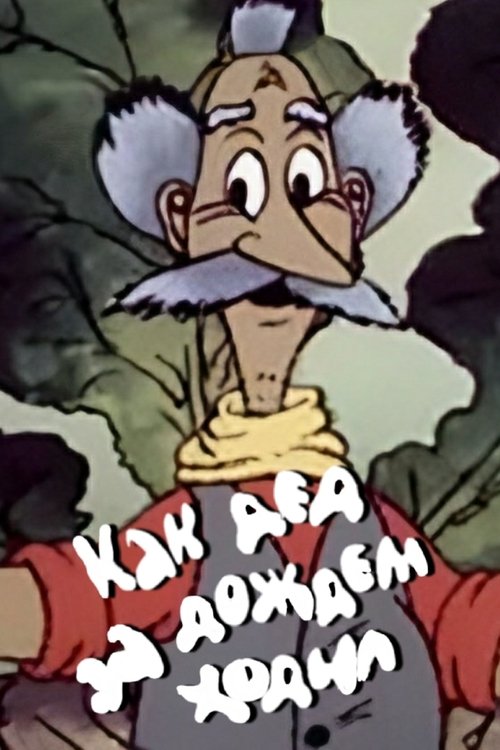







Popular
What motivates the old man to go out in search of rain?
How does the old man prepare for his journey to find rain?
What challenges does the old man face during his quest for rain?
Who are the key characters the old man meets along the way?
What symbolic significance does the rain hold for the old man and his village?
Should I watch it?
Ask Your Own Question

What is the plot?
Sorry, we aren't able to watch and write up a full detailed plot yet. Check back in a few days.








What is the ending?
In the ending of "How the Old Man Went for the Rain," the old man finally reaches the rain after a long and arduous journey. He finds solace in the rain, which symbolizes renewal and hope. The villagers, who had been skeptical of his quest, witness the transformation that the rain brings to the land. The old man's determination and belief in the power of nature ultimately lead to a change in the community's perspective.
As the film progresses towards its conclusion, the old man, weary yet resolute, continues his journey through the parched landscape. The sun beats down mercilessly, and the dust swirls around him, a testament to the drought that has gripped the land. His face, lined with age and experience, reflects a deep-seated hope that drives him forward. He recalls the stories of his youth, where rain was abundant, and the earth thrived. This memory fuels his determination to seek out the rain, not just for himself but for the entire village that has suffered from the drought.
Scene by scene, the old man encounters various obstacles. He navigates through barren fields, where the crops have withered and the villagers have lost faith. Their skepticism weighs heavily on him, yet he presses on, driven by an inner conviction that the rain is not just a physical phenomenon but a symbol of life and renewal. As he trudges through the landscape, he meets a few villagers who express doubt and ridicule, but he remains steadfast, sharing his vision of a future where the rain returns.
As he finally reaches the edge of a lush, green area, the sky darkens, and the first drops of rain begin to fall. The old man stands in awe, arms outstretched, as the rain pours down around him. This moment is transformative; the rain revitalizes the earth, and the old man feels a profound connection to nature. The villagers, who had once dismissed his quest, now gather around him, witnessing the miracle of the rain. Their expressions shift from skepticism to wonder as they see the land come alive again.
In the final scenes, the old man, now soaked and rejuvenated, returns to the village. The rain has not only nourished the earth but has also rekindled hope within the hearts of the villagers. They begin to understand the importance of belief and perseverance, inspired by the old man's unwavering spirit. The film closes with a sense of community and renewal, as the villagers come together to celebrate the return of the rain, acknowledging the old man's journey and the lessons learned from his determination.
The fate of the old man is one of fulfillment; he has achieved his goal and brought life back to the land. The villagers, once doubtful, now embrace the change and the hope that the rain symbolizes. The film ends on a note of unity and the power of belief, illustrating how one person's conviction can inspire an entire community to embrace change and renewal.
Is there a post-credit scene?
The movie "How the Old Man Went for the Rain," produced in 1986, does not feature a post-credit scene. The film concludes its narrative without any additional scenes after the credits roll. The story wraps up with a poignant resolution, focusing on the themes of perseverance and the connection between nature and humanity, leaving the audience with a sense of closure. The absence of a post-credit scene aligns with the film's overall tone and message, emphasizing the journey of the old man and his relationship with the rain rather than setting up for a sequel or additional content.
What motivates the old man to go out in search of rain?
The old man's motivation to seek out rain stems from his deep connection to nature and his desire to fulfill a promise he made to his village. He believes that finding rain will not only bring life back to the parched land but also restore hope and vitality to his community.
How does the old man prepare for his journey to find rain?
Before embarking on his journey, the old man meticulously gathers essential items, including a sturdy walking stick, a small satchel of food, and a weathered map that marks the locations of potential rain. His preparation reflects his determination and the weight of responsibility he feels towards his village.
What challenges does the old man face during his quest for rain?
Throughout his journey, the old man encounters various challenges, including treacherous terrain, harsh weather conditions, and moments of self-doubt. He faces physical exhaustion and emotional turmoil as he grapples with the fear of failing his community, which adds depth to his character.
Who are the key characters the old man meets along the way?
During his quest, the old man meets several key characters, including a wise old woman who offers him guidance and encouragement, a skeptical traveler who doubts his mission, and a group of children who remind him of the innocence and hope he is fighting for. Each interaction shapes his resolve and perspective.
What symbolic significance does the rain hold for the old man and his village?
For the old man and his village, rain symbolizes renewal, life, and the fulfillment of promises. It represents the hope for a better future and the restoration of their land. The old man's quest for rain becomes a metaphor for his commitment to his community and the lengths he will go to ensure their survival.
Is this family friendly?
The movie "How the Old Man Went for the Rain," produced in 1986, is generally considered family-friendly, but it does contain some elements that may be sensitive for children or more sensitive viewers.
-
Themes of Loss and Loneliness: The film explores deep emotional themes, including the old man's feelings of isolation and longing, which may be difficult for younger audiences to fully understand or process.
-
Depictions of Struggle: The old man's journey is fraught with challenges and hardships, which may evoke feelings of sadness or discomfort.
-
Melancholic Atmosphere: The overall tone of the film is reflective and somber, which might be unsettling for some viewers, particularly children who may prefer lighter narratives.
-
Imagery of Nature's Harshness: There are scenes that depict the harshness of nature, which could be interpreted as intimidating or overwhelming.
While these aspects are not overtly objectionable, they do contribute to a more serious narrative that may require parental guidance for younger viewers.





