





Popular
Should I watch it?
Ask Your Own Question

What is the plot?
Sorry, we aren't able to watch and write up a full detailed plot yet. Check back in a few days.



What is the ending?
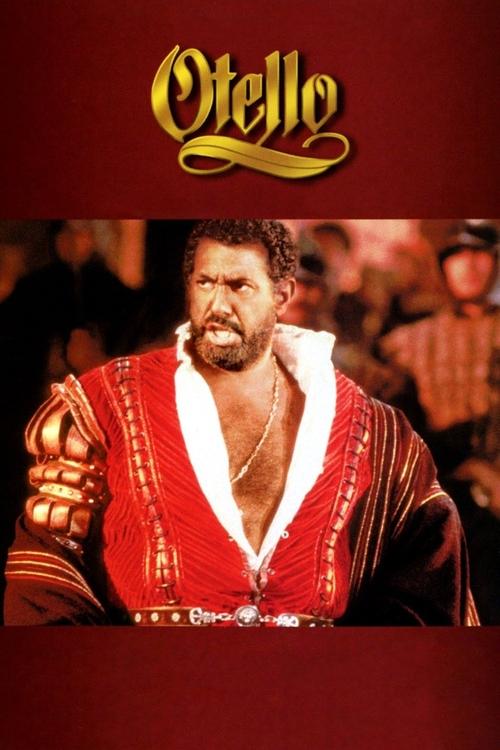
In the ending of the 1986 film "Otello," the tragic culmination of jealousy and betrayal unfolds. Otello, consumed by rage and despair over what he believes to be Desdemona's infidelity, confronts her. In a fit of anguish, he kills her. Realizing too late that he has been deceived by Iago's manipulations, Otello takes his own life. Iago is arrested, and the film closes with the devastation left in the wake of their tragic fates.
Now, let's delve into the ending in a more detailed narrative fashion.
As the final act unfolds, the atmosphere is thick with tension and despair. The scene opens in Desdemona's chamber, where she lies in bed, her innocence radiating in stark contrast to the turmoil brewing outside. Otello enters, his face a mask of anguish and fury, driven by the poisonous lies planted in his mind by Iago. The dim light casts shadows across the room, emphasizing the emotional chasm between the couple.
Otello, trembling with rage, accuses Desdemona of infidelity. His voice, once filled with love, now drips with venomous doubt. Desdemona, bewildered and terrified, pleads for her life, insisting on her loyalty and love for him. Her eyes, wide with fear, reflect the betrayal she feels not only from Otello but from the world around her. She reaches out to him, desperate to bridge the growing divide, but Otello is beyond reason, his heart consumed by jealousy.
In a moment of tragic misunderstanding, Otello, believing he is avenging his honor, draws a dagger. The camera captures the raw emotion on his face--conflicted yet resolute. Desdemona's cries echo in the chamber as she realizes the depth of his despair. She begs him to listen, to see the truth, but Otello, blinded by Iago's deceit, strikes her down. The act is swift and brutal, a culmination of all the pain and manipulation that has led them to this moment.
As Desdemona falls, the light in her eyes dims, and the room is filled with an eerie silence, broken only by Otello's anguished cries. He kneels beside her, the weight of his actions crashing down upon him. In that instant, clarity pierces through the fog of jealousy. He understands that he has been a pawn in Iago's cruel game. The realization is devastating; he has lost the love of his life, and the cost of his misplaced trust is unbearable.
In a final act of despair, Otello takes the dagger and plunges it into his own heart. The camera lingers on his face, capturing the moment of tragic acceptance as he falls beside Desdemona, their lives intertwined in death as they could not be in life. The room, once filled with love, is now a scene of utter devastation.
Meanwhile, Iago's fate is sealed as he is apprehended by the guards. His expression is one of cold satisfaction, a stark contrast to the chaos he has wrought. He is taken away, his manipulations having led to the destruction of two noble souls. The film closes with a haunting image of the two lovers, lifeless on the floor, a poignant reminder of the destructive power of jealousy and betrayal.
In the end, Otello and Desdemona are united in death, their tragic love story a testament to the consequences of misplaced trust and the insidious nature of deceit. Iago, though alive, faces the consequences of his actions, leaving the audience to ponder the depths of human emotion and the fragility of love.
Is there a post-credit scene?
The 1986 film "Otello," directed by Franco Zeffirelli, does not contain a post-credit scene. The film concludes with the tragic climax of the story, where Otello, consumed by jealousy and despair, takes his own life after realizing the truth about Desdemona's innocence. The emotional weight of the final moments is profound, leaving the audience to reflect on the themes of love, betrayal, and the consequences of manipulation. The film ends on a somber note, with no additional scenes or content following the credits.
How does Iago manipulate Othello into believing Desdemona is unfaithful?
Iago employs a series of cunning tactics to manipulate Othello. He uses insinuation and half-truths, suggesting that Desdemona's relationship with Cassio is more than just friendship. Iago strategically places the handkerchief, a token of love from Othello to Desdemona, in Cassio's possession, further convincing Othello of Desdemona's infidelity. This manipulation is calculated and premeditated, showcasing Iago's deep-seated malice and cunning.
What motivates Othello's jealousy throughout the film?
Othello's jealousy is primarily fueled by Iago's manipulations and deceit. Iago, feeling slighted by Othello for promoting Cassio over him, plants seeds of doubt in Othello's mind regarding Desdemona's fidelity. Othello's insecurities as a Moor in Venetian society exacerbate his vulnerability to Iago's lies, leading him to question Desdemona's loyalty and ultimately driving him to a tragic downfall.
What role does the handkerchief play in the plot of Otello?
The handkerchief is a pivotal symbol in the film, representing Othello's love for Desdemona and serving as a tangible piece of evidence in Iago's scheme. When Iago plants the handkerchief in Cassio's possession, it becomes the proof Othello needs to believe in Desdemona's betrayal. The handkerchief's loss and misplacement trigger Othello's descent into jealousy and rage, ultimately leading to tragic consequences.
How does Desdemona react to Othello's accusations?
Desdemona is initially bewildered and heartbroken by Othello's accusations of infidelity. She remains steadfast in her love for him, pleading her innocence and trying to understand his sudden change in demeanor. Her emotional turmoil is palpable as she grapples with Othello's mistrust, showcasing her vulnerability and the depth of her love, which tragically goes unrecognized.
What is Iago's ultimate goal in his manipulation of Othello?
Iago's ultimate goal is to destroy Othello out of jealousy and resentment for being passed over for promotion. He seeks revenge not only for his own perceived wrongs but also to demonstrate his cunning and superiority. Iago's manipulation is driven by a deep-seated hatred and a desire for chaos, as he orchestrates Othello's downfall while maintaining a facade of loyalty and friendship.
Is this family friendly?
The 1986 film "Otello," directed by Franco Zeffirelli, is an adaptation of Shakespeare's tragedy "Othello." While it is a visually stunning and artistically rich film, it contains several elements that may not be suitable for children or sensitive viewers.
-
Violence and Murder: The film includes scenes of intense emotional conflict that lead to violence, including a pivotal murder that is both shocking and tragic.
-
Jealousy and Betrayal: The central themes revolve around jealousy, manipulation, and betrayal, which may be difficult for younger audiences to understand or process.
-
Emotional Turmoil: Characters experience profound emotional distress, including despair, rage, and heartbreak, which can be heavy and unsettling.
-
Death and Loss: The film deals with themes of death and the consequences of actions, which may be upsetting for sensitive viewers.
-
Intense Relationships: The dynamics between characters can be complex and fraught with tension, showcasing toxic relationships that may not be appropriate for younger viewers.
Overall, while "Otello" is a powerful cinematic experience, its mature themes and emotional intensity may not be suitable for all audiences, particularly children.









