



Popular
What artistic techniques does Len Lye use in his films as depicted in Doodlin'?
How does the film portray Len Lye's personality and creative process?
What role does music play in Doodlin' and how does it interact with the visuals?
Are there any specific themes or motifs that recur throughout Len Lye's work as shown in Doodlin'?
How does Doodlin' illustrate the impact of Len Lye's work on the animation industry?
Should I watch it?
Ask Your Own Question

What is the plot?
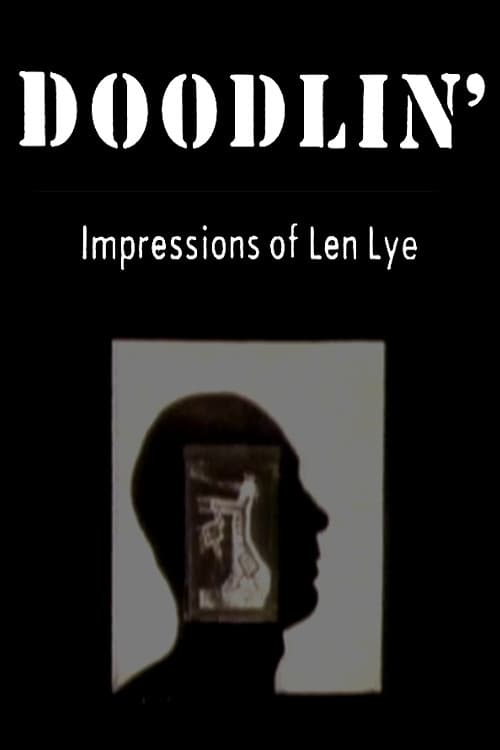
Doodlin': Impressions of Len Lye opens not with a conventional plot hook but with the life of Len Lye unfurling as a visual memory, starting in childhood with the image of a young boy staring at the sun. That first impression sets the tone for everything that follows: this is a documentary that treats perception itself as destiny, tracing how Len Lye grows into the legendary filmmaker and kinetic artist whose entire life seems driven by motion, color, rhythm, and the urge to draw directly from sensation rather than rules.
The film moves forward in a loose but deliberate chronological flow, and the young Len's fascination with the sun becomes the first sign of the artistic temperament that will define him. The documentary presents him as someone who does not merely look at the world but absorbs it as energy. Even in these early passages, his later work feels prefigured: the brightness of sunlight, the physicality of movement, and the idea that art can be made from immediate experience all become part of his character before he ever becomes famous.
From there, the story widens into travel and self-invention. Lye's journeys around the Pacific are shown as crucial to his development, not as tourist adventure but as the formation of a worldview. The documentary connects those travels to the way he thinks about art, suggesting that his sense of form and spirit is shaped by places beyond the standard European art world. The Pacific becomes more than geography; it is the space where Lye's imagination expands, where his eye learns to move beyond inherited conventions and toward something more primal and instinctive.
One of the most revealing stretches of the documentary centers on Samoa, where Lye spends a couple of years and lives in a lighthouse. That setting gives the film a vivid image of isolation and concentration: Lye in a lighthouse, apart from the ordinary flow of life, working through ideas about art with unusual intensity. In Samoa, he turns toward what the review calls "old brain" tribal art, and the documentary emphasizes his desire to reject Western artistic styles in favor of a more subconscious, spontaneous kind of creation. This is one of the film's major conceptual revelations: Lye is not portrayed as a man simply collecting influences, but as someone actively trying to strip away convention and return to a more instinctive source of image-making.
That artistic rebellion is one of the documentary's strongest through-lines. Lye's "doodle-type images," as he describes them in a quoted remark used in later screenings of his work, are tied to the idea of fishing for something that feels "at most one with my self." The film's title fits that philosophy perfectly, because it frames doodling not as idle scribble but as a direct route to identity and creative truth. In this sense, the documentary's tension is not built around external conflict, death, or mystery, but around the pressure of an artist trying to discover how to make images that belong only to him.
As the narrative continues, the documentary shifts into another major phase of Lye's life: New York. This section signals a change in both setting and career, and it gives the film a broader sense of movement across the modern world. New York stands in contrast to the Pacific and Samoa, bringing Lye into a more urban, international environment, but the documentary keeps returning to the same central theme--his exuberance, his originality, and the way his ideas continue to erupt through his art. Rather than presenting New York as a final triumph or a crisis point, the film treats it as another location in a lifelong artistic journey, another place where Lye's restless imagination seeks form.
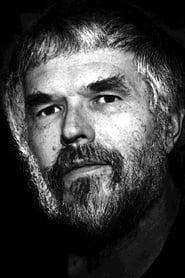
The documentary also deepens its portrait through the people around him. It includes interviews with his second wife, Ann, and with biographer Roger Horrocks, whose reflections help anchor the film in memory and testimony. Their presence gives the story emotional texture, because Lye is not presented as a distant icon alone in history; he is also a husband, a subject of biography, and a figure remembered by those close enough to speak about his life from within. These interviews help reveal the human side beneath the artistic legend, even as the film remains focused on his ideas and work.
Visually, the documentary builds its energy by threading in excerpts from many of Lye's films, so the story is never just told in words. It is constantly interrupted and enriched by the actual motion of his art: flashes of color, abstraction, direct animation, and the kinetic force that made him distinctive. Those film excerpts function almost like memories surfacing from the biography itself, as if the documentary cannot describe Lye without allowing his own images to speak. The result is a structure that feels less like a conventional life story and more like a collage of self-reinforcing impressions, each one adding to the sense of a mind that thinks in movement.
As the narrative approaches its end, there is no catastrophe, no death scene, and no final confrontation to resolve. The documentary's conclusion is instead thematic: it gathers up the arc of Lye's life and leaves the viewer with the sense of a sustained artistic revolution. The closing emphasis falls on the exuberance and originality of Len Lye, his art, and his ideas, which the film presents as the true legacy of his life. Rather than ending with loss, it ends with continuity--his imagination persists in the work itself, in the films, in the doctrine of doodling, and in the influence he leaves behind.
Because this is a documentary and not a fictional thriller, there are no deaths, no murders, and no villainous twists to enumerate. The film's real revelations are about artistic evolution: the boy staring at the sun becomes the traveler, the experimenter, the man in the lighthouse in Samoa, the creator who turns away from Western conventions, and finally the figure whose life in New York stands as another chapter in a larger search for visual freedom. The final scene resolves not by solving a mystery but by confirming the documentary's central idea: Len Lye's life is itself an act of creative motion, and the film ends by preserving that motion rather than closing it down.
More Movies Like This
Browse All Movies →

What is the ending?
In the ending of "Doodlin': Impressions Of Len Lye," the film culminates in a vibrant celebration of Len Lye's artistic vision. The final scenes showcase a montage of his animated works, interspersed with reflections on his life and creative philosophy. The film concludes with a sense of joy and appreciation for Lye's contributions to art, leaving viewers with a lasting impression of his innovative spirit.
As the film approaches its conclusion, the atmosphere shifts to one of celebration and reflection. The screen fills with a kaleidoscope of colors and shapes, echoing the dynamic energy of Lye's animations. The viewer is taken on a visual journey through Lye's most iconic works, each piece pulsating with life and movement. The animations are accompanied by a lively soundtrack that enhances the emotional resonance of the visuals, creating a sense of harmony between sound and image.
In this final montage, the film intersperses clips of Lye himself, offering insights into his creative process and the philosophies that drove his work. His passion for art is palpable, and his words resonate with a deep understanding of the power of creativity. The viewer can sense Lye's joy in the act of creation, as well as his desire to inspire others to embrace their own artistic impulses.
As the montage progresses, the scenes become increasingly abstract, reflecting Lye's belief in the importance of spontaneity and experimentation in art. The colors become more vibrant, and the shapes more fluid, culminating in a visual crescendo that captures the essence of Lye's artistic legacy. The film emphasizes the idea that art is a living, breathing entity, constantly evolving and inviting participation from both the artist and the audience.
In the final moments, the screen fades to black, leaving behind a lingering sense of wonder and inspiration. The audience is left to ponder the impact of Lye's work and the importance of creativity in their own lives. The film closes with a feeling of celebration, honoring not just Lye's contributions to the world of art, but also the universal human experience of creation and expression.
The fate of Len Lye, as depicted in the film, is one of enduring legacy. While the film does not provide a traditional narrative arc with conflict resolution for characters, it instead focuses on Lye's artistic journey and the impact of his work. The film suggests that Lye's spirit lives on through his art, inspiring future generations to explore their own creativity. The ending serves as a tribute to Lye's innovative spirit, leaving viewers with a sense of hope and encouragement to embrace their own artistic endeavors.
Is there a post-credit scene?
"Doodlin': Impressions Of Len Lye" does not have a post-credit scene. The film is a short animated documentary that explores the life and work of Len Lye, a pioneering New Zealand artist known for his innovative contributions to film and kinetic sculpture. The narrative focuses on Lye's artistic philosophy, his unique techniques, and the vibrant, often abstract visual style that characterizes his work. The film concludes with a reflection on Lye's impact on the art world, leaving viewers with a sense of appreciation for his creativity and legacy. There are no additional scenes or content after the credits.
What artistic techniques does Len Lye use in his films as depicted in Doodlin'?
In Doodlin', Len Lye employs a variety of innovative artistic techniques, including direct animation on film, where he draws and paints directly onto the film stock. This method creates a unique visual experience that reflects his avant-garde style. The film showcases his use of vibrant colors and dynamic shapes that dance across the screen, embodying the rhythm and energy of the accompanying music.
How does the film portray Len Lye's personality and creative process?
Doodlin' presents Len Lye as a passionate and eccentric artist, deeply immersed in his creative process. The film captures his playful spirit and enthusiasm for experimentation, often showing him in moments of inspiration as he interacts with his materials. His dedication to his craft is evident in the way he meticulously plans and executes his animations, revealing a man who is both a visionary and a meticulous creator.
What role does music play in Doodlin' and how does it interact with the visuals?
Music plays a crucial role in Doodlin', serving as both a backdrop and a driving force for the visuals. The film features a lively jazz score that complements the animated sequences, enhancing the emotional impact of the imagery. The rhythm of the music synchronizes with the movement of the animations, creating a harmonious relationship between sound and visual art that reflects Lye's belief in the interconnectedness of different art forms.
Are there any specific themes or motifs that recur throughout Len Lye's work as shown in Doodlin'?
Throughout Doodlin', several themes and motifs recur in Len Lye's work, including the exploration of movement, the celebration of spontaneity, and the interplay between nature and art. The film highlights Lye's fascination with kinetic energy and how it translates into visual form, often depicting organic shapes and fluid motions that evoke a sense of life and vitality.
How does Doodlin' illustrate the impact of Len Lye's work on the animation industry?
Doodlin' illustrates Len Lye's significant impact on the animation industry by showcasing his pioneering techniques and innovative approaches to film. The film highlights how Lye's direct animation methods influenced future generations of animators, encouraging them to experiment with the medium. By presenting his work in a vibrant and engaging manner, Doodlin' serves as a testament to Lye's legacy and his role in pushing the boundaries of animated art.
Is this family friendly?
"Doodlin': Impressions Of Len Lye" is a documentary that explores the life and work of the avant-garde filmmaker and artist Len Lye. The film is primarily focused on Lye's artistic vision, his innovative techniques in animation, and his contributions to the world of art and film.
While the film is largely family-friendly, there are a few aspects that might be considered potentially objectionable or upsetting for children or sensitive viewers:
-
Abstract Imagery: The film features abstract and surreal animation sequences that may be confusing or unsettling for younger viewers. The visual style can be intense and may evoke strong emotions.
-
Themes of Isolation: There are moments that touch on themes of isolation and the struggles of an artist, which might resonate differently with sensitive individuals.
-
Historical Context: The documentary includes references to the challenges faced by Lye in his career, including societal rejection and personal struggles, which may be heavy for some viewers.
Overall, while the film celebrates creativity and artistic expression, its abstract nature and thematic depth may require some guidance for younger audiences.






