














Popular
What motivates the fishermen to revolt against the authorities in Der Aufstand der Fischer von St. Barbara?
How does the character of Captain Hannes evolve throughout the film?
What role does the local government play in the fishermen's struggle?
How do the personal relationships among the fishermen influence their decision to revolt?
What specific events lead to the tipping point for the fishermen's uprising?
Should I watch it?
Ask Your Own Question

What is the plot?
Sorry, we aren't able to watch and write up a full detailed plot yet. Check back in a few days.
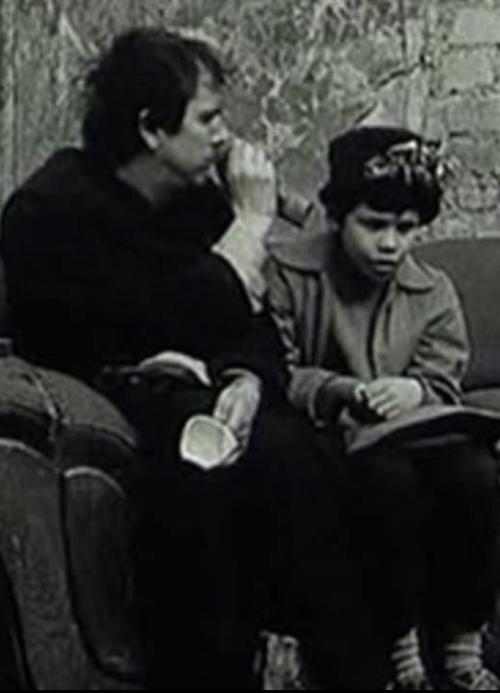




What is the ending?
In the ending of "Der Aufstand der Fischer von St. Barbara," the fishermen of St. Barbara successfully rise against the oppressive conditions imposed by the authorities. They unite to reclaim their rights and livelihoods, leading to a confrontation that ultimately results in a victory for the community. The film concludes with a sense of hope and solidarity among the fishermen, as they stand together against the forces that sought to control them.
As the final act unfolds, the tension in St. Barbara reaches its peak. The fishermen, led by their determined leader, gather in a dimly lit hall, their faces etched with worry and resolve. The air is thick with anticipation as they discuss their next steps. The oppressive weight of the authorities looms over them, but the camaraderie among the men ignites a spark of rebellion. They share stories of their struggles, their families, and the harsh realities of their lives, which fuels their collective anger and desire for change.
In the next scene, the fishermen organize a protest, marching through the streets of St. Barbara. Their chants echo against the walls of the town, a powerful declaration of their unity and defiance. The camera captures the determination in their eyes, the sweat on their brows, and the strength in their voices. As they approach the local government building, the atmosphere is charged with a mix of fear and hope. The fishermen know that this moment could change everything for them.
The authorities respond with force, sending in police to disperse the crowd. A confrontation ensues, and the fishermen stand their ground, refusing to back down. The scene is chaotic, with shouts and the sound of scuffling feet filling the air. The fishermen, driven by desperation and the need to protect their way of life, push back against the police. The struggle is intense, and the camera captures the raw emotion on the faces of both the fishermen and the officers, highlighting the human cost of this conflict.
As the dust settles, the fishermen emerge victorious. The authorities, faced with the overwhelming solidarity of the community, relent. The fishermen's demands are met, and they are granted the rights to fish in their waters without oppressive regulations. The scene shifts to a celebratory atmosphere, with the fishermen embracing one another, tears of joy mingling with laughter. Their victory is not just a personal triumph but a collective one, symbolizing the power of unity and resilience.
In the final moments of the film, the camera pans over the tranquil waters of the sea, reflecting the newfound hope of the fishermen. The leader, who has been a guiding force throughout the struggle, stands at the shore, looking out at the horizon. His expression is one of relief and determination, knowing that while this battle has been won, the fight for their rights and dignity will continue. The film closes with a sense of optimism, as the fishermen of St. Barbara prepare to rebuild their lives, united in their shared purpose.
The fates of the main characters are intertwined with this victory. The leader, who has shown unwavering courage, is now seen as a beacon of hope for the community. The other fishermen, once divided by fear and uncertainty, find strength in their solidarity. They return to their families, ready to face the future together, knowing that they have the power to shape their destinies. The film ends on a note of empowerment, emphasizing the importance of community and the fight against oppression.
Is there a post-credit scene?
"Der Aufstand der Fischer von St. Barbara," produced in 1988, does not contain a post-credit scene. The film concludes its narrative without any additional scenes after the credits roll. The story wraps up with the resolution of the fishermen's struggle against the oppressive forces they face, focusing on their fight for justice and the preservation of their way of life. The ending emphasizes the themes of solidarity and resilience among the community, leaving the audience with a sense of closure regarding the characters' journeys.
What motivates the fishermen to revolt against the authorities in Der Aufstand der Fischer von St. Barbara?
The fishermen are driven by a deep sense of injustice and desperation as they face oppressive regulations and exploitation from the authorities. Their livelihoods are threatened by bureaucratic decisions that prioritize profit over their traditional way of life, leading to a collective realization that they must stand up for their rights.
How does the character of Captain Hannes evolve throughout the film?
Captain Hannes begins as a reluctant leader, burdened by the weight of responsibility and the fear of losing his community's way of life. As the story progresses, he transforms into a passionate advocate for the fishermen, rallying them to unite against the oppressive forces. His emotional journey reflects his growing determination and the internal conflict between his desire for peace and the need for action.
What role does the local government play in the fishermen's struggle?
The local government is depicted as an antagonistic force, enforcing regulations that threaten the fishermen's livelihoods. Their decisions are portrayed as disconnected from the realities of the fishermen's lives, leading to increased tension and conflict. The government's refusal to listen to the fishermen's concerns exacerbates the situation, ultimately pushing the community towards rebellion.
How do the personal relationships among the fishermen influence their decision to revolt?
The personal relationships among the fishermen are crucial in building solidarity and trust. As they share their struggles and fears, their bonds strengthen, creating a sense of unity that fuels their collective action. The emotional stakes are heightened as friendships are tested, and the fishermen realize that their fight is not just for their own survival, but for the future of their families and community.
What specific events lead to the tipping point for the fishermen's uprising?
Several key events escalate tensions, including a sudden increase in fishing quotas imposed by the government, the arrest of a fellow fisherman for protesting, and a devastating storm that destroys their boats. These incidents serve as catalysts, igniting the fishermen's frustrations and culminating in a decisive moment where they choose to take a stand against the authorities.
Is this family friendly?
"Der Aufstand der Fischer von St. Barbara" is a film that, while centered around themes of struggle and community, does contain elements that may be considered objectionable or upsetting for children or sensitive viewers.
-
Conflict and Tension: The film portrays significant conflict between the fishermen and the authorities, which may include scenes of anger, frustration, and confrontation. These moments can be intense and may evoke feelings of distress.
-
Social Injustice: The narrative addresses themes of social injustice and economic hardship, which may be difficult for younger viewers to fully comprehend. The emotional weight of these issues can be heavy and may lead to feelings of sadness or discomfort.
-
Depictions of Struggle: There are scenes that depict the struggles of the fishermen, including their fight for rights and survival. The portrayal of their hardships may be upsetting, especially for those sensitive to themes of poverty and desperation.
-
Emotional Turmoil: Characters experience a range of emotions, including despair, anger, and hopelessness. These emotional scenes may resonate deeply and could be challenging for younger audiences to process.
-
Authority Figures: The interactions with authority figures can be confrontational and may depict a lack of empathy or understanding, which could be unsettling for some viewers.
Overall, while the film carries important messages about community and resilience, its themes and emotional depth may not be suitable for all children or sensitive individuals.







