






Loading additional questions...
Popular
What are some key moments that showcase Jackie Gleason's comedic style in the film?
How does Jackie Gleason's relationship with his family evolve throughout the film?
What role does Gleason's friendship with other comedians play in the film?
How does the film depict Jackie Gleason's rise to fame?
What are some significant challenges Jackie Gleason faces in his career as depicted in the film?
Should I watch it?
Ask Your Own Question

What is the plot?
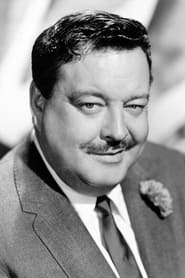
Jackie Gleason: The Great One begins in the raw, cramped world that shapes its subject long before fame ever finds him, opening on Herbert John "Jackie" Gleason's impoverished Brooklyn childhood and using that hardship as the emotional key to everything that follows. Born in Brooklyn on February 26, 1916, and shown in the film as a boy coming up inside a troubled home, Jackie grows up under the shadow of a father depicted as a drunkard who abuses his mother, and the film makes clear that this early violence and instability feed both his hunger to escape and the defensive bravado that later becomes his stage persona. The story does not treat this background as a side detail; it is the foundation. Every later burst of swagger, every comic insult, every demand for attention and control feels like a reply to the fear and humiliation of the beginning.
The film moves through these early Brooklyn years with a sense of pressure building in a narrow space. Jackie is not born into glamour, and the camera lingers on the starkness of tenement life, on the emotional distance in the home, and on the boy's growing awareness that laughter might be a weapon, a shield, and a way out at the same time. Rather than offering a mystery or a single hidden secret, the film's first revelation is psychological: the adult Jackie Gleason is being made in childhood, by hunger, shame, and the need to dominate a room before the room can dominate him. The sources describe this Brooklyn upbringing as the starting point for his ambition, and the film uses it exactly that way, tying his later larger-than-life public image to the pain of being small and powerless as a child.
From there the narrative begins to widen. Jackie is drawn away from the neighborhood and toward performance, first through low-rung entertainment work and then through the rough, practical apprenticeship of vaudeville and nightclub life. The film shows him learning how to hold attention, how to sense a crowd, and how to improvise confidence when there is none underneath. This part of the story is all momentum: he is not yet a star, but he is becoming impossible to ignore. The available sources identify his pre-television career as a progression through carnivals, nightclubs, stage work, and minor film parts, and the movie follows that progression chronologically, presenting each step as both a breakthrough and a compromise. He is talented, but he is also frustrated. He wants more than local applause, more than being just another performer in a smoky room.
That longing carries him into the entertainment world that eventually gives shape to his legend. The film dramatizes his rise through early television, especially the crucial period around Cavalcade of Stars, which the sources identify as the first major stage on which he truly becomes a national presence. The transition into television feels like a door opening onto a new era. Jackie's broad physicality, his booming voice, and his instinct for character work suddenly fit the medium in a way that stage and film had not fully allowed. The movie emphasizes that this is not an overnight miracle but a hard-earned transformation. He is not merely discovered; he is forged in front of cameras, through repeated performances and a growing sense that he understands the audience better than the people around him understand him.
As his fame grows, the film turns from childhood origin story into the drama of creation. The backstage world of television production becomes central, and the story's major "revelations" are no longer secrets of crime or death but the artistic and personal forces behind his signature work. The sources identify The Honeymooners as the core creative achievement around which the film revolves, and the movie treats its development as the decisive event in Jackie's career. What emerges is that the show is not just another sitcom idea; it is the crystallization of everything he understands about working-class life, frustration, affection, and comic combat. The film shows him shaping the concept with fierce control, and the backstage atmosphere becomes a place of pressure and invention, where every decision feels personal.
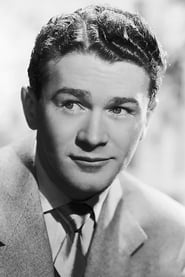
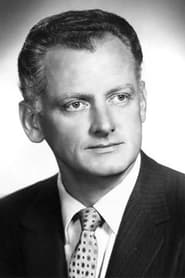
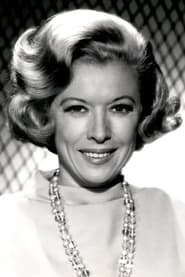
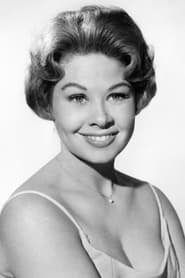
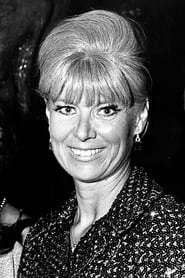
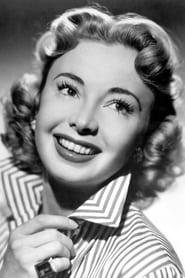
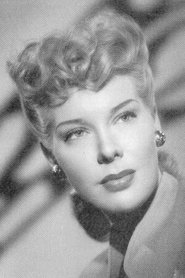
Around this creative center, the supporting figures come into focus. Marilyn Gleason, his wife, appears as part of the private life that exists alongside the public legend. Audrey Meadows enters as the actress associated with Alice in The Honeymooners, while Art Carney, as Ed Norton, and Joyce Randolph, as Trixie, represent the ensemble chemistry that gives the show its identity. Their presence matters because the film is not only about Jackie as a solo performer; it is also about the friction between his need to command everything and the collaborative reality of making television. The backstage scenes, as described by the sources, are filled with negotiation, creative tension, and the sense that Gleason's brilliance is inseparable from the conflicts he generates.
As The Honeymooners comes into being, the film builds its strongest emotional contrast: the difference between the comic giant the audience sees and the troubled man behind the laughter. This contrast is the movie's most important revelation. Jackie's public persona is vast, confident, and hilarious; privately, he remains marked by instability, desire, and the old wound of his childhood home. The narrative repeatedly returns to the idea that his success is not a cure. It is an amplification. Fame gives him scale, but it does not grant him peace. The film presents this tension as the true cost of greatness, and it does so without needing a conventional villain. The conflict is internal, professional, and domestic all at once.
The television world around him becomes a site of confrontation, though not in the sense of lethal danger. The available sources indicate no deaths in the film itself, and there are no murder-style reversals to track; instead, the dramatic force comes from clashes over control, ego, and personal behavior. Jackie's dealings with the people around him repeatedly reveal that he can be generous in creation and difficult in intimacy. His relationships are strained by the same traits that make him magnetic on screen. The backstage environment around The Honeymooners is where this most visibly plays out: he pushes, others respond, and the show's success depends on both the creative friction and the resilience of the people who work with him.
The film's chronology keeps moving forward, following the growth of his career as his television fame expands into a defining presence in American popular culture. The success of The Honeymooners is treated not as a final victory but as the point at which Jackie Gleason fully becomes "The Great One," a title the sources connect with his outsized personality and his ability to dominate any room he enters. The movie's emotional trajectory, then, is not toward solving a puzzle but toward understanding a contradiction: how a boy from an abusive Brooklyn home becomes a figure so comic, so forceful, and so culturally durable that his name becomes inseparable from his signature character, Ralph Kramden.
The supporting relationships deepen that contradiction. Marilyn Gleason represents the private domestic sphere that exists beside the public career, while Audrey Meadows, Art Carney, and Joyce Randolph reflect the professional ensemble that helps turn Jackie's vision into an enduring television form. The film uses their interactions to show that success is collaborative even when the central figure seems to dominate everything. Each creative choice on the set of The Honeymooners carries consequences, and every strained exchange heightens the sense that Jackie's genius and his difficulty are the same force seen from different angles. That is the real dramatic engine: the show is being made by a man whose need for control is both the source of the art and the source of the conflict.
Because the available sources do not provide scene-by-scene documentation, the film's concluding movement can only be reconstructed in broad strokes, but those strokes are clear enough to show the intended emotional destination. The narrative carries Jackie through the triumph of his television identity and into the lasting recognition that follows from it. The final emphasis is not on a shocking twist but on endurance: the boy from Brooklyn has become a national figure, a television innovator, and a performer whose influence outlasts the moment of broadcast. The story resolves by affirming that his greatest creation, The Honeymooners, is the bridge between his suffering origins and his public immortality.
The ending does not hinge on death, because the film is not structured as a tragedy of literal loss, and the available material does not identify any on-screen deaths to report. Instead, the final emotional note is the completion of a life arc: the wounded child becomes the commanding entertainer, and the world sees the result in the form of a comedy legend. If the film closes on performance, it does so with the weight of everything that has come before it--Brooklyn poverty, family abuse, early show-business struggle, television breakthrough, and the hard-won creation of Jackie Gleason's most famous work. The "resolution" is therefore not a mystery solved but a portrait completed: the man is finally understood as the sum of his contradictions, and the title "The Great One" lands as both admiration and explanation.
What lingers at the end is the emotional paradox the film has been building all along. Jackie Gleason is never simply a happy success story, and the movie does not pretend otherwise. It shows that the laughter comes from pain, the force comes from vulnerability, and the legend is inseparable from the lonely child who first learns how to survive by performing. By the time the film reaches its final moments, the audience has seen the entire arc: the poor Brooklyn boy, the troubled son, the hungry young performer, the television star, and the creator of a comedy world that becomes part of American memory. The last impression is one of stature and ache combined, as if the film is saying that Jackie Gleason's greatness is real precisely because it is built on bruises that never fully disappear.
More Movies Like This
Browse All Movies →



What is the ending?
Is there a post-credit scene?
What are some key moments that showcase Jackie Gleason's comedic style in the film?
The film features several key moments that highlight Jackie Gleason's unique comedic style, including his iconic physical comedy and timing. One memorable scene involves Gleason's character engaging in a slapstick routine that showcases his ability to blend humor with physicality, drawing laughter from the audience as he navigates a series of mishaps. Another significant moment occurs during a live performance where Gleason interacts with the audience, demonstrating his improvisational skills and ability to connect with viewers on a personal level.
How does Jackie Gleason's relationship with his family evolve throughout the film?
Throughout the film, Jackie Gleason's relationship with his family is portrayed with depth and complexity. Initially, there is a sense of distance as Gleason's dedication to his career takes precedence over family time. However, as the narrative progresses, pivotal scenes reveal moments of vulnerability and connection, such as a heartfelt conversation with his wife that highlights his internal struggle between fame and family. This evolution culminates in a touching family gathering where Gleason expresses his love and appreciation, showcasing his growth as a character.
What role does Gleason's friendship with other comedians play in the film?
Gleason's friendships with other comedians are central to the film, providing both comedic relief and emotional support. Key scenes depict Gleason sharing the stage with fellow comedians, where their camaraderie is evident through playful banter and collaborative sketches. These interactions not only highlight the competitive nature of comedy but also reveal Gleason's respect for his peers. A particularly poignant moment occurs when a friend offers Gleason advice during a personal crisis, emphasizing the importance of friendship in navigating the challenges of fame.
How does the film depict Jackie Gleason's rise to fame?
The film chronicles Jackie Gleason's rise to fame through a series of flashbacks and pivotal performances. Early scenes depict his struggles in small clubs, where he faces rejection and self-doubt. As he gradually gains recognition, the film showcases key performances that capture the audience's attention, including a memorable television appearance that catapults him into stardom. The emotional weight of these moments is palpable, as Gleason grapples with the pressures of success while remaining true to his comedic roots.
What are some significant challenges Jackie Gleason faces in his career as depicted in the film?
Jackie Gleason faces several significant challenges throughout the film that test his resilience and dedication to his craft. One major challenge is the pressure to maintain his popularity in an ever-changing entertainment landscape, leading to moments of self-doubt and anxiety. Additionally, the film portrays the toll that fame takes on his personal life, including strained relationships and the struggle to balance work and family. A particularly intense scene shows Gleason dealing with a critical review that shakes his confidence, forcing him to confront his fears and reaffirm his passion for comedy.







