



Popular
Should I watch it?
Ask Your Own Question

What is the plot?
Sorry, we aren't able to watch and write up a full detailed plot yet. Check back in a few days.









What is the ending?
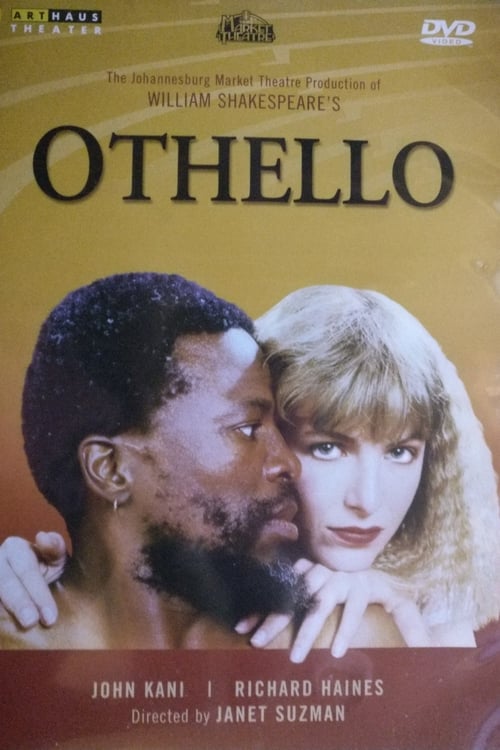
In the ending of the 1989 film "Othello," Othello, consumed by jealousy and manipulated by Iago, kills Desdemona, believing she has been unfaithful. After realizing the truth of Iago's deceit, Othello is devastated and takes his own life. Iago is arrested, and the tragic consequences of his manipulation are laid bare.
As the final act unfolds, the tension escalates in a series of heart-wrenching scenes.
Scene 1: The setting is Othello's chamber, dimly lit and filled with an oppressive atmosphere. Othello, portrayed with a deep sense of turmoil, confronts Desdemona. He is torn between his love for her and the poisonous lies fed to him by Iago. Desdemona, confused and frightened, pleads for her life, insisting on her innocence. Othello, however, is blinded by jealousy, his face a mask of anguish as he grapples with the betrayal he believes she has committed.
Scene 2: In a moment of tragic misunderstanding, Othello, driven by the belief that he must restore his honor, smothers Desdemona with a pillow. Her desperate gasps for breath echo in the room, a haunting sound that underscores the horror of the act. As she dies, her eyes reflect a mix of betrayal and love, leaving Othello in a state of shock and despair.
Scene 3: The realization of his grave mistake hits Othello like a thunderclap. He cradles Desdemona's lifeless body, his heart breaking as he understands that Iago has deceived him. The weight of his actions crashes down upon him, and he is consumed by guilt and sorrow. Othello's cries of anguish fill the chamber, a poignant reminder of the tragic consequences of jealousy and manipulation.
Scene 4: The chaos unfolds as Iago's treachery is revealed. Cassio, who has been wounded in the conflict, enters the scene, and the truth begins to unravel. Othello, now fully aware of Iago's betrayal, confronts him with a mix of rage and despair. Iago's cold demeanor contrasts sharply with Othello's emotional turmoil, highlighting the depths of Iago's villainy.
Scene 5: In the final moments, Othello, overwhelmed by grief and remorse, takes his own life with a dagger. His last breath is a haunting echo of love and regret, leaving the audience with a profound sense of loss. The camera lingers on his body, a tragic figure who has succumbed to the very emotions that Iago exploited.
Scene 6: The film concludes with Iago being apprehended, his fate sealed as he is led away in chains. The final shot captures the aftermath of the tragedy, a stark reminder of the destructive power of jealousy and deceit. The once noble Othello is left as a cautionary tale, a victim of manipulation and his own insecurities.
In summary, the fates of the main characters are sealed in tragedy: Desdemona is lost to Othello's misguided actions, Othello succumbs to his own despair, and Iago faces the consequences of his malevolence, though he remains unrepentant. The film closes on a somber note, emphasizing the devastating impact of betrayal and the fragility of love.
Is there a post-credit scene?
The 1989 film "Othello," directed by Oliver Parker and starring Laurence Fishburne as Othello and Irene Jacob as Desdemona, does not contain a post-credit scene. The film concludes with the tragic resolution of the story, focusing on the intense emotional fallout from Othello's actions and the devastating consequences of jealousy and betrayal. The final moments are poignant and somber, emphasizing the themes of love, trust, and tragedy that permeate the narrative. After the credits roll, there are no additional scenes or content that extend the story or provide further commentary on the events that have transpired.
What motivates Iago to betray Othello?
Iago's motivations stem from a deep-seated jealousy and resentment towards Othello. He feels slighted after being passed over for promotion in favor of Cassio, which ignites his desire for revenge. Iago's cunning nature leads him to manipulate those around him, using their weaknesses to orchestrate Othello's downfall.
How does Iago manipulate Othello into believing Desdemona is unfaithful?
Iago employs a series of calculated deceptions to manipulate Othello. He plants the seed of doubt by suggesting that Desdemona is having an affair with Cassio. Iago uses the handkerchief, a token of love from Othello to Desdemona, as false evidence of infidelity, further convincing Othello of Desdemona's betrayal.
What role does the handkerchief play in the plot?
The handkerchief is a pivotal symbol in the story, representing Othello's love for Desdemona. Iago uses it as a tool of manipulation, ensuring that it falls into Cassio's possession. When Othello sees Cassio with the handkerchief, it solidifies his belief in Desdemona's infidelity, driving him to jealousy and rage.
How does Othello's character change throughout the film?
Othello begins as a noble and confident leader, deeply in love with Desdemona. However, as Iago's manipulations take hold, Othello's character deteriorates. He becomes increasingly consumed by jealousy and rage, leading to a tragic transformation from a respected general to a man driven by insecurity and suspicion, ultimately resulting in his tragic actions.
What is Desdemona's response to Othello's accusations?
Desdemona is initially bewildered and heartbroken by Othello's accusations of infidelity. She remains steadfast in her love for him, pleading her innocence and trying to understand his sudden change in behavior. Her emotional turmoil is palpable as she grapples with Othello's mistrust, showcasing her vulnerability and the tragic nature of their relationship.
Is this family friendly?
The 1989 film "Othello," directed by Oliver Parker and based on William Shakespeare's tragedy, contains several elements that may be considered objectionable or upsetting for children or sensitive viewers. Here are some aspects to be aware of:
-
Violence and Murder: The film includes scenes of violence, including a pivotal murder that is central to the plot. The emotional weight of these scenes can be intense.
-
Jealousy and Betrayal: The themes of jealousy and betrayal are prevalent throughout the film, leading to emotional turmoil and distress among characters, which may be unsettling.
-
Racial Tensions: The film addresses issues of race and discrimination, particularly through the character of Othello, who faces prejudice due to his ethnicity. This can evoke strong emotional responses.
-
Infidelity: The plot revolves around themes of infidelity and manipulation, which may be inappropriate for younger audiences.
-
Emotional Distress: Characters experience significant emotional pain, including despair, anger, and heartbreak, which can be heavy and difficult to watch.
-
Tragic Outcomes: The film concludes with tragic events that may be upsetting, as it deals with loss and the consequences of deceit.
These elements contribute to a mature narrative that may not be suitable for all viewers, particularly children or those sensitive to such themes.