







Popular
What is the significance of the character of the monk Pimen in the story?
What motivates Boris Godounov to become Tsar despite the guilt he feels over the murder of Dmitri?
How does the character of Grigory Otrepiev influence the events of the story?
What role does the Russian populace play in the conflict between Boris and Grigory?
How does Boris's relationship with his family affect his decisions as Tsar?
Should I watch it?
Ask Your Own Question

What is the plot?
Sorry, we aren't able to watch and write up a full detailed plot yet. Check back in a few days.




What is the ending?
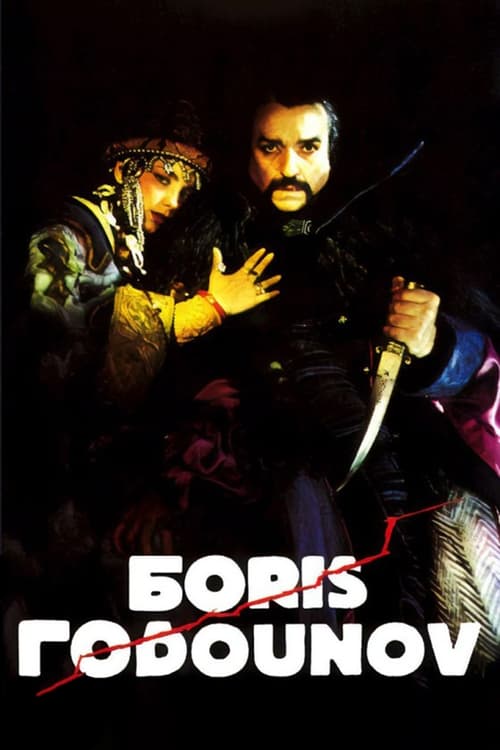
In the ending of the 1989 film "Boris Godounov," Boris, the troubled Tsar of Russia, succumbs to madness and guilt over his past actions, particularly the murder of the rightful heir, Dmitri. As he faces the consequences of his tyranny and the unrest among the people, he ultimately dies alone, haunted by his conscience. The film concludes with the rise of a new leader, signaling a shift in power and the ongoing turmoil in Russia.
As the final act unfolds, the atmosphere is thick with tension and despair. The scene opens in the dimly lit chambers of the Kremlin, where Boris Godounov, played with a palpable sense of dread, is increasingly isolated. The weight of his decisions bears down on him, and he is tormented by visions of the past, particularly the specter of the young Dmitri, whose death he orchestrated to secure his own claim to the throne.
In a pivotal moment, Boris is confronted by his advisors, who express their concerns about the growing discontent among the populace. The people are restless, and rumors of a pretender claiming to be Dmitri have begun to circulate, igniting hope among the masses. Boris, feeling the walls close in around him, struggles to maintain his composure. His internal conflict is evident; he oscillates between the desire to be a strong ruler and the fear of losing everything he has fought for.
As the unrest escalates, the scene shifts to the streets of Moscow, where the citizens, driven by desperation and anger, gather to voice their grievances. The cries for justice echo through the air, and the tension is palpable. The camera captures the faces of the people, filled with a mix of hope and fury, as they rally against the tyranny of Boris. This uprising serves as a stark contrast to Boris's solitary existence within the Kremlin walls.
Back in the Kremlin, Boris's mental state deteriorates further. He experiences hallucinations and paranoia, believing that he is being watched and judged by those he has wronged. In a haunting sequence, he is seen wandering the halls, speaking to shadows and grappling with his guilt. The once-mighty Tsar is reduced to a figure of tragedy, consumed by the consequences of his ambition.
In the climactic moments, Boris receives news that the pretender, claiming to be Dmitri, is gaining support and that his rule is in jeopardy. Overwhelmed by despair, he retreats to his private chambers, where he confronts his own reflection. The internal struggle reaches its peak as he grapples with the realization that his reign is crumbling, and he is ultimately responsible for his downfall.
The final scene is somber and poignant. Boris, now a broken man, collapses in his chamber, succumbing to the weight of his guilt and the madness that has overtaken him. His death is not just a physical end but symbolizes the collapse of his regime and the moral decay that has plagued his rule. The camera lingers on his lifeless body, a stark reminder of the cost of power and the fragility of human ambition.
As the film draws to a close, the focus shifts back to the streets of Moscow, where the people celebrate the emergence of a new leader. The air is filled with a sense of hope and renewal, contrasting sharply with the despair that enveloped Boris. The film ends on this note of transition, leaving the audience to reflect on the cyclical nature of power and the enduring struggle for justice in a tumultuous world.
Is there a post-credit scene?
The movie "Boris Godounov," produced in 1989, does not contain a post-credit scene. The film concludes with the dramatic and emotional resolution of its central themes, focusing on the tragic fate of Boris and the political turmoil of Russia during his reign. The ending leaves the audience with a sense of the weight of power and the consequences of ambition, but there are no additional scenes or content after the credits roll. The film's conclusion is poignant and reflective, encapsulating the essence of the story without any further embellishments.
What is the significance of the character of the monk Pimen in the story?
The monk Pimen serves as a moral compass and a voice of reason in the tumultuous world of Boris Godounov. His reflections on history and the nature of power provide insight into the consequences of ambition and tyranny. Pimen's interactions with Boris and Grigory highlight the spiritual and ethical dilemmas faced by the characters, emphasizing the weight of their choices.
What motivates Boris Godounov to become Tsar despite the guilt he feels over the murder of Dmitri?
Boris Godounov's ambition to become Tsar is driven by a complex mix of personal desire for power and a sense of duty to stabilize Russia. He grapples with guilt over the murder of Dmitri, the rightful heir, which haunts him throughout the film. This internal conflict manifests in his paranoia and fear of losing the throne, leading him to make increasingly ruthless decisions.
How does the character of Grigory Otrepiev influence the events of the story?
Grigory Otrepiev, a peasant who claims to be the deceased Dmitri, becomes a pivotal figure in the narrative. His emergence as a pretender to the throne stirs hope among the people and challenges Boris's rule. Grigory's charisma and the support he garners from the populace highlight the themes of legitimacy and the struggle for power, ultimately leading to a confrontation with Boris.
What role does the Russian populace play in the conflict between Boris and Grigory?
The Russian populace serves as a crucial backdrop to the conflict between Boris and Grigory. Their shifting loyalties reflect the broader societal unrest and desire for change. As Grigory gains their support, the people's discontent with Boris's oppressive rule intensifies, illustrating the power dynamics at play and the impact of leadership on the common folk.
How does Boris's relationship with his family affect his decisions as Tsar?
Boris's relationship with his family, particularly his children, adds a layer of personal conflict to his role as Tsar. His desire to protect them from the consequences of his actions and the political turmoil influences his decisions. The strain on his family life exacerbates his paranoia and isolation, ultimately contributing to his tragic downfall.
Is this family friendly?
The 1989 film "Boris Godounov" is an adaptation of the opera by Modest Mussorgsky, which is based on the historical figure Boris Godunov. While the film is a dramatic portrayal of political intrigue and personal turmoil, it does contain several elements that may be considered objectionable or upsetting for children or sensitive viewers.
-
Themes of Power and Betrayal: The film delves into the dark aspects of ambition, power struggles, and betrayal, which may be complex and unsettling for younger audiences.
-
Violence and Death: There are scenes that depict violence, including the consequences of political machinations that lead to death and suffering, which could be distressing.
-
Mental Distress: The character of Boris experiences significant psychological turmoil, including guilt and paranoia, which may be intense and difficult for some viewers to process.
-
Historical Context: The film is set against a backdrop of political unrest and social upheaval, which may include references to historical events that could be confusing or alarming for children.
-
Tragic Elements: The overall tone of the film is somber, with tragic outcomes for several characters, which may evoke feelings of sadness or discomfort.
These aspects contribute to a narrative that is more suited for mature audiences, as it explores heavy themes and emotional depths that may not be appropriate for children.









