













Popular
What motivates the main character, Lauri, to join the fight in the Winter War?
How does the relationship between Lauri and his fellow soldiers evolve throughout the film?
What are the key challenges Lauri faces during the battles in the Winter War?
How does the film portray the impact of war on civilians in Finland?
What role does the Finnish landscape play in the story and the characters' experiences?
Should I watch it?
Ask Your Own Question

What is the plot?
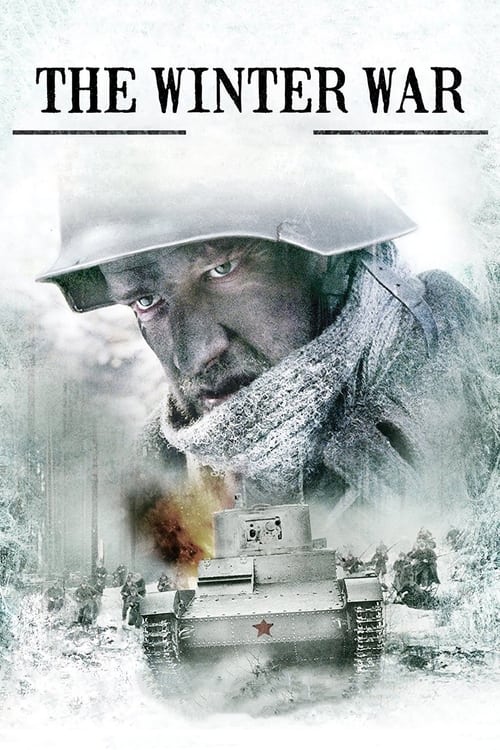
The film opens on 13 October 1939, not with battle, but with the uneasy stillness before it, as Finnish reservists are called up while the threat of Soviet invasion grows impossible to ignore. In the farming municipality of Kauhava in Southern Ostrobothnia, the brothers Martti Hakala and Paavo Hakala leave behind ordinary rural life and report with other local men to a hurried mobilization that feels at once absurdly small and historically enormous. They are not career soldiers but farmers, men with weathered hands and the practical calm of people used to difficult work, and the film makes that plain from the start: war is not arriving for professionals, but for families, fields, and village life. One of the earliest lines that captures their bewilderment is, "In war, you never know, you just go where they tell you," a blunt statement of the reserve soldiers' powerlessness in the face of events moving far beyond their understanding.
At the local school, the men muster and are quickly turned from civilians into soldiers in name only, their half-platoon falling under the command of Second Lieutenant Jussi Kantola. The schoolhouse, a place of childhood discipline and ordinary community life, becomes the first military staging point, and the transition is immediate and disorienting: there is barely time to adjust before they are loaded onto a train bound for Seinäjoki, where they join the larger 23rd Regiment commanded by Lieutenant-Colonel Matti Laurila. The journey is not presented as heroic; it is practical, crowded, and anxious, a procession of men moving from one uncertain location to another while the bigger shape of the war remains obscure to them. The brothers travel together, but the film's emotional current already makes clear that the war will test not just their courage but their bond, because every mile from Kauhava carries them farther from the life they know and deeper into a landscape where the future is governed by artillery, orders, and luck.
After weeks of practice, the regiment moves toward the Karelian Isthmus, the broad and strategically vital frontier where Finland braces for the Soviet assault. The film slows here long enough to show the men still clinging to routine, still trying to make military life feel manageable through drills, jokes, and habitual labor, even as the horizon darkens with anticipation. Kantola's men help civilians evacuate a village in the war zone, and the scene has a quiet, painful force: families gather what they can carry, belongings are bundled, faces are drawn, and the cost of the coming battle is made visible not in destroyed trenches but in people being forced to leave home before a single shot has been fired. The evacuation scene is one of the film's clearest reminders that war is not only fought at the front; it empties kitchens, barns, and roadsides behind the line, turning geography into grief.
Laurila then addresses the regiment before the march to the Taipale River, and his speech gives the men their formal place in the conflict, framing their assignment not as a glorious charge but as a grim duty to hold ground and prepare for what is coming. The men help build defenses along the Taipale line, digging, reinforcing, and shaping earth into a fragile barrier against the Red Army. Taipale quickly becomes the film's central battlefield, and the mood there hardens from apprehension to endurance; every trench wall and timber support seems temporary, every shoveled mound a promise that the men are building their own coffin lids if they fail. The cold bites through clothing, the days shorten, and the soldiers sink into the physical reality of waiting for an enemy that is already near enough to be heard but not yet seen.
The war truly begins for them on 6 December 1939, Finnish Independence Day, and the date sharpens the irony to a knife-edge: the nation celebrates freedom as artillery begins to tear into the defensive line. The Battle of Taipale opens with Soviet shells hammering the Finnish positions while the Red Army assembles beyond the trenches. The men, already exhausted from preparation, are forced instantly from waiting into survival, and the film's tempo accelerates into chaos as the first bombardment rips across the line. The contrast is devastating: flags of independence exist in memory or ceremony, but here the soldiers' world is mud, smoke, and concussion. The sense of national history collapses into a few meters of frozen ground.
The next day the attack intensifies. Soviet aircraft strafe the Finnish trenches while the Red Army launches a massive human-wave assault supported by T-26 tanks. The film stages this as an overwhelming, almost mechanical force of destruction: engines roar above, shells burst in the snow, and waves of infantry surge forward in close-packed lines that make every Finnish defender feel absurdly exposed and yet stubbornly alive. Jussi Kantola and his men fight from the trenches with whatever means they have, holding the line through improvisation, discipline, and sheer refusal to collapse. Martti and Paavo remain in the center of the action, trying to act like men who understand the battlefield even while the scale of the assault reveals how little control any individual soldier has over what happens next.
As the fighting settles into the long winter's pattern, the film emphasizes attrition rather than maneuvers. Days blur into nights of frost, shelling, and exhaustion. Men sleep in fragments, eat when they can, and stand watch in temperatures that seem designed to strip away any remaining illusion of comfort or safety. The Soviet attacks come again and again, and each time the Finns absorb the blow, fire back, and remain standing just long enough to face the next one. The battlefield becomes a machine for grinding down bodies and spirits, and the emotional weight of the film rests in how normal the soldiers try to remain in the middle of abnormality. There is no grand turning point here, only the accumulation of hardship: artillery barrages, air raids, tank pushes, and infantry assaults that turn the trenches into a continuous test of endurance.
At some point in the long middle stretch, Paavo Hakala is wounded and is sent home on leave, a reprieve that briefly removes him from the front and gives the film one of its crucial variations in rhythm. When he and Martti each obtain leave, the story shifts back toward home and exposes the distance between battlefield reality and civilian understanding. The leave scenes do not resolve anything; instead they sharpen the tragedy by showing how little the home front can truly comprehend of what is happening in the snow and smoke at Taipale. Families hope, ask questions, and search for reassurance, but the war has become a separate world, one that cannot be explained cleanly and cannot be made safe by distance. This emotional gap is one of the film's most painful discoveries: the men do not merely fight an enemy army, they also carry the burden of returning to people who can barely imagine what they have lived through.
Paavo's brief return to the front becomes one of the film's starkest shocks. According to the plot material from the novel adaptation, shortly after he comes back from home leave, he is killed by a direct artillery hit in front of Martti's eyes. That moment is the story's most brutal personal loss, because it transforms the war from an ordeal into a bereavement that Martti must endure while still under fire. The death is sudden, impersonal, and final: there is no duel, no chance for heroics, only enemy artillery arriving with such force that a young life vanishes in an instant. Martti is left to absorb the sight of his younger brother dying before him, and the film's emotional center shifts from shared endurance to solitary survival. This is the point where the war ceases to be only collective history and becomes irreversible private tragedy.
From here onward, the pressure on the regiment only increases. The unit is later moved away from the fields of Terenttilä to rest on Boxing Day, then Martti is able to visit home during the break, another temporary interruption that cannot undo what has already happened. The recovery is incomplete from the beginning. Men who have lived through shellfire cannot truly rest, and the break only underscores how much of their former selves has already been consumed by the war. When the regiment returns, it spends time renovating the rear lines of the Taipale front, a labor that may seem quieter than combat but still carries the same atmosphere of looming danger, because every repaired position is simply a pause before the next attack. The soldiers work in fatigue and cold, carrying tools as often as rifles, and the film makes clear that surviving the Winter War is not a matter of charging but of enduring a sequence of exhausting, repetitive demands.
The campaign then shifts toward the Äyräpää front, where the regiment is transferred and the fighting becomes even more punishing. Here the losses are severe, the line strains toward collapse, and Martti and the remaining men are pushed to the edge of what they can physically and emotionally sustain. The war's pattern remains the same--artillery, air power, infantry waves, tanks--but the cumulative effect is more devastating because the defenders have been reduced, depleted, and worn thin by months of relentless pressure. The film's tension no longer comes from wondering whether the men can win outright, because victory has already become impossible in that sense; it comes from wondering whether they can remain alive long enough for something outside the battlefield to end the slaughter.
On 5 March, Martti, Jussi Kantola, and the surviving Finnish soldiers cover a counterattack by the men of Nurmo. The action is tense and ugly, less a glorious offensive than an attempt to create a breathing space in a collapsing situation. A delay, however, allows the Soviets to gain a better position, and that small tactical setback has immediate consequences: the enemy is now closer, stronger, and able to press the advantage. The Finns are hit again by massive human-wave assaults, and this time the force of numbers becomes too much to absorb. The film drives the scene toward a near-break with brutal momentum, showing men firing, reloading, shouting, and stumbling through smoke while the Soviet advance continues to swallow ground. The emotional force of the sequence lies in its helplessness: the defenders are still fighting, but they are fighting inside a tightening ring.
The final stretch of the film is defined by near-collapse. The surviving Finns are overwhelmed by the mass of Soviet soldiers, and the line buckles under the pressure. Martti remains in the thick of it, carrying not only his weapon and his orders but the memory of Paavo's death and the physical knowledge that each minute can be the last. Jussi Kantola stays with the men through the worst of the fighting, and Lieutenant-Colonel Matti Laurila's regiment has by now been reduced to a depleted remnant of its earlier strength. The camera's emotional logic, as described by the plot sources, is that the war no longer feels like a series of separate clashes but like one continuous mass of cold, exhaustion, and fear pushing toward annihilation. The men are nearly overrun; survival is no longer a tactical question but a matter of whether the world outside the trench will intervene in time.
That intervention comes not from the battlefield but from diplomacy. On the morning of 13 March 1940, as the Moscow Peace Treaty takes effect at 11:00, the fighting stops. The timing matters: the soldiers are still in danger, still almost overrun, when the guns fall silent, and the ceasefire does not arrive as a triumphant turning point but as the formal end of an ordeal they have barely survived. The war ends because the treaty says it ends, not because the battlefield settles in favor of the defenders. The final emotional note is therefore one of exhausted survival rather than victory. Martti and the surviving men remain alive, but only just, and the silence that arrives at eleven o'clock carries the weight of all the dead hours that came before it.
The film's ending does not offer a neat restoration. It leaves the viewer with the knowledge that Paavo has died, that many unnamed comrades have died in the long grind of Taipale and beyond, and that the survivors are left to process a war in which they were constantly outmatched and yet never fully broken. The major revelation of the story is not a concealed secret but the terrible truth the men learn piece by piece: modern war is not a single decisive clash, but a slow dismantling of certainty, youth, and innocence. Martti's path from Kauhava farmer to exhausted front-line survivor is a journey through that revelation, and the last scene's quiet is hard-won, brittle, and deeply unfinished, because peace arrives only after the cost has already been paid in blood, winter, and irrevocable loss.

What is the ending?
In the ending of "The Winter War," the Finnish soldiers, after enduring immense hardship and loss, manage to hold off the Soviet forces despite overwhelming odds. The film concludes with a sense of somber victory, as the soldiers reflect on their sacrifices and the cost of war.
As the final scenes unfold, the camera captures the desolate winter landscape, blanketed in snow, a stark reminder of the brutal conflict that has taken place. The Finnish soldiers, weary and battle-worn, gather together, their faces etched with the pain of loss and the weight of their experiences. They share a moment of silence, honoring their fallen comrades, and the emotional toll of the war is palpable in their expressions.
The film then shifts to a scene where the main character, Lauri, stands alone, gazing into the distance. His eyes reflect a mixture of sorrow and determination, embodying the spirit of resilience that has defined the Finnish struggle. He recalls the faces of his friends who did not survive, and a sense of resolve washes over him as he vows to carry their memory forward.
In the final moments, the soldiers are seen regrouping, preparing for the next phase of their fight. The camaraderie among them is evident, as they share quiet conversations, offering each other support in the face of uncertainty. The film closes with a shot of the Finnish flag waving in the wind, symbolizing hope and the enduring spirit of the nation.
As the credits roll, the audience is left with a profound sense of the sacrifices made during the Winter War, the strength of the human spirit, and the harsh realities of conflict.
In the concluding scenes of "The Winter War," the atmosphere is heavy with the aftermath of battle. The camera pans over a snow-covered landscape, littered with the remnants of war--abandoned equipment, the stark silhouettes of trees, and the haunting silence that follows the chaos. The Finnish soldiers, who have fought valiantly against the Soviet invasion, are visibly exhausted, their faces marked by fatigue and sorrow.
The first scene of the ending begins with a group of soldiers huddled together, their breath visible in the frigid air. They are sharing stories of their fallen comrades, voices low and somber. Each soldier reflects on the friends they have lost, the laughter that once filled their days now replaced by a heavy silence. The camera focuses on Lauri, the protagonist, whose eyes are filled with a deep sadness. He remembers his friend, who bravely fought by his side but did not survive the last assault. Lauri's internal struggle is evident; he grapples with feelings of guilt and the burden of survival.
As the scene shifts, we see the soldiers preparing for the next phase of their defense. They gather their weapons, checking ammunition and supplies, their movements mechanical yet purposeful. The camaraderie among them is palpable, as they exchange quiet words of encouragement. The bond forged through shared hardship is evident, and despite the looming threat of further conflict, there is a flicker of hope in their interactions.
In the next scene, Lauri stands apart from the group, looking out over the vast, white expanse. The wind whips around him, and he closes his eyes, allowing memories of his fallen friends to wash over him. He recalls their laughter, their dreams, and the moments of joy that now feel so distant. This moment of reflection is interrupted by the sound of distant artillery, a reminder that the war is far from over. Lauri's expression hardens with resolve; he knows he must continue to fight, not just for himself, but for those who can no longer do so.
The film then transitions to a gathering of the soldiers as they prepare for an impending Soviet attack. They form a line, standing shoulder to shoulder, their faces set with determination. The camera captures the tension in the air, the unspoken fears and hopes that bind them together. As they await the enemy, there is a moment of silence, a collective breath held in anticipation of what is to come.
In the climactic moments, the soldiers engage in fierce combat once more. The chaos of battle erupts around them, and the camera captures the intensity of their struggle. Explosions rock the landscape, and the sounds of gunfire fill the air. Lauri fights valiantly, his movements driven by a mix of adrenaline and the memory of his friends. Each shot fired is a tribute to those who have fallen, and the weight of their sacrifice fuels his determination.
As the battle subsides, the camera returns to the aftermath. The soldiers, though battered and bruised, stand together, their expressions a mix of relief and sorrow. They have held their ground, but the cost has been high. The scene shifts to Lauri, who stands once again in solitude, looking out over the battlefield. The realization of what they have endured settles heavily on him, and he vows to honor the memory of his comrades by continuing to fight for their homeland.
The film concludes with a poignant image of the Finnish flag waving in the wind, a symbol of resilience and hope. The soldiers, now united in their grief and determination, prepare for whatever lies ahead. The final shot lingers on Lauri's face, a mixture of pain and resolve, encapsulating the spirit of the Finnish people during the Winter War. As the screen fades to black, the audience is left with a profound understanding of the sacrifices made and the enduring strength of the human spirit in the face of adversity.
Is there a post-credit scene?
The Winter War, produced in 1989, does not have a post-credit scene. The film concludes with a poignant ending that encapsulates the emotional and physical toll of the conflict depicted throughout the story. The narrative focuses on the experiences of Finnish soldiers during the Winter War against the Soviet Union, highlighting themes of bravery, sacrifice, and the harsh realities of war. As the credits roll, the audience is left to reflect on the impact of the war and the resilience of the human spirit, without any additional scenes or content following the credits.
What motivates the main character, Lauri, to join the fight in the Winter War?
Lauri, a young Finnish man, is driven by a deep sense of patriotism and duty to protect his homeland from the Soviet invasion. His internal conflict is palpable as he grapples with the fear of war and the desire to defend his family and community. The emotional weight of his decision is highlighted through his interactions with loved ones, particularly his mother, who expresses both pride and concern for his safety.
How does the relationship between Lauri and his fellow soldiers evolve throughout the film?
As Lauri and his comrades face the brutal realities of war, their relationships deepen through shared experiences of fear, loss, and camaraderie. Initially, they are strangers, but as they endure the harsh conditions and witness the horrors of battle, they form a brotherhood. Key moments, such as sharing stories around a fire or mourning fallen friends, illustrate their growing bond and the emotional toll of their experiences.
What are the key challenges Lauri faces during the battles in the Winter War?
Lauri confronts numerous challenges, including the harsh winter conditions, the overwhelming firepower of the Soviet forces, and the psychological strain of combat. Specific scenes depict him struggling with frostbite, navigating treacherous terrain, and witnessing the deaths of his friends, which contribute to his internal struggle and transformation from an idealistic young man to a hardened soldier.
How does the film portray the impact of war on civilians in Finland?
The Winter War poignantly depicts the impact of the conflict on Finnish civilians, showcasing scenes of families fleeing their homes, the destruction of villages, and the emotional toll on women and children left behind. The film emphasizes the fear and uncertainty faced by those not on the front lines, highlighting the resilience and strength of the Finnish people as they cope with loss and displacement.
What role does the Finnish landscape play in the story and the characters' experiences?
The Finnish landscape is a crucial element in The Winter War, serving both as a backdrop and a character in its own right. The stark, snowy terrain presents both challenges and advantages for the soldiers. Scenes of soldiers camouflaging themselves in the snow or using the forests for cover illustrate how the environment shapes their strategies and experiences. The beauty and brutality of the landscape reflect the emotional highs and lows of the characters, enhancing the film's dramatic tension.
Is this family friendly?
"The Winter War," produced in 1989, is a war film that depicts the harsh realities of the Winter War between Finland and the Soviet Union during 1939-1940. While the film is a historical drama that aims to portray the struggles and bravery of soldiers, it contains several elements that may not be suitable for children or sensitive viewers.
-
Graphic Violence: The film includes intense battle scenes with depictions of combat, injuries, and death. The realism of these scenes can be quite graphic and may be distressing.
-
Death and Loss: Characters experience significant loss, including the deaths of comrades and the emotional toll of war. These moments can evoke strong feelings of grief and sadness.
-
War Trauma: The psychological impact of war on soldiers is explored, showcasing moments of despair, fear, and trauma, which may be unsettling for younger audiences.
-
Harsh Conditions: The film portrays the brutal winter environment and the struggles of survival, including scenes of cold exposure and starvation, which can be distressing.
-
Mature Themes: Themes of sacrifice, patriotism, and the moral complexities of war are prevalent, which may be difficult for younger viewers to fully understand.
Overall, while "The Winter War" is a significant historical film, its content may not be appropriate for children or those sensitive to the themes and imagery associated with war.









