








Popular
What is Tartuffe's true identity and how does it affect the other characters?
How does Orgon's relationship with his family change throughout the film?
What role does Elmire play in exposing Tartuffe's deceit?
How does Damis attempt to confront Tartuffe, and what are the consequences of his actions?
What is the significance of the final confrontation between Tartuffe and Orgon?
Should I watch it?
Ask Your Own Question

What is the plot?
Sorry, we aren't able to watch and write up a full detailed plot yet. Check back in a few days.



What is the ending?
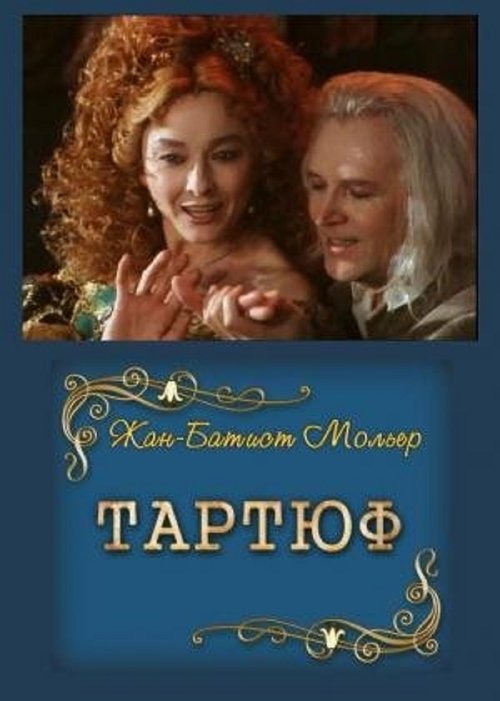
In the ending of the 1989 film "Tartuffe," the character Tartuffe is exposed as a fraud, and the true nature of his deceit is revealed. Orgon, who had been completely taken in by Tartuffe, finally sees the truth. The authorities arrive just in time to arrest Tartuffe, and the family is saved from his manipulations. The film concludes with Orgon reconciling with his family, particularly with his son Damis, and they celebrate their newfound freedom from Tartuffe's influence.
Now, let's delve into the ending in a more detailed narrative fashion:
As the climax of the story unfolds, the tension in Orgon's household reaches a boiling point. Orgon, still under the spell of Tartuffe, is oblivious to the chaos that has ensued around him. He stands resolute in his belief that Tartuffe is a paragon of virtue, despite the mounting evidence of the con man's deceit. The family, particularly Damis, has been vocal in their opposition to Tartuffe, but Orgon's blind faith has driven a wedge between him and his loved ones.
In a pivotal scene, the tension breaks when Elmire, Orgon's wife, devises a plan to expose Tartuffe. She invites Orgon to witness Tartuffe's true nature firsthand. In a dimly lit room, she feigns affection for Tartuffe, coaxing him into revealing his true intentions. As she engages in a conversation filled with double meanings, the audience can feel the weight of her desperation and the stakes of the moment. Orgon, still convinced of Tartuffe's piety, enters the room just as Tartuffe begins to make advances toward Elmire. The shock on Orgon's face is palpable as he realizes that the man he has trusted is nothing more than a manipulative fraud.
The revelation is swift and dramatic. Orgon's world shatters as he confronts Tartuffe, who, cornered, attempts to maintain his facade but ultimately fails. The emotional turmoil is evident on Orgon's face as he grapples with the betrayal of someone he considered a friend and confidant. The family, who had been marginalized and dismissed by Orgon, now stands united against Tartuffe, their expressions a mix of relief and anger.
Just as Tartuffe attempts to assert his control over the situation, the arrival of the authorities changes the course of events. A group of officers, led by a representative of the king, bursts into the house. They have come to arrest Tartuffe, who is revealed to be a criminal with a history of deceit. The tension in the room shifts from despair to triumph as the family witnesses Tartuffe's arrest. The officers, having been informed of Tartuffe's true nature and his attempts to usurp Orgon's property, swiftly take him into custody.
In the aftermath, Orgon is left to confront the consequences of his actions. The emotional weight of his misguided trust hangs heavily on him. He seeks forgiveness from his family, particularly from Damis, whom he had previously disowned for opposing Tartuffe. The reconciliation is heartfelt, filled with a sense of relief and newfound understanding. Orgon's journey from blind faith to enlightenment serves as a poignant reminder of the dangers of misplaced trust.
As the film draws to a close, the family gathers together, their bonds strengthened by the ordeal they have endured. They celebrate their freedom from Tartuffe's influence, and the atmosphere is one of hope and renewal. Orgon, now wiser and more attuned to the needs of his family, vows to protect them and rebuild the trust that had been shattered. The final scenes depict the family united, their laughter echoing through the halls of their home, symbolizing a fresh start and the triumph of truth over deception.
In summary, the fates of the main characters are as follows: Orgon, having learned a harsh lesson, seeks to mend his relationships; Tartuffe is arrested and exposed as a fraud; Elmire and Damis, along with the rest of the family, find solace in their unity and the restoration of their home. The film concludes on a note of hope, emphasizing the importance of discernment and the strength of familial bonds.
Is there a post-credit scene?
The 1989 film "Tartuffe," directed by Gérard Depardieu, does not feature a post-credit scene. The film concludes with the resolution of the central conflict surrounding Tartuffe's deceit and the restoration of order in the household of Orgon. The narrative wraps up with a sense of moral clarity, emphasizing the themes of hypocrisy and the importance of genuine faith over false piety. As the credits roll, the audience is left to reflect on the events that transpired, but there are no additional scenes or content following the credits.
What is Tartuffe's true identity and how does it affect the other characters?
Tartuffe is a conman who pretends to be a pious and devout man, deceiving Orgon and the other characters into believing he is a holy figure. His true identity as a fraud is central to the plot, as it leads to manipulation and betrayal, particularly affecting Orgon, who becomes infatuated with Tartuffe and disregards the warnings of his family.
How does Orgon's relationship with his family change throughout the film?
Initially, Orgon is completely devoted to Tartuffe, ignoring the concerns of his family, including his wife Elmire and his son Damis. As the plot unfolds, Orgon's blind faith in Tartuffe creates a rift with his family, leading to tension and conflict. Eventually, as the truth about Tartuffe is revealed, Orgon's relationship with his family shifts from one of alienation to reconciliation.
What role does Elmire play in exposing Tartuffe's deceit?
Elmire, Orgon's wife, plays a crucial role in exposing Tartuffe's true nature. She cleverly devises a plan to reveal Tartuffe's hypocrisy by inviting Orgon to witness Tartuffe's inappropriate advances towards her. This pivotal moment not only showcases Elmire's intelligence and resourcefulness but also serves as the turning point in the narrative, leading to the eventual downfall of Tartuffe.
How does Damis attempt to confront Tartuffe, and what are the consequences of his actions?
Damis, Orgon's son, is one of the first to see through Tartuffe's facade. He confronts Tartuffe in an attempt to protect his family and expose the fraud. However, his impulsive actions lead to dire consequences; he is disowned by Orgon after Tartuffe manipulates the situation, showcasing the dangers of Tartuffe's influence and the extent of Orgon's blind loyalty.
What is the significance of the final confrontation between Tartuffe and Orgon?
The final confrontation between Tartuffe and Orgon is significant as it represents the climax of the film. Orgon, having finally realized Tartuffe's true nature, confronts him about his deceit. This moment is charged with tension, as Tartuffe attempts to assert his control over Orgon's life and property. The confrontation ultimately leads to Tartuffe's downfall, highlighting the themes of truth and justice.
Is this family friendly?
The 1989 film "Tartuffe," based on Molière's classic play, contains several elements that may be considered objectionable or upsetting for children or sensitive viewers. Here are some aspects to consider:
-
Deception and Manipulation: The central theme revolves around Tartuffe's deceitful nature and manipulation of the family, which may be unsettling for younger audiences who might not fully grasp the complexities of such betrayal.
-
Religious Hypocrisy: The character of Tartuffe embodies religious hypocrisy, which could provoke discussions about faith and morality that some viewers might find uncomfortable.
-
Emotional Conflict: The film portrays intense emotional conflicts within the family, including feelings of betrayal, anger, and desperation, which may be distressing for sensitive viewers.
-
Romantic Tension: There are scenes that involve romantic tension and inappropriate advances, particularly involving Tartuffe's intentions towards the female characters, which may not be suitable for younger audiences.
-
Authority Figures: The portrayal of authority figures, such as the police and religious leaders, can be critical and may present a negative view of these roles, which could be troubling for some viewers.
-
Themes of Control and Power: The dynamics of control and power within the family, especially as Tartuffe tries to usurp the patriarch's authority, may evoke feelings of anxiety or discomfort.
While the film is a classic and offers rich themes for discussion, these elements may warrant caution for family viewing, particularly for younger children or those sensitive to such topics.








