


































Popular
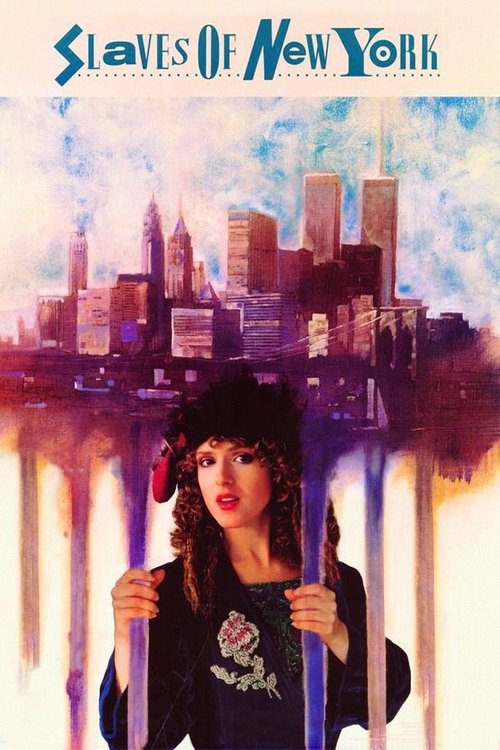
What is the significance of the character Eleanor in Slaves of New York?
How does the relationship between Eleanor and her boyfriend, Lionel, evolve throughout the film?
What role does the art scene in New York play in the lives of the characters?
How does the character of the art dealer, Mr. D, influence Eleanor's career?
What are the key challenges Eleanor faces as she tries to establish herself as an artist?
Should I watch it?
Ask Your Own Question

What is the plot?
Sorry, we aren't able to watch and write up a full detailed plot yet. Check back in a few days.








What is the ending?
In the ending of "Slaves of New York," the main character, Eleanor, finds herself at a crossroads in her life and career. After a series of struggles and disappointments, she ultimately decides to leave her tumultuous relationship with her boyfriend, the artist, and embrace her own artistic identity. The film concludes with Eleanor taking a step towards independence, symbolizing her growth and determination to pursue her passion.
Now, let's delve into the ending in a more detailed narrative fashion:
As the film approaches its conclusion, Eleanor, played by Bernadette Peters, is grappling with the emotional fallout of her relationship with her boyfriend, the struggling artist, and the pressures of the New York art scene. The atmosphere is thick with tension as she navigates her feelings of inadequacy and frustration.
In a pivotal scene, Eleanor attends an art show where her boyfriend's work is being displayed. The gallery is bustling with patrons, and the air is filled with a mix of excitement and pretentiousness. Eleanor stands on the periphery, feeling increasingly alienated as she watches her boyfriend bask in the attention of admirers. The camera captures her expressions of longing and disappointment, highlighting her internal conflict. She yearns for recognition and validation, not just as his partner but as an artist in her own right.
Later, Eleanor confronts her boyfriend about their relationship. The conversation is charged with emotion, revealing the cracks in their bond. He is dismissive of her aspirations, focused solely on his own success. This moment is crucial; Eleanor realizes that she has been sacrificing her own dreams for the sake of their relationship. The dialogue is raw and revealing, showcasing her frustration and his self-absorption.
Feeling suffocated, Eleanor decides to take a bold step. In a scene filled with resolve, she packs her belongings and prepares to leave. The camera lingers on her as she looks around their shared space, filled with remnants of their life together. There's a sense of finality in her actions, as she understands that leaving is not just about her relationship but about reclaiming her identity as an artist.
In the final moments of the film, Eleanor steps out into the vibrant streets of New York City. The bustling energy of the city contrasts with her earlier feelings of isolation. She walks with purpose, her expression shifting from uncertainty to determination. The city, with its chaotic beauty, symbolizes the possibilities that lie ahead for her.
As she walks, the film captures her newfound sense of freedom. The camera follows her through the streets, showcasing the art and culture that surround her. Eleanor's journey is one of self-discovery, and the ending emphasizes her commitment to pursuing her artistic dreams, independent of her past relationship.
The film concludes with a sense of hope and renewal. Eleanor's fate is one of empowerment; she is no longer defined by her relationship but by her own aspirations. The final shot leaves the audience with a lingering sense of possibility, as Eleanor embraces her future in the vibrant world of New York art.
In summary, the ending of "Slaves of New York" encapsulates Eleanor's transformation from a woman overshadowed by her partner's ambitions to an independent artist ready to carve her own path. The film closes on a note of optimism, suggesting that true fulfillment comes from within and that the pursuit of one's passion is a journey worth taking.
Is there a post-credit scene?
"Slaves of New York," produced in 1989, does not have a post-credit scene. The film concludes without any additional scenes or content after the credits roll. The story wraps up with the main characters reflecting on their lives and the challenges they face in the art world, leaving the audience with a sense of closure regarding their journeys.
What is the significance of the character Eleanor in Slaves of New York?
Eleanor is a struggling artist who embodies the challenges faced by creative individuals in New York City. Her journey reflects the emotional turmoil of pursuing art while dealing with financial instability and personal relationships. Throughout the film, she grapples with her identity as an artist and the sacrifices she must make to stay true to her vision.
How does the relationship between Eleanor and her boyfriend, Lionel, evolve throughout the film?
Eleanor and Lionel's relationship is central to the narrative, showcasing the tension between personal ambition and romantic commitment. Initially, they share a passionate connection, but as Eleanor's artistic aspirations clash with Lionel's more commercial approach to art, their relationship becomes strained. This conflict highlights Eleanor's struggle for independence and the sacrifices she must make for her art.
What role does the art scene in New York play in the lives of the characters?
The New York art scene serves as both a backdrop and a catalyst for the characters' ambitions and frustrations. It is depicted as a vibrant yet cutthroat environment where artists compete for recognition and success. The characters navigate this world, facing rejection and the pressure to conform, which ultimately shapes their personal and professional lives.
How does the character of the art dealer, Mr. D, influence Eleanor's career?
Mr. D is a pivotal figure in Eleanor's journey, representing the commercial side of the art world. His interest in her work offers her a glimpse of success, but it also forces her to confront the compromises she may have to make. His character embodies the tension between artistic integrity and the desire for commercial validation, impacting Eleanor's decisions and emotional state.
What are the key challenges Eleanor faces as she tries to establish herself as an artist?
Eleanor faces numerous challenges, including financial instability, the pressure to conform to market demands, and the emotional toll of her relationship with Lionel. She struggles with self-doubt and the fear of failure, which are exacerbated by the competitive nature of the New York art scene. These challenges drive her character development and highlight the sacrifices she must make to pursue her passion.
Is this family friendly?
"Slaves of New York," produced in 1989, is not considered family-friendly due to several potentially objectionable or upsetting scenes and themes. Here are some aspects that may be concerning for children or sensitive viewers:
-
Sexual Content: The film includes scenes that depict sexual situations and suggestive themes, which may not be appropriate for younger audiences.
-
Substance Use: There are instances of characters using drugs and alcohol, which could be troubling for sensitive viewers.
-
Emotional Turmoil: The characters experience significant emotional struggles, including feelings of inadequacy, jealousy, and existential crises, which may be heavy for younger viewers to process.
-
Artistic Struggles: The film portrays the harsh realities of the art world, including rejection and the pressure to succeed, which may be distressing for those sensitive to themes of failure and ambition.
-
Conflict and Tension: There are moments of interpersonal conflict and tension between characters that may be uncomfortable or upsetting.
These elements contribute to a mature tone that may not be suitable for children or those who are sensitive to such themes.