














Popular
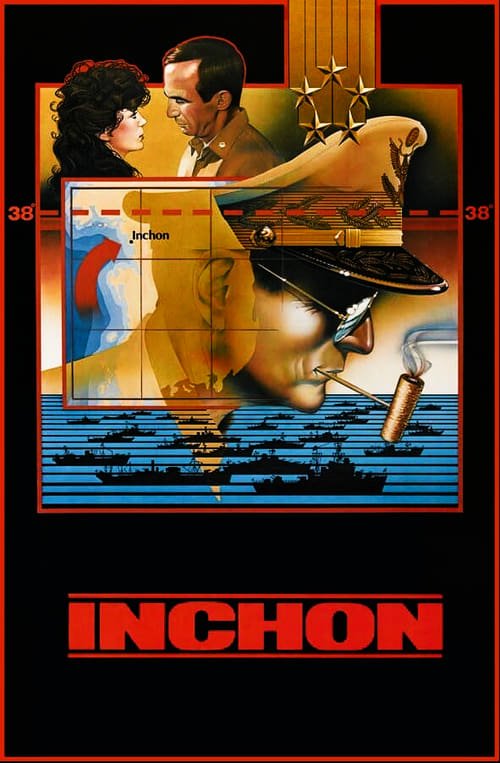
What role does General Douglas MacArthur play in the film Inchon?
How does the character of Kim Il-sung influence the events in Inchon?
What is the significance of the character of Captain Hwang in the story?
How does the film depict the planning and execution of the Inchon landing?
What are the key emotional moments for the character of Major General Edward Almond in Inchon?
Should I watch it?
Ask Your Own Question

What is the plot?
Sorry, we aren't able to watch and write up a full detailed plot yet. Check back in a few days.


What is the ending?
In the ending of "Inchon," General Douglas MacArthur leads a successful amphibious assault at Inchon during the Korean War. The operation is a pivotal moment that turns the tide against North Korean forces. However, the film concludes with a sense of tragedy as the war continues, and the personal sacrifices of the characters weigh heavily on their fates.
As the film progresses towards its conclusion, the tension builds around the impending assault on Inchon. The scene opens with General MacArthur, portrayed with a commanding presence, preparing for the operation. He is resolute, driven by a sense of duty and the weight of history on his shoulders. His internal conflict is palpable; he understands the stakes involved, not just for the military but for the lives of countless soldiers and civilians.
The night before the assault, the atmosphere is thick with anticipation. Soldiers gather, some sharing quiet moments with their comrades, while others express their fears and hopes. The camera captures the faces of young men, their eyes reflecting a mix of determination and trepidation. Among them is Captain John "Jack" McCoy, who embodies the spirit of the American soldier, grappling with the reality of war and the potential loss of life.
As dawn breaks, the operation commences. The scene shifts to the beach at Inchon, where the sound of gunfire and explosions fills the air. The landing craft surge forward, and soldiers leap into the fray, their faces set with grim determination. The chaos of battle is vividly portrayed, with the camera capturing the visceral intensity of combat. The stakes are high, and the characters are fully immersed in the struggle for survival.
In the midst of the battle, General MacArthur remains a steadfast figure, directing the operation with strategic precision. His leadership inspires the troops, and the tide begins to turn in favor of the United Nations forces. The North Korean defenses falter, and the soldiers push forward, reclaiming territory with each hard-fought inch.
However, amidst the victory, the film does not shy away from the cost of war. The aftermath of the battle reveals the devastation left in its wake. The camera pans over the battlefield, showcasing the fallen soldiers, both American and North Korean, highlighting the tragic loss of life. The emotional weight of these scenes is heavy, as the characters grapple with the reality of their actions and the consequences of the conflict.
As the dust settles, the film shifts focus to the fates of the main characters. General MacArthur stands amidst the ruins, reflecting on the victory but also the ongoing struggle. His expression is a mix of triumph and sorrow, understanding that while this battle has been won, the war is far from over. Captain McCoy, having survived the assault, is left to contemplate the cost of his service and the lives lost around him. His journey is one of survival, but it is tinged with the knowledge that the fight continues, and the scars of war will linger long after the guns fall silent.
The film concludes with a somber tone, emphasizing the complexities of war and the personal sacrifices made by those involved. The characters, though victorious in battle, are left to navigate the emotional and moral ramifications of their actions, underscoring the film's exploration of the human experience in the face of conflict.
Is there a post-credit scene?
The movie "Inchon," produced in 1981, does not have a post-credit scene. The film concludes without any additional scenes or content after the credits roll. The narrative wraps up with the events surrounding the Battle of Inchon during the Korean War, focusing on the strategic military operations and the personal stories of the characters involved. The ending emphasizes the historical significance of the battle and its impact on the war, leaving the audience with a sense of closure regarding the depicted events.
What role does General Douglas MacArthur play in the film Inchon?
General Douglas MacArthur is portrayed as a determined and strategic military leader who is pivotal in planning the Inchon landing during the Korean War. His character is depicted as confident and resolute, often reflecting on the weight of his decisions and the lives at stake. The film shows his interactions with other military leaders and his unwavering belief in the success of the operation, despite the risks involved.
How does the character of Kim Il-sung influence the events in Inchon?
Kim Il-sung is depicted as a fervent and ambitious leader of North Korea, whose decisions and ideologies drive the conflict. His character is shown as both charismatic and ruthless, believing in the superiority of his regime. His motivations stem from a desire to unify Korea under his rule, and his actions set the stage for the military confrontations that unfold in the film.
What is the significance of the character of Captain Hwang in the story?
Captain Hwang serves as a North Korean officer who grapples with his loyalty to his country and the moral implications of war. His character provides a personal perspective on the conflict, showcasing the internal struggles faced by soldiers. Hwang's motivations are rooted in his desire to protect his homeland, yet he is conflicted by the brutality of the war and the impact it has on civilians.
How does the film depict the planning and execution of the Inchon landing?
The film meticulously details the strategic planning of the Inchon landing, showcasing maps, military briefings, and the coordination between various branches of the armed forces. The execution is portrayed with intense action sequences, highlighting the chaos and bravery of the soldiers involved. The emotional stakes are high as characters face the uncertainty of battle, emphasizing their fears and hopes for a successful operation.
What are the key emotional moments for the character of Major General Edward Almond in Inchon?
Major General Edward Almond experiences several key emotional moments throughout the film, particularly as he navigates the complexities of military command and the pressure of the impending invasion. His character is often seen wrestling with doubt and the burden of leadership, especially when faced with the potential loss of his men. Almond's determination to follow through with the plan despite these fears showcases his commitment to the mission and the emotional toll it takes on him.
Is this family friendly?
"Inchon," produced in 1981, is a war film that depicts the events surrounding the Korean War, particularly the Battle of Inchon. While the film aims to portray historical events, it contains several elements that may not be suitable for children or sensitive viewers.
-
Violence and Warfare: The film includes scenes of battle, explosions, and military conflict, which can be intense and graphic. The depiction of soldiers in combat may be distressing.
-
Casualties and Death: There are moments that show the aftermath of battles, including injured and deceased soldiers, which can be upsetting.
-
Emotional Turmoil: Characters experience significant emotional distress due to the war, including fear, loss, and trauma, which may be difficult for younger audiences to process.
-
Political Tension: The film addresses themes of political conflict and the harsh realities of war, which may be complex and unsettling for children.
-
Mature Themes: The narrative explores themes of sacrifice, loyalty, and the moral dilemmas faced by individuals in wartime, which may be heavy for younger viewers.
Overall, due to its portrayal of war and the associated emotional and physical struggles, "Inchon" may not be considered family-friendly for younger audiences or those sensitive to such content.







