





Popular
What motivates the Giant to initially keep the children out of his garden?
How does the arrival of spring affect the Giant's garden?
What role does the character of the boy play in the Giant's transformation?
What is the significance of the wall that the Giant builds?
How does the Giant react when he finally allows the children back into his garden?
Should I watch it?
Ask Your Own Question

What is the plot?
Sorry, we aren't able to watch and write up a full detailed plot yet. Check back in a few days.
More Movies Like This
Browse All Movies →







What is the ending?
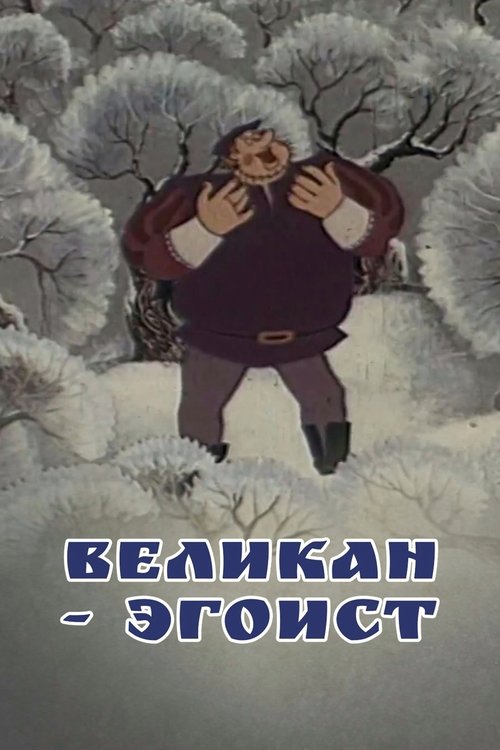
In the ending of "The Selfish Giant," the giant learns the value of kindness and selflessness. After a long winter, he finally allows children to play in his garden, which brings him joy. However, he finds a boy who is injured and helps him, realizing the importance of love and friendship. The giant ultimately dies peacefully, surrounded by the children he has come to cherish.
As the story unfolds towards its conclusion, the giant's transformation is evident. The once selfish giant, who had kept the children out of his garden, begins to feel the weight of his loneliness. The garden, which had been a place of perpetual winter due to his selfishness, starts to bloom again as he opens his heart.
Scene by scene, the narrative progresses:
The first scene of the ending begins with the giant observing the children playing in the garden from a distance. He watches them with a mix of longing and regret, realizing how much joy he has missed. The vibrant colors of the flowers and the laughter of the children contrast sharply with the coldness he had imposed on his surroundings.
In the next scene, the giant decides to let the children into his garden. As they rush in, their laughter fills the air, and the garden bursts into life. The giant, initially hesitant, feels a warmth spreading through him as he sees the children playing. He smiles for the first time in years, his heart softening as he joins them, sharing in their joy.
However, the mood shifts when the giant notices one boy who is not playing. This boy, small and frail, is sitting alone, looking sad. The giant approaches him, kneeling down to speak with him. The boy reveals that he is hurt and cannot play. The giant's heart aches for the child, and he gently lifts him up, carrying him to a safe place in the garden.
As the days pass, the giant continues to care for the children, but he becomes increasingly aware of the frailty of life. One day, he finds the injured boy again, this time in a more serious state. The giant's concern deepens, and he realizes how much he has come to love the children. He takes the boy in his arms, feeling a profound sense of responsibility and affection.
In the final scenes, the giant grows weaker. He sits in the garden, surrounded by the children, who are now playing joyfully around him. The once cold and selfish giant is now a figure of warmth and love. As he watches the children, he feels a deep sense of fulfillment, knowing he has changed for the better.
The climax arrives when the giant, feeling his time is near, lies down in the garden. The children gather around him, their faces filled with concern and love. The giant smiles, knowing he has finally found happiness through his selflessness. As he closes his eyes, he feels a sense of peace wash over him.
In his final moments, the giant passes away, surrounded by the laughter and love of the children he once kept away. The garden blooms more vibrantly than ever, symbolizing the joy that comes from kindness and connection. The children mourn his passing but also celebrate the love he shared with them.
The fate of the giant is one of redemption; he dies knowing he has transformed from a selfish being into a beloved figure. The children, who once faced rejection, now have a cherished memory of the giant who learned to love. The ending encapsulates the themes of love, redemption, and the importance of community, leaving a lasting impact on both the characters and the audience.
Is there a post-credit scene?
The movie "The Selfish Giant" produced in 1982 does not have a post-credit scene. The film concludes its narrative without any additional scenes after the credits roll. The story wraps up with a poignant ending that encapsulates the themes of selfishness, redemption, and the transformative power of love and sacrifice. The focus remains on the emotional resolution of the characters and the moral lessons conveyed throughout the film.
What motivates the Giant to initially keep the children out of his garden?
The Giant is motivated by a sense of ownership and selfishness, believing that his garden is a personal sanctuary that should not be disturbed. His desire for solitude and control over his space leads him to build a wall to keep the children out, reflecting his unwillingness to share joy and beauty with others.
How does the arrival of spring affect the Giant's garden?
The arrival of spring brings vibrant colors and life back to the garden, symbolizing the joy and innocence of childhood. The flowers bloom, the trees blossom, and the birds return, contrasting sharply with the desolation that the Giant's selfishness had created. This change serves as a catalyst for the Giant's eventual transformation.
What role does the character of the boy play in the Giant's transformation?
The boy, representing innocence and purity, plays a crucial role in the Giant's transformation. His presence in the garden brings warmth and joy, and the Giant's growing affection for him leads to a gradual change in his heart. The boy's vulnerability and kindness ultimately awaken the Giant's capacity for love and generosity.
What is the significance of the wall that the Giant builds?
The wall that the Giant builds serves as a physical and symbolic barrier between him and the outside world. It represents his selfishness and desire to isolate himself from the joy of the children. The wall not only keeps the children out but also prevents the beauty of nature from entering his life, illustrating the consequences of his actions.
How does the Giant react when he finally allows the children back into his garden?
When the Giant finally allows the children back into his garden, he experiences a profound sense of joy and fulfillment. His heart softens, and he begins to understand the importance of sharing and community. The laughter and play of the children fill the garden with life, and the Giant's transformation is complete as he embraces the happiness that comes from generosity.
Is this family friendly?
The Selfish Giant, produced in 1982, is a poignant adaptation of Oscar Wilde's story that explores themes of selfishness, redemption, and the consequences of one's actions. While it is a beautifully crafted film, it does contain some elements that may be considered objectionable or upsetting for children or sensitive viewers.
-
Isolation and Loneliness: The film portrays the emotional struggles of the main character, who experiences deep loneliness and isolation due to his selfishness. This theme may resonate strongly and evoke feelings of sadness.
-
Conflict and Anger: There are scenes depicting conflict between characters, including moments of anger and frustration that may be intense for younger viewers.
-
Consequences of Selfishness: The narrative illustrates the negative consequences of the Giant's selfish behavior, which may be distressing as it leads to emotional turmoil for both the Giant and the children affected by his actions.
-
Themes of Regret and Loss: The film delves into themes of regret and the pain of lost opportunities, which may be heavy for sensitive audiences.
-
Visual Imagery: Some scenes may include visual representations of the Giant's emotional state that could be interpreted as dark or unsettling.
Overall, while The Selfish Giant offers valuable lessons about kindness and community, its emotional depth and some darker themes may not be suitable for all children or sensitive viewers.






