

Popular
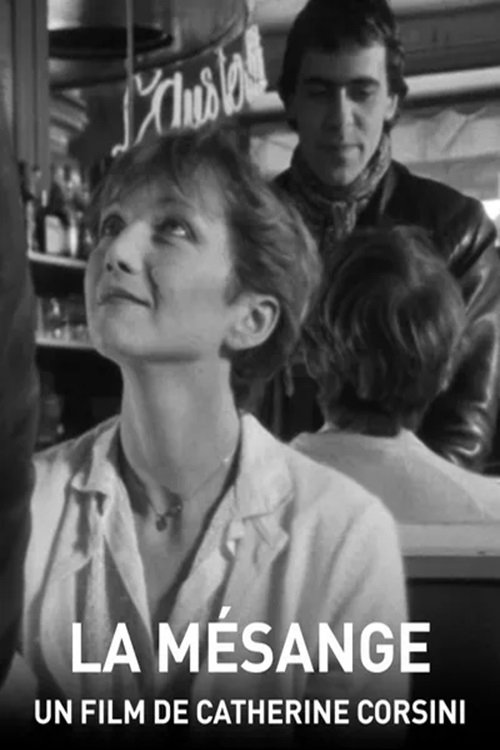
What is the significance of the character of the young girl in La Mésange?
How does the relationship between the protagonist and the elderly woman develop throughout the film?
What role does the setting play in the character's emotional journeys in La Mésange?
What are the key moments that lead to the protagonist's transformation in La Mésange?
How does the film depict the theme of communication between characters in La Mésange?
Should I watch it?
Ask Your Own Question

What is the plot?
Sorry, we aren't able to watch and write up a full detailed plot yet. Check back in a few days.





What is the ending?
In the ending of "La Mésange," the main character, a young girl named Marie, confronts her feelings of isolation and longing for connection. After a series of emotional encounters, she ultimately finds solace in her relationship with a small bird, symbolizing her desire for freedom and companionship. The film concludes with a poignant moment of acceptance and understanding, as Marie embraces her own identity and the beauty of her surroundings.
As the final scenes unfold, we see Marie standing alone in her room, the sunlight streaming through the window, casting soft shadows on the walls. She gazes out at the world beyond, her expression a mixture of hope and melancholy. The camera lingers on her face, capturing the subtle shifts in her emotions as she reflects on her journey.
In the next scene, Marie steps outside, the vibrant colors of nature surrounding her. She walks through a lush garden, the sounds of birds chirping filling the air. Her heart races as she approaches a small tree where she had previously discovered a nest. There, she finds a tiny bird, its feathers ruffled but alive. This moment is pivotal; it represents her connection to life and the world around her.
As she gently reaches out to the bird, her fingers trembling with both fear and excitement, we see a flash of determination in her eyes. She understands that this creature, much like herself, has faced struggles and yet continues to thrive. The bird flutters its wings, and in that instant, Marie feels a surge of empowerment. She realizes that she, too, can rise above her challenges.
The scene shifts to Marie's family, who have been distant and preoccupied throughout the film. They gather for a meal, the atmosphere tense and filled with unspoken words. Marie enters, her presence commanding attention. She shares her experience with the bird, her voice steady and filled with newfound confidence. Her family listens, their expressions shifting from indifference to curiosity.
In the final moments, Marie stands at the edge of the garden, the bird perched on her shoulder. She looks back at her family, a smile breaking across her face. This moment signifies her acceptance of herself and her place within her family. The camera pulls back, revealing the expansive landscape around them, symbolizing the possibilities that lie ahead.
As the credits roll, we see glimpses of Marie's life after this pivotal moment. She engages more with her family, her laughter echoing through the house. The bird remains a constant companion, a reminder of her journey toward self-acceptance and the importance of connection. Each character, including Marie's family, begins to open up, suggesting a hopeful future where understanding and love can flourish.
In summary, the ending of "La Mésange" encapsulates Marie's transformation from isolation to connection, highlighting the significance of embracing one's identity and the beauty of relationships, both with nature and with family.
Is there a post-credit scene?
La Mésange, produced in 1982, does not feature a post-credit scene. The film concludes its narrative without any additional scenes after the credits roll. The story wraps up with a poignant resolution that encapsulates the emotional journey of the characters, leaving the audience to reflect on the themes presented throughout the film. The absence of a post-credit scene aligns with the film's overall tone and intention, focusing on the depth of the characters' experiences rather than extending the narrative further.
What is the significance of the character of the young girl in La Mésange?
The young girl in La Mésange serves as a pivotal character who embodies innocence and curiosity. Her interactions with the adult characters reveal their complexities and emotional struggles. As she explores her surroundings, her perspective often contrasts with the adult world, highlighting themes of lost innocence and the harsh realities of life.
How does the relationship between the protagonist and the elderly woman develop throughout the film?
The relationship between the protagonist and the elderly woman evolves from initial wariness to a deep, emotional bond. Initially, the protagonist is hesitant and unsure of the elderly woman's intentions, but as they share experiences and stories, mutual understanding and compassion grow. This relationship becomes a central emotional anchor in the film, showcasing themes of connection and the passage of time.
What role does the setting play in the character's emotional journeys in La Mésange?
The setting in La Mésange, characterized by its lush landscapes and serene yet haunting atmosphere, plays a crucial role in reflecting the characters' emotional states. The natural beauty contrasts with the internal struggles of the characters, often mirroring their feelings of isolation, longing, and the search for meaning. Key scenes set in the woods or by the water amplify the characters' introspection and emotional revelations.
What are the key moments that lead to the protagonist's transformation in La Mésange?
The protagonist's transformation is marked by several key moments, including encounters with the elderly woman that challenge her perceptions of life and relationships. A pivotal scene occurs when the protagonist witnesses a moment of vulnerability in the elderly woman, prompting her to confront her own fears and insecurities. This moment of empathy catalyzes her growth, leading to a deeper understanding of herself and her place in the world.
How does the film depict the theme of communication between characters in La Mésange?
Communication in La Mésange is depicted through both verbal and non-verbal exchanges, highlighting the barriers and connections between characters. The protagonist often struggles to articulate her feelings, leading to moments of tension and misunderstanding. However, as the film progresses, gestures, shared silence, and small acts of kindness become powerful forms of communication, illustrating the depth of human connection beyond words.
Is this family friendly?
"La Mésange," produced in 1982, is a film that explores complex themes and emotional depths, which may not be suitable for all audiences, particularly children or sensitive viewers.
-
Emotional Turmoil: The film delves into themes of loss, longing, and existential reflection, which may be heavy for younger viewers to process.
-
Family Dynamics: There are scenes that portray strained family relationships, including conflict and emotional distress, which could be upsetting.
-
Isolation: The protagonist experiences feelings of isolation and loneliness, depicted through visual storytelling that may evoke sadness.
-
Intense Emotional Scenes: Certain moments may involve intense emotional expressions, such as crying or despair, which could be distressing for sensitive individuals.
-
Subtle Adult Themes: The film touches on adult themes that may not be appropriate for children, including complex relationships and personal struggles.
Overall, while "La Mésange" is a poignant narrative, its emotional weight and thematic depth may not be suitable for a family-friendly viewing experience.