




Popular
What inspired Beatrix Potter to create her beloved animal characters?
How does Beatrix's relationship with her parents influence her work?
What role does the character of Mr. McGregor play in Beatrix Potter's stories?
How does Beatrix Potter's relationship with her publisher evolve throughout the film?
What significance do the illustrations hold in Beatrix Potter's storytelling?
Should I watch it?
Ask Your Own Question

What is the plot?
Sorry, we aren't able to watch and write up a full detailed plot yet. Check back in a few days.









What is the ending?
In the ending of "The Tale of Beatrix Potter," Beatrix faces the challenges of her life as a writer and the impact of her beloved animal characters. She finds solace in her work and the countryside, ultimately deciding to continue her journey as an author, embracing her creativity and the legacy she wishes to leave behind.
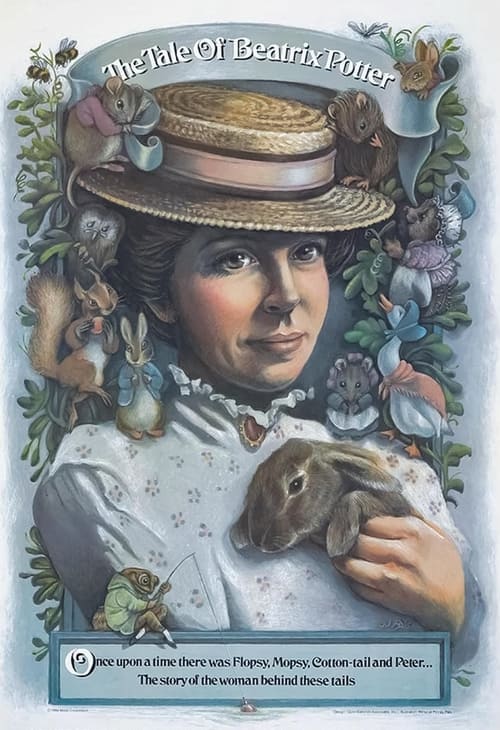
As the film approaches its conclusion, we see Beatrix Potter, portrayed with a blend of determination and vulnerability, reflecting on her life and the stories she has created. The narrative unfolds with her deep connection to the natural world and the characters she has brought to life, such as Peter Rabbit and Jemima Puddle-Duck.
Scene by scene, the ending begins with Beatrix in her quaint, rustic home, surrounded by the beauty of the Lake District. The camera captures the lush greenery and the gentle sounds of nature, emphasizing her bond with the environment that inspires her stories. She is seen sketching, her pencil moving fluidly across the paper, as she brings forth the whimsical characters that have become beloved by children and adults alike.
In a poignant moment, Beatrix reflects on her past, recalling the struggles she faced as a woman in a male-dominated publishing world. The film portrays her determination to be taken seriously as an author, despite the societal expectations of her time. This internal conflict is palpable as she grapples with self-doubt and the desire for recognition.
As the narrative progresses, we witness Beatrix's interactions with her family and friends, particularly her supportive but sometimes skeptical mother. Their conversations reveal the tension between Beatrix's aspirations and her family's traditional views. However, her mother ultimately comes to understand and appreciate Beatrix's passion for storytelling, symbolizing a shift in their relationship.
The climax of the film occurs when Beatrix receives a letter from a publisher expressing interest in her work. This moment is filled with a mix of excitement and anxiety, as she realizes that her dreams may finally be within reach. The scene is charged with emotion, showcasing her vulnerability and the weight of her ambitions.
In the final scenes, Beatrix is seen walking through the picturesque landscape, her heart full of hope and determination. The camera captures her serene expression as she embraces her identity as a writer. The film closes with a montage of her beloved characters coming to life, dancing across the screen, symbolizing the enduring legacy of her stories.
As the credits roll, we are left with a sense of fulfillment, knowing that Beatrix Potter has chosen to follow her passion, despite the obstacles she faced. The fate of each main character is intertwined with Beatrix's journey; her mother finds pride in her daughter's accomplishments, and the characters she created continue to inspire generations, solidifying Beatrix's place in literary history.
Is there a post-credit scene?
The movie "The Tale of Beatrix Potter," produced in 1983, does not contain a post-credit scene. The film concludes with a focus on Beatrix Potter's life and her journey as an author and illustrator, celebrating her love for nature and animals. The narrative wraps up without any additional scenes or content after the credits, maintaining the emotional resonance of her story and her legacy as a beloved children's author.
What inspired Beatrix Potter to create her beloved animal characters?
In the film, Beatrix Potter's inspiration comes from her childhood experiences in the English countryside, where she observes the animals around her. The film depicts her interactions with various creatures, such as rabbits and hedgehogs, which spark her imagination and lead her to create stories that reflect their personalities.
How does Beatrix's relationship with her parents influence her work?
Beatrix's relationship with her parents is strained, particularly with her mother, who disapproves of her artistic ambitions. This tension is portrayed through scenes where her mother dismisses her drawings and encourages her to conform to societal expectations. This conflict drives Beatrix to seek solace in her art, ultimately leading her to pursue her passion for storytelling.
What role does the character of Mr. McGregor play in Beatrix Potter's stories?
Mr. McGregor is depicted as a pivotal character in Beatrix's tales, representing the adult world's constraints and challenges. In the film, he is shown as a grumpy farmer who tries to capture Peter Rabbit, embodying the conflict between nature and human authority. His character serves as both an antagonist and a source of humor, illustrating the playful yet perilous adventures of Beatrix's animal protagonists.
How does Beatrix Potter's relationship with her publisher evolve throughout the film?
Initially, Beatrix faces skepticism from her publisher, who doubts the marketability of her stories. As the film progresses, her determination and unique storytelling style win him over. Their relationship evolves from one of doubt to mutual respect, culminating in the successful publication of her first book, which marks a turning point in her career and personal confidence.
What significance do the illustrations hold in Beatrix Potter's storytelling?
The film emphasizes the importance of Beatrix's illustrations, showcasing her meticulous attention to detail and her ability to bring her characters to life. Each illustration is portrayed as a window into her imagination, reflecting her emotional state and the whimsical nature of her stories. The visuals serve not only to enhance the narrative but also to express Beatrix's deep connection to the natural world.
Is this family friendly?
The Tale of Beatrix Potter (1983) is generally considered family-friendly, as it is a biographical portrayal of the beloved children's author and illustrator. However, there are a few scenes and themes that might be considered potentially objectionable or upsetting for very young children or sensitive viewers:
-
Loss and Grief: The film touches on themes of loss, particularly regarding Beatrix's relationship with her family and the impact of her mother's disapproval. This may evoke feelings of sadness.
-
Conflict with Authority: Beatrix faces disapproval from her parents, particularly her mother, which may resonate with children who have experienced similar conflicts.
-
Animal Death: There are references to the natural cycle of life and death, including the fate of some of the animals in her stories, which could be distressing for sensitive viewers.
-
Isolation: Beatrix experiences moments of loneliness and isolation, particularly in her childhood, which may be emotionally heavy for some children.
Overall, while the film is designed to celebrate Beatrix Potter's life and creativity, these elements may require parental guidance for younger audiences.