













Popular
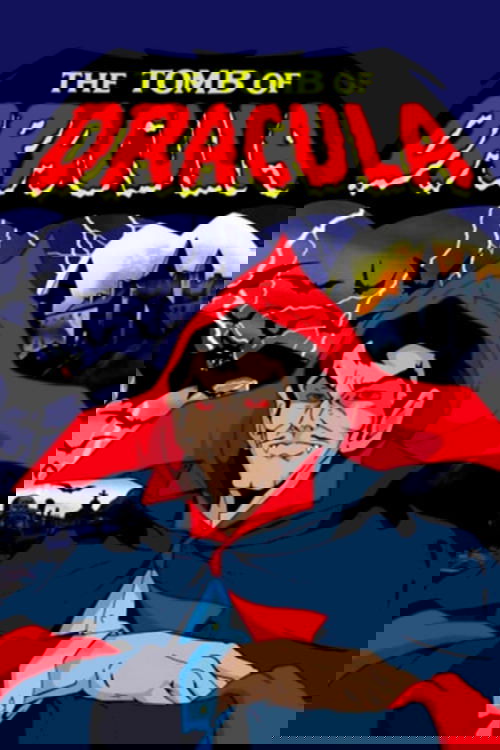
Who is the main antagonist in The Tomb of Dracula?
What is the significance of the character Frank Drake in the story?
How does Blade become involved in the conflict with Dracula?
What role does Rachel Van Helsing play in the narrative?
What is the relationship between Dracula and his brides in the film?
Should I watch it?
Ask Your Own Question

What is the plot?
Sorry, we aren't able to watch and write up a full detailed plot yet. Check back in a few days.



What is the ending?
In the ending of "The Tomb of Dracula," the climactic confrontation occurs between Dracula and the protagonists. The film culminates in a battle where Dracula is ultimately defeated, but not without significant sacrifice and loss among the characters. The fates of the main characters are sealed as they confront the dark forces at play.
As the final act unfolds, the atmosphere is thick with tension. The protagonists, led by the determined Quincy Harker, gather their strength for a final confrontation with the formidable Count Dracula. The setting is a dark, foreboding castle, its stone walls echoing with the whispers of the past and the weight of impending doom. The flickering candlelight casts long shadows, creating an eerie ambiance that heightens the sense of dread.
Quincy, fueled by a mix of vengeance and desperation, leads the charge. His heart is heavy with the memories of those lost to Dracula's insatiable thirst for blood, particularly the tragic fate of his beloved, who has fallen under the vampire's spell. As they navigate the castle's labyrinthine corridors, the group is acutely aware of the danger that lurks around every corner. Each creak of the floorboards and gust of wind sends shivers down their spines, a constant reminder of the malevolent presence they are about to face.
In a dimly lit chamber, the confrontation reaches its peak. Dracula, regal and terrifying, stands before them, his eyes glowing with an otherworldly hunger. The tension is palpable as Quincy and his allies prepare for battle. The air crackles with energy as they brandish their weapons, a mix of stakes and holy artifacts, symbols of their resolve to end Dracula's reign of terror.
The fight is fierce and chaotic. Dracula, with his supernatural speed and strength, proves to be a formidable opponent. He moves with a grace that belies his monstrous nature, evading attacks and retaliating with deadly precision. Quincy, driven by a blend of fear and determination, fights valiantly, but the odds seem stacked against them. The struggle is not just physical; it is a battle of wills, with each character grappling with their own fears and motivations.
As the fight rages on, one of Quincy's allies falls victim to Dracula's wrath, a poignant reminder of the stakes involved. The loss weighs heavily on Quincy, igniting a fierce resolve within him. He channels his grief into a final, desperate attempt to vanquish the vampire. In a climactic moment, Quincy manages to drive a stake through Dracula's heart, a moment that is both triumphant and tragic. The Count's expression shifts from arrogance to shock, and he crumbles into a pile of dust, his reign of terror finally at an end.
However, the victory comes at a great cost. The remaining characters are left to grapple with their losses and the emotional toll of their battle. Quincy, though victorious, is haunted by the sacrifices made along the way. The weight of his actions and the memories of those who fell linger in the air, a bittersweet reminder of the price of their triumph.
As the dust settles, the survivors emerge from the castle, forever changed by their harrowing experience. They stand together, united in their grief and relief, but the shadows of their past loom large. Each character is left to contemplate their future, knowing that while Dracula may be defeated, the scars of their battle will remain with them.
In the end, Quincy Harker, though a hero, is left with a heavy heart, burdened by the memories of loss and the realization that the fight against darkness is never truly over. The film closes on a somber note, emphasizing the enduring struggle between good and evil, and the sacrifices made in the name of love and justice.
Is there a post-credit scene?
The Tomb of Dracula, produced in 1980, does not feature a post-credit scene. The film concludes without any additional scenes or content after the credits roll. The narrative wraps up with the resolution of the main plot, focusing on the confrontation between Dracula and his adversaries, leaving no further developments or cliffhangers for the audience to ponder after the credits.
Who is the main antagonist in The Tomb of Dracula?
The main antagonist in The Tomb of Dracula is Count Dracula, a powerful and ancient vampire who seeks to expand his dominion and feed on the blood of the living.
What is the significance of the character Frank Drake in the story?
Frank Drake is a key character in The Tomb of Dracula; he is a descendant of Dracula and struggles with his heritage while also being drawn into the battle against the vampire's evil.
How does Blade become involved in the conflict with Dracula?
Blade, a half-vampire and vampire hunter, becomes involved in the conflict with Dracula as he seeks to eliminate the vampire threat and protect humanity from Dracula's reign of terror.
What role does Rachel Van Helsing play in the narrative?
Rachel Van Helsing is a determined and resourceful character who aids in the fight against Dracula, motivated by her family's legacy of hunting vampires and her personal vendetta against Dracula.
What is the relationship between Dracula and his brides in the film?
Dracula's brides serve as his loyal followers and extensions of his will; they are both seductive and deadly, embodying the allure and danger of vampirism as they assist him in his dark pursuits.
Is this family friendly?
The Tomb of Dracula, produced in 1980, is not considered family-friendly due to its themes and content. Here are some potentially objectionable or upsetting aspects that may affect children or sensitive viewers:
-
Graphic Violence: The film contains scenes of bloodshed and violence, including attacks by Dracula and his minions, which may be disturbing.
-
Horror Elements: The presence of supernatural creatures, particularly vampires, and the overall horror atmosphere can be frightening for younger audiences.
-
Death and Mortality: Themes surrounding death, resurrection, and the consequences of vampirism are prevalent, which may be unsettling.
-
Dark Themes: The film explores themes of obsession, betrayal, and the struggle between good and evil, which may be too intense for children.
-
Mature Relationships: There are elements of seduction and manipulation that may not be appropriate for younger viewers.
These aspects contribute to a tone that is more suitable for mature audiences rather than children.






