


Popular
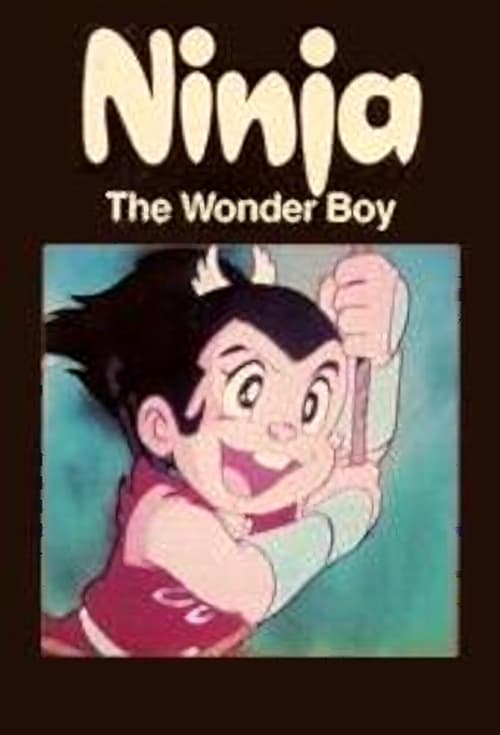
Who is the main character in Ninja the Wonder Boy and what motivates him throughout the film?
What role does the character of Master Yamada play in Billy's development?
What challenges does Billy face from his peers and how does he respond to them?
How does the film depict the training process of Billy as he learns to become a ninja?
What is the significance of the final confrontation in Ninja the Wonder Boy?
Should I watch it?
Ask Your Own Question

What is the plot?
Sorry, we aren't able to watch and write up a full detailed plot yet. Check back in a few days.
More Movies Like This
Browse All Movies →




What is the ending?
In the ending of "Ninja the Wonder Boy," the protagonist, a young boy named Billy, faces off against the villainous ninja, who has been terrorizing his town. With the help of his friends and his newfound ninja skills, Billy manages to defeat the ninja and save the day. The film concludes with a sense of triumph and camaraderie among the characters, as they celebrate their victory and the restoration of peace.
As the climax of "Ninja the Wonder Boy" unfolds, the scene is set in a dimly lit warehouse where the final confrontation between Billy and the evil ninja takes place. The atmosphere is thick with tension, the air crackling with anticipation. Billy, now fully embracing his identity as a ninja, stands resolute, his heart pounding with a mix of fear and determination. He knows that this battle is not just for him, but for his friends and the safety of his community.
The villain, cloaked in dark attire, emerges from the shadows, his presence imposing and menacing. The two engage in a fierce battle, showcasing their martial arts skills. Billy's movements are initially hesitant, but as the fight progresses, he draws on the training he has received and the support of his friends, who watch anxiously from a distance. Each strike and counterstrike is filled with emotion; Billy fights not only for victory but to prove to himself that he can be a hero.
As the fight intensifies, the villain taunts Billy, trying to undermine his confidence. However, Billy recalls the encouragement of his friends and the lessons he has learned throughout his journey. With a surge of courage, he executes a series of impressive moves, demonstrating his growth and mastery of the ninja arts. The turning point comes when Billy, using a clever tactic, manages to outsmart the ninja, catching him off guard and delivering a decisive blow.
With the villain defeated, the warehouse falls silent, the tension dissipating into a sense of relief. Billy stands over the fallen ninja, breathing heavily, his heart racing with the adrenaline of victory. His friends rush in, their faces lighting up with joy and pride. They embrace him, celebrating not just his triumph but the bond they share. The camaraderie among them is palpable, highlighting the importance of friendship and support in overcoming challenges.
As the scene shifts, the community gathers outside, where the news of Billy's bravery spreads. The townspeople express their gratitude, recognizing him as a hero. Billy, though still a young boy, feels a sense of accomplishment and belonging. The film closes with a montage of the characters enjoying their newfound peace, laughter echoing in the air, and a sense of hope for the future.
In the final moments, we see the fate of the main characters: Billy has transformed from a timid boy into a confident young hero, his friends stand by him, proud and supportive, and the villain, now defeated, is taken away, symbolizing the triumph of good over evil. The film ends on a high note, reinforcing the themes of bravery, friendship, and the belief that anyone can be a hero, regardless of their age or background.
Is there a post-credit scene?
"Ninja the Wonder Boy," produced in 1984, does not feature a post-credit scene. The film concludes with its final moments, wrapping up the story without any additional scenes or content after the credits roll. The focus remains on the resolution of the main plot and the character arcs, leaving no lingering threads or surprises for the audience to ponder after the film ends.
Who is the main character in Ninja the Wonder Boy and what motivates him throughout the film?
The main character in Ninja the Wonder Boy is a young boy named Billy, who is portrayed as an underdog with a passion for martial arts. His motivation stems from a desire to prove himself and gain the respect of his peers, particularly after being bullied. Billy's journey is fueled by his determination to train hard and become a skilled ninja, which he believes will help him overcome the challenges he faces.
What role does the character of Master Yamada play in Billy's development?
Master Yamada serves as a mentor to Billy, guiding him through his training in martial arts. He embodies wisdom and patience, recognizing Billy's potential despite his initial lack of skill. Master Yamada's encouragement and teachings help Billy build confidence and discipline, ultimately shaping him into the 'Wonder Boy' he aspires to be. Their relationship is pivotal, as it highlights the importance of guidance and support in personal growth.
What challenges does Billy face from his peers and how does he respond to them?
Billy faces significant challenges from a group of bullies who mock his aspirations and belittle his efforts in martial arts. Initially, he feels defeated and discouraged, but as he trains under Master Yamada, he learns to confront these challenges with resilience. Instead of retaliating with violence, Billy chooses to stand up for himself and demonstrate his newfound skills, which ultimately earns him respect and admiration from his peers.
How does the film depict the training process of Billy as he learns to become a ninja?
The film vividly depicts Billy's training process through a series of intense montages that showcase his physical and mental growth. He practices various martial arts techniques, engages in rigorous exercises, and learns the philosophy behind being a ninja. The training scenes are filled with dynamic visuals, including Billy performing flips, kicks, and meditation, all of which highlight his dedication and transformation from a timid boy to a confident martial artist.
What is the significance of the final confrontation in Ninja the Wonder Boy?
The final confrontation in Ninja the Wonder Boy is significant as it serves as the culmination of Billy's journey and growth. He faces off against the bullies who have tormented him, showcasing not only his physical skills but also his emotional maturity. This showdown is not just about winning a fight; it represents Billy's triumph over fear and self-doubt. The stakes are high, and the outcome solidifies his place as a respected figure among his peers, marking his transformation into the 'Wonder Boy'.
Is this family friendly?
"Ninja the Wonder Boy," produced in 1984, is generally considered a family-friendly film, but it does contain some elements that may be objectionable or upsetting for children or sensitive viewers.
-
Violence: The film features martial arts action, including fight scenes that may depict physical confrontations. While not excessively graphic, the portrayal of combat could be intense for younger audiences.
-
Bullying: There are scenes that involve bullying and intimidation, which may resonate negatively with children who have experienced similar situations.
-
Emotional Struggles: Characters face personal challenges and emotional turmoil, including feelings of inadequacy and the pressure to succeed, which could be distressing for some viewers.
-
Mild Language: There may be instances of mild language or insults used during confrontations, which could be inappropriate for very young children.
-
Tension and Suspense: Certain scenes may create a sense of tension or suspense that could be frightening for sensitive viewers, particularly during confrontations or when characters are in danger.
Overall, while the film aims to entertain and inspire, these elements may require parental guidance for younger audiences.







