






Popular
What role does the character of the narrator play in the film?
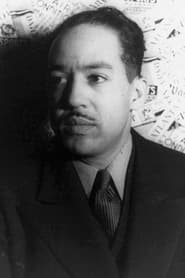
Who is Langston Hughes and why is he significant in the film?
How does the film depict the relationship between the characters and their search for love?
What is the significance of the party scene in the film?
How does the film portray the concept of memory and nostalgia?
Should I watch it?
Ask Your Own Question

What is the plot?
Sorry, we aren't able to watch and write up a full detailed plot yet. Check back in a few days.









What is the ending?
In the ending of "Looking for Langston," the film culminates in a series of poignant and dreamlike sequences that reflect on the legacy of Langston Hughes and the struggles of Black gay identity. The characters confront their desires, losses, and the haunting presence of Hughes, ultimately leading to a sense of acceptance and a celebration of their identities.
As the film draws to a close, the characters are seen in a series of evocative images that blend reality with fantasy. The protagonist, who has been searching for a connection to Langston Hughes, finds solace in the memories and the spirit of Hughes, symbolizing a bridge between the past and the present. The film ends with a sense of unity among the characters, as they embrace their identities and the shared experience of love and loss.
In a more detailed narrative of the ending:
The final scenes of "Looking for Langston" unfold in a dreamlike atmosphere, where the boundaries between reality and memory blur. The protagonist, who has been on a quest to understand and connect with the legacy of Langston Hughes, finds himself in a dimly lit space that feels both intimate and expansive. The air is thick with emotion, and the presence of Hughes looms large, as if he is guiding the characters through their reflections.
In one poignant moment, the protagonist stands alone, gazing at a photograph of Hughes. The image captures the essence of a man who lived boldly and authentically, and the protagonist's expression shifts from longing to a quiet acceptance. He realizes that the search for Langston is not just about the man himself but about the journey of self-discovery and the embrace of one's own identity.
As the scene transitions, the other characters appear, each embodying their own struggles and desires. They gather in a circle, their faces illuminated by soft, flickering light. There is a palpable sense of camaraderie as they share their stories, their laughter mingling with tears. Each character reflects on their experiences--some speak of love lost, others of the joy found in community. The atmosphere is charged with a mix of sorrow and celebration, as they honor both their individual journeys and their collective history.
The film intersperses these moments with visual poetry--images of the city, the night sky, and the vibrant energy of life. The characters dance and move with a sense of freedom, shedding the weight of societal expectations and embracing their true selves. The music swells, echoing the heartbeat of the community they represent.
As the film nears its conclusion, the protagonist stands once more before the photograph of Langston Hughes. He reaches out, as if to touch the image, and in that moment, he feels a connection that transcends time. The screen fades to black, leaving the audience with a lingering sense of hope and the understanding that the search for identity and belonging is an ongoing journey.
In the final moments, the characters are seen walking together, hand in hand, through the streets of the city. Their silhouettes are framed against the backdrop of a vibrant sunset, symbolizing the dawn of a new understanding and acceptance. Each character, having faced their fears and embraced their identities, walks forward into a future filled with possibility.
The film closes with a powerful reminder of the importance of community, love, and the legacy of those who came before. The fate of each character is one of resilience and empowerment, as they carry the spirit of Langston Hughes with them, forever changed by their experiences and united in their quest for authenticity.
Is there a post-credit scene?
Looking for Langston, produced in 1989, does not have a post-credit scene. The film concludes with a powerful and evocative ending that encapsulates its themes of longing, identity, and the exploration of Black queer culture. The narrative focuses on the life and legacy of the poet Langston Hughes, intertwining historical references with a contemporary exploration of desire and artistic expression. The film's conclusion leaves viewers with a poignant sense of reflection rather than a traditional post-credit moment.
What role does the character of the narrator play in the film?
The narrator serves as a guide through the film's exploration of Langston Hughes' legacy and the experiences of Black gay men in the 1920s. His reflections and poetic voice provide a personal connection to the themes of longing and identity.
Who is Langston Hughes and why is he significant in the film?
Langston Hughes is a central figure in 'Looking for Langston,' representing the Harlem Renaissance and the exploration of Black identity and sexuality. The film portrays him as an iconic poet whose work and life inspire the characters, reflecting their struggles and desires.
How does the film depict the relationship between the characters and their search for love?
The film illustrates the characters' yearning for connection and intimacy, often through dreamlike sequences that highlight their desires and frustrations. Their interactions are filled with a sense of longing, showcasing the complexities of love within the context of their identities.
What is the significance of the party scene in the film?
The party scene serves as a vibrant celebration of Black culture and sexuality, where characters express their identities freely. It contrasts with the more somber themes of isolation and longing, showcasing moments of joy and connection among the characters.
How does the film portray the concept of memory and nostalgia?
Memory and nostalgia are depicted through the characters' reflections on their pasts and their connection to Langston Hughes. The film uses visual motifs and poetic imagery to evoke a sense of longing for a time and place where they can fully embrace their identities.
Is this family friendly?
"Looking for Langston," produced in 1989, is a film that explores themes of race, sexuality, and the legacy of the Harlem Renaissance, particularly focusing on the poet Langston Hughes. While it is a significant work of art, it contains elements that may not be suitable for children or sensitive viewers.
Potentially objectionable or upsetting aspects include:
-
Sexual Content: The film features scenes that depict same-sex relationships and sexual encounters, which may be explicit and could be uncomfortable for younger audiences.
-
Nudity: There are instances of nudity that are presented in an artistic context, but they may still be considered inappropriate for children.
-
Themes of Racism and Identity: The film delves into complex themes surrounding racial identity and the struggles faced by Black individuals, which may be heavy and difficult for younger viewers to fully understand.
-
Emotional Intensity: The film captures a range of emotional states, including longing, despair, and the search for identity, which may resonate deeply and could be upsetting for sensitive individuals.
Overall, "Looking for Langston" is a thought-provoking film that addresses mature themes and may not be suitable for a family-friendly viewing experience.