











Popular
Who are the main characters Mariana and Samuel, and what motivates them to move to Vallvidrera?
What tragedy happens in the neighborhood, and how does it affect Mariana and Samuel?
What kind of community do Mariana and Samuel find in Vallvidrera?
How does the move in This Is Not Sweden relate to the couple’s past trauma?
What do Mariana and Samuel hope to achieve by changing where and how they live?
Should I watch it?
Ask Your Own Question

What is the plot?
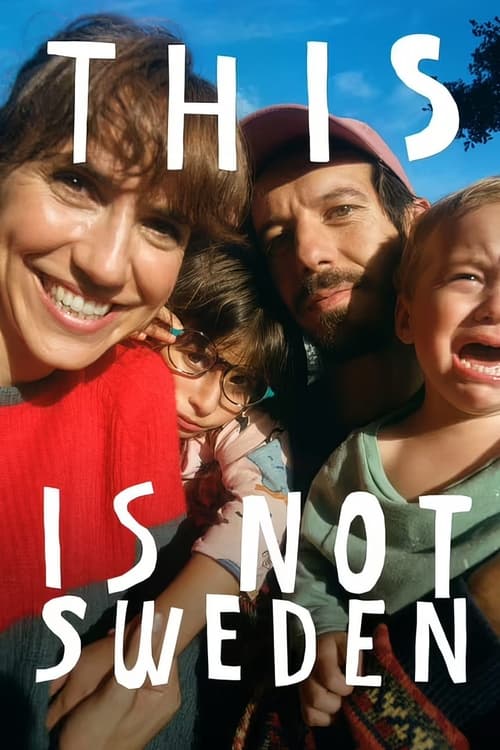
Mariana and Samuel leave Barcelona city life and move with their two children to Vallvidrera, a mountain neighborhood, because they want to raise them in a healthier, more authentic environment and stay far away from the painful childhoods that each of them carries with them.
Soon after arriving, they settle into the neighborhood and discover a community of people who seem to share the same values and the same desire for a more conscious, family-centered way of living. Across the street, they also notice what appears to be a model Scandinavian family, and that impression reassures them that they have chosen the right place to build their new life.
The central balance of their new life is shattered when a tragedy strikes the neighborhood. The event destroys the reassuring image of the community and forces Mariana and Samuel to confront how fragile their sense of safety really is.
As the consequences of the tragedy spread, their certainties begin to break down. Fear settles into the couple's daily life, and the place they chose to escape their past starts bringing them back toward the very anxieties and wounds they were trying to leave behind.
From that point on, the story follows the couple as their idealism is dismantled by what has happened around them. The neighborhood no longer feels like a protective refuge, and the tragedy pushes their private fears and unresolved histories closer to the surface.
The season ends with Mariana and Samuel still facing the emotional fallout of the tragedy and the collapse of their dream of a safe, authentic family life.







What is the ending?
The series ends with the neighborhood's promise of safety completely broken. Mariana and Samuel are left shaken, and the life they built around the idea of a better, more authentic childhood for their children is no longer secure.
Scene by scene, the ending moves from the couple's attempt to hold onto their ideals into the reality that fear has taken over their home. Mariana and Samuel first arrive in the mountain neighborhood believing they have found a better place to raise their children, and the community around them seems to confirm that hope. Then the tragedy strikes the neighborhood and the calm surface of that life cracks open; the sources describe the event as shocking and unexpected, and it shatters the couple's certainty. By the end, the emotional state of the story has changed completely: what had felt like a safe, intentional family project is now marked by doubt, fear, and proximity to the very pain they were trying to escape.
In terms of the main characters' fates, Mariana and Samuel remain at the center of the ending, and the available sources make clear that they are not given a neat resolution but are instead left in crisis at the close of the story. Their children are part of the life they are trying to protect, but the sources do not provide a detailed final outcome for each child beyond the fact that the family's shelter has been destabilized by the neighborhood tragedy. The series ends on that rupture, with the couple's beliefs shaken and their chosen world no longer feeling secure.
Is there a post-credit scene?
There is no evidence in the provided sources that This Is Not Sweden has a post-credit scene, and none of the available results describe one.
The most relevant source here is the series listing itself, which gives production and release information but does not mention any end-credits stinger or bonus scene. The other results are unrelated general or different-title pages, so they do not support the existence of a post-credit scene for this series.
If you want, I can help check whether any specific episode of This Is Not Sweden includes a mid-credits or post-credits tag.
Who are the main characters Mariana and Samuel, and what motivates them to move to Vallvidrera?
Mariana and Samuel are the central couple in This Is Not Sweden. They move with their children to Vallvidrera, a mountain neighborhood in Barcelona, because they want to raise their kids in a more authentic environment and get away from their own painful childhoods.
What tragedy happens in the neighborhood, and how does it affect Mariana and Samuel?
A tragedy shakes the neighborhood after the family has settled into the community, and it causes Mariana and Samuel's certainties to begin to falter. The event unsettles the ideal they built around the move and brings fear into their relationship and home life.
What kind of community do Mariana and Samuel find in Vallvidrera?
They find a community of people who share the same aspiration: trying to create a more authentic way of raising children and living. The neighborhood is portrayed as a place where others are also seeking distance from old wounds and a different kind of family life.
How does the move in This Is Not Sweden relate to the couple’s past trauma?
The move is directly tied to their effort to escape the painful childhoods they each experienced. Vallvidrera represents a place where they hope to build a safer, more intentional life, but the tragedy exposes how fragile that sense of escape really is.
What do Mariana and Samuel hope to achieve by changing where and how they live?
They hope to create a more authentic upbringing for their children and to stop repeating the patterns of their own pasts. Their decision is rooted in the desire to replace fear and pain with stability, community, and a different family identity.
Is this family friendly?
This Is Not Sweden is not especially family-friendly for young children, because it is a drama built around parenting stress, emotional strain, and a tragedy that unsettles the neighborhood.
Potentially upsetting or objectionable elements for children or sensitive viewers may include: - Intense emotional distress and sustained parental anxiety. - A tragic event that changes the atmosphere and creates fear and unease. - Mature themes involving childhood trauma, fear, and the pressures of raising children "the right way." - Possibly upsetting social tension and a generally тревious, bittersweet tone rather than light family viewing.
I did not find evidence in the available sources of explicit sex, graphic violence, or substance abuse details for this series, so the main concern is emotional heaviness rather than overtly graphic content.









