

















Popular
What is the significance of the owl in The Fourth Kind?
How does Dr. Abigail Tyler's personal tragedy influence her investigation?
What role do the video recordings play in the narrative?
How does the character of Sheriff August serve the plot?
What happens during Dr. Tyler's hypnosis sessions with her patients?
Should I watch it?
Ask Your Own Question

What is the plot?
Sorry, we aren't able to watch and write up a full detailed plot yet. Check back in a few days.









What is the ending?
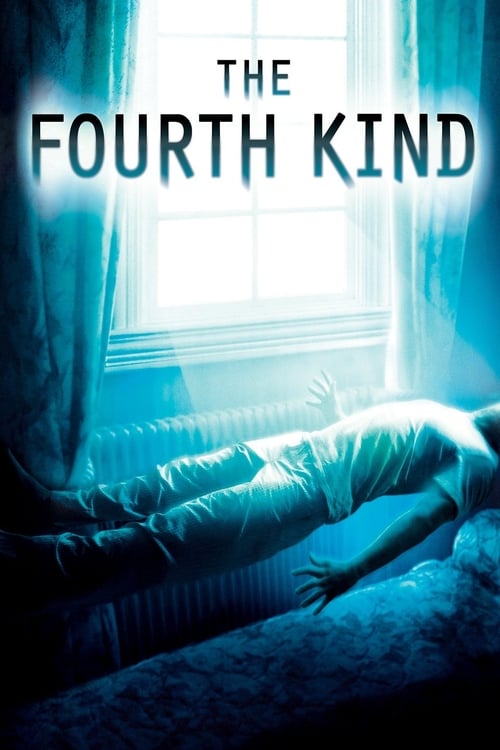
In the ending of "The Fourth Kind," Dr. Abigail Tyler confronts the terrifying truth about the alien abductions in Nome, Alaska. After a series of harrowing events, she experiences a personal encounter with the extraterrestrial beings. The film concludes with a chilling revelation about her fate and the fate of her family, leaving viewers with a sense of dread and uncertainty.
As the climax of the film unfolds, Dr. Abigail Tyler, portrayed by Milla Jovovich, is deeply entrenched in her investigation into the mysterious disappearances in Nome. The tension escalates as she reviews her recorded sessions with patients who have experienced similar abduction phenomena. The footage reveals their traumatic encounters, and Abigail becomes increasingly obsessed with uncovering the truth.
In a pivotal scene, Abigail decides to confront the source of her patients' terror. She sets up a recording session in her home, where she hopes to capture evidence of the alien presence. As she prepares, the atmosphere is thick with anxiety; the audience can feel her determination mixed with fear. The room is dimly lit, and the air is heavy with anticipation. Abigail's husband, who has been a source of support throughout her investigation, is revealed to have been a victim of the same alien encounters, which adds a personal stake to her quest.
During the session, Abigail experiences a terrifying encounter with the aliens. The lights flicker, and a chilling presence fills the room. The audience witnesses her transformation from a confident psychologist to a terrified individual grappling with the unknown. The camera captures her emotional turmoil as she screams and struggles against the unseen force. This moment is pivotal, as it marks her transition from a seeker of truth to a victim of the very phenomena she sought to understand.
As the scene progresses, Abigail's husband appears to be drawn into the chaos, and the audience learns that he has been missing for some time. The emotional weight of this revelation is palpable; Abigail's desperation to save him intensifies. The film intercuts between Abigail's current experience and archival footage of her earlier sessions, creating a haunting juxtaposition that emphasizes the cyclical nature of trauma and fear.
In the final moments, Abigail is left alone, grappling with the aftermath of her encounter. The film's narrative takes a dark turn as it becomes clear that the aliens have not only taken her husband but have also left her in a state of psychological disarray. The screen fades to black, and the audience is left with a sense of unresolved horror.
The fate of the main characters is grim. Abigail Tyler is left traumatized and isolated, her quest for truth leading her to a terrifying confrontation with the unknown. Her husband, who had been a source of strength, is lost to the alien forces, leaving her to face the consequences of her investigation alone. The film closes with a haunting reminder of the dangers of seeking knowledge that may be better left undiscovered, encapsulating the emotional and psychological toll of the events that transpired.
Is there a post-credit scene?
The Fourth Kind does not have a post-credit scene. The film concludes with its main narrative, focusing on the unsettling events surrounding Dr. Abigail Tyler, a psychologist in Nome, Alaska, who investigates a series of mysterious disappearances and alien abduction cases. The film ends on a tense note, leaving viewers with a sense of unease about the unknown and the implications of the experiences shared by the characters. There are no additional scenes or content after the credits that expand on the story or provide further resolution.
What is the significance of the owl in The Fourth Kind?
In The Fourth Kind, the owl serves as a recurring symbol associated with the alien abductions experienced by the residents of Nome, Alaska. Dr. Abigail Tyler, the protagonist, often sees an owl outside her window, which she later learns is linked to the traumatic experiences of her patients. The owl represents both a harbinger of the alien presence and a manifestation of fear, as it is often seen before abductions occur.
How does Dr. Abigail Tyler's personal tragedy influence her investigation?
Dr. Abigail Tyler's investigation into the mysterious disappearances in Nome is deeply influenced by her own personal tragedy--the death of her husband, Will. His death, which is shrouded in mystery, drives her to seek answers through her work. As she delves deeper into the cases of her patients, she becomes increasingly obsessed with uncovering the truth, which parallels her unresolved grief and the need for closure regarding her husband's death.
What role do the video recordings play in the narrative?
The video recordings in The Fourth Kind are crucial to the narrative as they provide a visual and auditory representation of the alien encounters experienced by Dr. Tyler's patients. These recordings serve as evidence of the phenomena she is investigating, showcasing the intense emotional and psychological turmoil of her patients during their sessions. They also create a sense of authenticity and urgency, as viewers witness the terrifying experiences firsthand, blurring the lines between reality and the supernatural.
How does the character of Sheriff August serve the plot?
Sheriff August plays a pivotal role in The Fourth Kind as he represents the skeptical voice against Dr. Tyler's theories about alien abductions. Initially, he is dismissive of her claims, viewing them as a potential threat to the community's stability. However, as the investigation unfolds and more evidence surfaces, he becomes increasingly involved, ultimately supporting Dr. Tyler. His character arc reflects the tension between belief and skepticism, highlighting the struggle to confront the unknown.
What happens during Dr. Tyler's hypnosis sessions with her patients?
During Dr. Tyler's hypnosis sessions with her patients, she guides them to recall their traumatic experiences related to alien abductions. These sessions reveal disturbing memories, often accompanied by intense emotional reactions, such as fear and confusion. The patients describe vivid encounters with extraterrestrial beings, often involving physical examinations and feelings of helplessness. These sessions not only serve to uncover the truth behind the disappearances but also lead to Dr. Tyler's own terrifying experiences, blurring the line between her professional and personal life.
Is this family friendly?
"The Fourth Kind" is not considered family-friendly due to its intense themes and disturbing content. Here are some potentially objectionable or upsetting aspects that may affect children or sensitive viewers:
-
Depictions of Abduction: The film explores themes of alien abduction, which can be frightening and unsettling, particularly for younger audiences.
-
Psychological Trauma: Characters experience significant emotional distress, including fear, anxiety, and trauma related to their experiences, which may be distressing to viewers.
-
Graphic Imagery: There are scenes that depict violence and distressing situations, including the aftermath of traumatic events.
-
Use of Real Footage: The film incorporates real audio recordings and footage that can be jarring and may evoke strong emotional reactions.
-
Themes of Isolation and Despair: The narrative delves into feelings of isolation, hopelessness, and existential dread, which may be heavy for sensitive viewers.
-
Nightmares and Hallucinations: Characters experience terrifying nightmares and hallucinations, which can be disturbing and may provoke fear.
Overall, the film's exploration of fear, trauma, and the unknown makes it more suitable for mature audiences.








