










Popular
Why does Sakari get the callback instead of Roni at the audition, and does he hide that from his brother?
How do Roni and Sakari end up starting their own dance club?
What causes the conflict between Roni and Sakari once the club becomes successful?
Who are Roni and Sakari in Dance Brothers, and what is their relationship like at the start?
What role does their mother play in the brothers’ situation early in the story?
Should I watch it?
Ask Your Own Question

What is the plot?
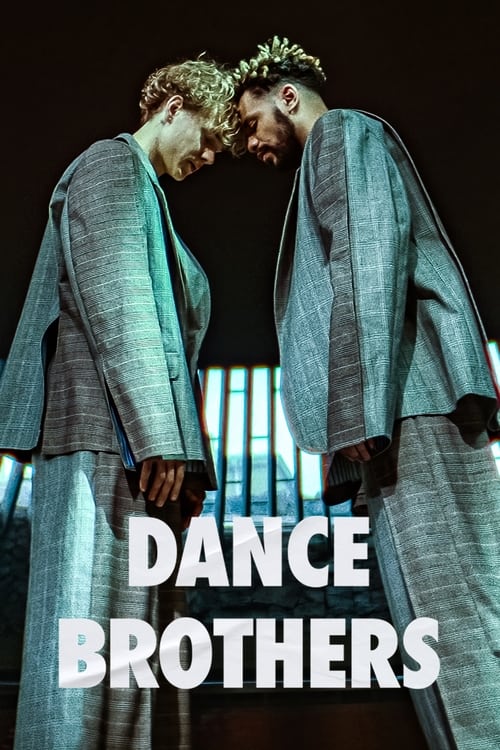
Roni and Sakari Luoto are introduced as two brothers who have been trying for years to break into the dance world, moving and performing together as a tight creative pair while facing pressure at home and in their careers. They fail to properly register for a major audition, but they go onstage anyway, and only Sakari is invited back for the callback, which immediately creates the first fracture between the brothers because Sakari hides that result from Roni instead of telling him the truth.
After the audition failure, the brothers are still under strain from their mother, who is threatening to kick them out if they do not find stability and money soon. At the same time, their ambitions pull them deeper into the city's nightlife and dance scene, and they become involved in a violent encounter that changes the direction of their lives and leads them toward a benefactor who can give them access to resources and space.
With that support, the brothers decide to open their own club. The club becomes both their opportunity and their trap: they now have a venue, a platform, and a way to build a reputation, but they also have to turn artistic instincts into a functioning business while keeping the relationship between them intact.
As the club starts to succeed, the brothers' performances and personalities begin to pull in different directions. Their creative bond, which had once been their strength, turns into a source of conflict as the pressures of running the club force them to make choices about money, control, loyalty, and what kind of artists they want to be.
Roni becomes increasingly aware that the path they are on is changing them, and the season widens their personal circle by bringing back old relationships and revealing how the club's rise affects everyone around them. Sakari's earlier decision to hide the callback deepens the tension between the brothers, because the deception sits underneath everything they do afterward, even when they are still working side by side.
By the end of the season, the club has given them fame and momentum, but it has also pushed their relationship into open strain, with their artistic drive now directly clashing with the business they created. The story closes with the brothers still bound together by their shared project, but their future as partners is left unstable because the very thing they built to save themselves has become the force that threatens to split them apart.








What is the ending?
Roni and Sakke end the story with a successful performance that launches them toward a world tour, but the ending also makes clear that the brothers are no longer moving through the season in the same way; Roni finally allows Sakke to lead, and their partnership survives only after a long stretch of conflict.
In the final stretch, the brothers' club and dance career have already pushed them into fame, but that success has been tied to pressure, artistic conflict, and the strain of keeping both the business and their relationship together. The ending resolves that tension through performance: they deliver one last strong show, and that show becomes the turning point that opens the door to a bigger career.
Chronologically, the ending plays out like this: the brothers reach the stage for a performance that succeeds enough to change their future. Roni, who has often been the more dominant force in the partnership, lets Sakke take the lead this time. That shift matters because the story has been built around their struggle over control, creativity, and how much each brother is willing to sacrifice for the act they have built together.
By the end, Sakke's future is tied to that successful performance and the world tour that follows from it. Roni's fate is also tied to the same success, but the ending specifically shows him stepping back and allowing his brother more room, which marks the final state of their relationship at the close of the season. The series ends with both brothers still active together as performers, now moving forward on a larger stage rather than breaking apart.
Is there a post-credit scene?
I could not find any reliable source indicating that Dance Brothers has a post-credit scene, and the available results do not describe one.
Based on the way the series is discussed in reviews and listings, it appears to be a standard Netflix drama release rather than a title known for credit-coda scenes.
So, the safest answer is: there is no documented post-credit scene for Dance Brothers, or at least none that has been reported in the sources available here.
Why does Sakari get the callback instead of Roni at the audition, and does he hide that from his brother?
Sakari is the only brother who is included in the callback after they both take the stage at a major audition they had failed to register for, and he does pretend otherwise to Roni afterward. The review specifically notes that the two brothers miss the official registration, perform anyway, and then Sakari receives the callback while concealing that fact from Roni as they struggle to launch their careers and avoid being kicked out of their home.
How do Roni and Sakari end up starting their own dance club?
They are pushed into opening the club after a violent encounter leads them to their benefactor, and the brothers already have the resources, the skills, and the need for both housing and income. Sources describe them as two brothers struggling to make it in professional dance who set up their own club in Helsinki's industrial area, which then becomes popular.
What causes the conflict between Roni and Sakari once the club becomes successful?
Their conflict grows from the clash between their artistic ambitions and the business demands of running the club. Multiple sources say their artistry and personal relationship begin to clash over the season, and that artistic drive soon threatens the business and their relationship.
Who are Roni and Sakari in Dance Brothers, and what is their relationship like at the start?
Roni and Sakari are the two brothers at the center of the series, portrayed by Roderick Kabanga and Samuel Kujala. They are described as close, as having most often worked and performed as a creative unit, and as brothers and friends trying to survive the pressures of contemporary dance together.
What role does their mother play in the brothers’ situation early in the story?
Their mother is part of the pressure on them to succeed, because the brothers are threatened with being kicked out of their home by her while they are trying to launch their careers. That housing pressure is part of what drives them toward taking risks and pursuing the club as a way to secure resources and stability.
Is this family friendly?
No, Dance Brothers is not especially family friendly; it is rated TV-MA, which signals mature content rather than a kid-oriented show.
Potentially objectionable or upsetting elements mentioned in reviews and series listings include: - Verbal abuse and harsh language in relationship conflicts. - Misogynistic treatment of women, including slut-shaming and degrading behavior toward female characters. - A character described by a reviewer as a sexual predator, which may indicate predatory or coercive sexual behavior themes. - A generally gritty, off-putting tone with heavy drama rather than lighthearted entertainment. - Relationship and business conflict, emotional volatility, and tense confrontations that may be stressful for sensitive viewers.
If you want, I can also give you a very short "safe for teens?" recommendation based on the same sources.









