

















Popular
What motivates the main character, Gana, to seek revenge throughout the film?
How does Gana's relationship with his sister influence his actions in the film?
What role does the character of the police officer play in Gana's quest for justice?
What are the key obstacles Gana faces while trying to uncover the truth behind his sister's murder?
How does the film depict the theme of brother-sister relationships through Gana's character arc?
Should I watch it?
Ask Your Own Question

What is the plot?
Sorry, we aren't able to watch and write up a full detailed plot yet. Check back in a few days.


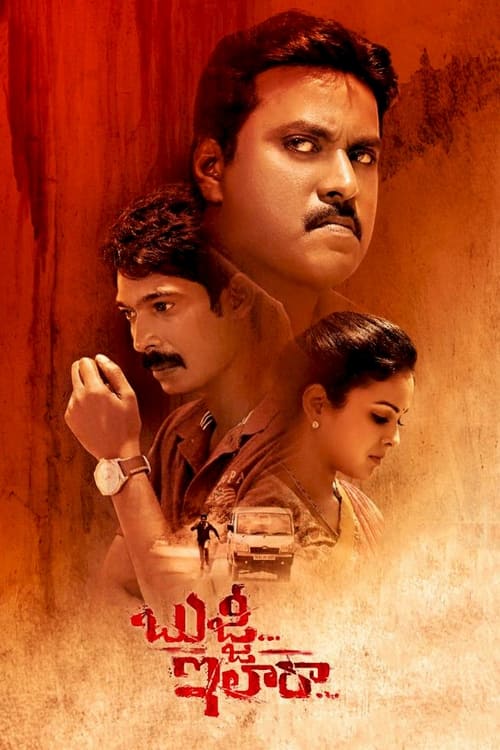
What is the ending?
In the ending of "Aswathama," the protagonist, Gana, confronts the antagonist, who is revealed to be a close acquaintance. After a tense showdown, Gana manages to defeat him, bringing justice for the wrongs committed against his sister. The film concludes with Gana reflecting on the events, emphasizing the importance of family and the consequences of one's actions.
Now, let's delve into the ending in a more detailed narrative fashion:
As the climax of "Aswathama" unfolds, Gana, portrayed with a mix of determination and anguish, finds himself in a dimly lit warehouse, the air thick with tension. The atmosphere is charged as he faces off against the antagonist, who has been revealed to be his friend, a betrayal that cuts deep. The warehouse, filled with shadows and echoes, serves as a stark backdrop for their confrontation.
Gana's heart races, fueled by a blend of anger and sorrow. He recalls the trauma his sister endured, the pain etched on her face, and the helplessness he felt. This memory ignites a fierce resolve within him. The antagonist, smirking with a sense of superiority, taunts Gana, attempting to justify his actions. The dialogue is sharp, filled with accusations and denials, as Gana struggles to comprehend how someone he trusted could commit such heinous acts.
The fight begins, a brutal exchange of blows that showcases Gana's physical prowess and emotional turmoil. Each punch he throws is not just a strike against his opponent but a release of the pent-up rage and grief he has carried since his sister's ordeal. The choreography of the fight is intense, with Gana using his surroundings to his advantage, showcasing his resourcefulness and determination.
As the battle rages on, Gana's internal conflict becomes palpable. He grapples with the desire for vengeance versus the need for justice. The warehouse, once a place of camaraderie, now symbolizes betrayal and loss. With each strike, Gana channels his pain into a relentless pursuit of justice, embodying the film's theme of familial loyalty.
Finally, in a climactic moment, Gana gains the upper hand. He disarms the antagonist, pinning him to the ground. The antagonist, now vulnerable, pleads for mercy, revealing his own fears and insecurities. Gana, breathing heavily, stands over him, the weight of his sister's suffering heavy on his shoulders. In this moment, he realizes that true strength lies not in revenge but in the ability to rise above the pain.
With a final, decisive move, Gana delivers a blow that incapacitates the antagonist, ensuring he can no longer harm anyone. As the dust settles, Gana stands amidst the wreckage, a mix of relief and sorrow washing over him. He has avenged his sister, but the victory feels bittersweet. The warehouse, once a battleground, now serves as a reminder of the cost of violence.
In the aftermath, Gana returns home, where he finds his sister recovering, surrounded by family. The emotional reunion is poignant, filled with unspoken words and shared understanding. Gana's eyes reflect a mixture of pain and hope, as he embraces her, vowing to protect her from any future harm.
The film concludes with Gana standing outside, looking up at the night sky. The stars twinkle above, symbolizing the possibility of healing and new beginnings. He reflects on the journey he has taken, the sacrifices made, and the importance of family bonds. The final shot lingers on his face, a blend of determination and hope, as he steps forward into an uncertain future, ready to face whatever comes next.
In summary, Gana emerges as a changed man, having confronted his demons and avenged his sister. The antagonist faces the consequences of his actions, while Gana's sister begins her healing process, surrounded by the love of her family. The film closes on a note of resilience, emphasizing the enduring strength of familial ties amidst adversity.
Is there a post-credit scene?
In the movie "Aswathama," there is indeed a post-credit scene that adds an intriguing layer to the narrative. After the main credits roll, the scene opens with a dimly lit room where a group of men are gathered around a table, discussing the events that have transpired throughout the film. The atmosphere is tense, filled with a sense of foreboding.
As the camera pans, it focuses on one of the men, who is revealed to be a key antagonist from the story. He is seen making a phone call, his expression a mix of anger and determination. He speaks in hushed tones, indicating that he is plotting further actions against the protagonist, Gana, played by Naga Shaurya. The conversation hints at a larger conspiracy and suggests that the conflict is far from over.
The scene closes with a close-up of the antagonist's face, a sinister smile creeping across his lips as he hangs up the phone. This moment leaves the audience with a sense of anticipation and dread, implying that Gana will face new challenges in the future, setting the stage for potential sequels or further developments in the storyline. The post-credit scene effectively reinforces the themes of revenge and the ongoing battle between good and evil, leaving viewers eager for more.
What motivates the main character, Gana, to seek revenge throughout the film?
Gana, portrayed by Naga Shaurya, is driven by a deep sense of justice and personal loss. After his sister is brutally murdered, he is consumed by grief and anger. His motivation intensifies as he uncovers the dark truths behind her death, leading him to take matters into his own hands. Gana's emotional turmoil is palpable as he grapples with his desire for vengeance while also trying to protect those he loves.
How does Gana's relationship with his sister influence his actions in the film?
Gana's relationship with his sister is central to the narrative. Their bond is depicted through flashbacks that showcase their playful interactions and deep affection. Her murder shatters Gana's world, and he feels a profound sense of responsibility to avenge her death. This emotional connection drives him to confront the antagonists, and his memories of her serve as both motivation and a haunting reminder of his loss.
What role does the character of the police officer play in Gana's quest for justice?
The police officer, played by a supporting character, serves as both an ally and a foil to Gana. Initially, the officer is skeptical of Gana's claims and methods, representing the law's limitations. However, as Gana's investigation unfolds, the officer becomes more involved, providing crucial information and support. This dynamic highlights the tension between legal justice and personal vengeance, as Gana often operates outside the law to achieve his goals.
What are the key obstacles Gana faces while trying to uncover the truth behind his sister's murder?
Gana encounters several obstacles, including the powerful individuals involved in his sister's death, who are willing to go to great lengths to protect their secrets. He faces physical threats, deception, and betrayal from those he thought he could trust. Each confrontation tests his resolve and pushes him further into a world of violence and moral ambiguity, forcing him to confront not only his enemies but also his own ethical boundaries.
How does the film depict the theme of brother-sister relationships through Gana's character arc?
The film intricately weaves the theme of brother-sister relationships into Gana's character arc. His deep love and protective instincts for his sister are established early on, making her loss all the more devastating. As Gana embarks on his quest for revenge, flashbacks reveal their close bond, emphasizing his emotional struggle. The film portrays his journey as not just a quest for vengeance but also a means of honoring her memory, showcasing the profound impact of familial love on his choices.
Is this family friendly?
"Aswathama," produced in 2020, is primarily an action thriller that contains several elements that may not be suitable for children or sensitive viewers. Here are some potentially objectionable or upsetting aspects:
-
Violence: The film features intense action sequences, including hand-to-hand combat and weapon use, which may be graphic and unsettling for younger audiences.
-
Murder and Crime: The plot revolves around a series of murders and criminal activities, which are depicted in a serious and dramatic manner.
-
Emotional Trauma: Characters experience significant emotional distress, including themes of betrayal, loss, and revenge, which may be heavy for younger viewers to process.
-
Dark Themes: The narrative explores themes of vengeance and justice, which can be intense and may not resonate well with children.
-
Mature Language: There are instances of strong language that may not be appropriate for younger audiences.
Overall, while "Aswathama" is an engaging thriller, its content may be more suitable for older teens and adults rather than children.









