




















Popular
How do the relationships between the main characters evolve throughout the film?
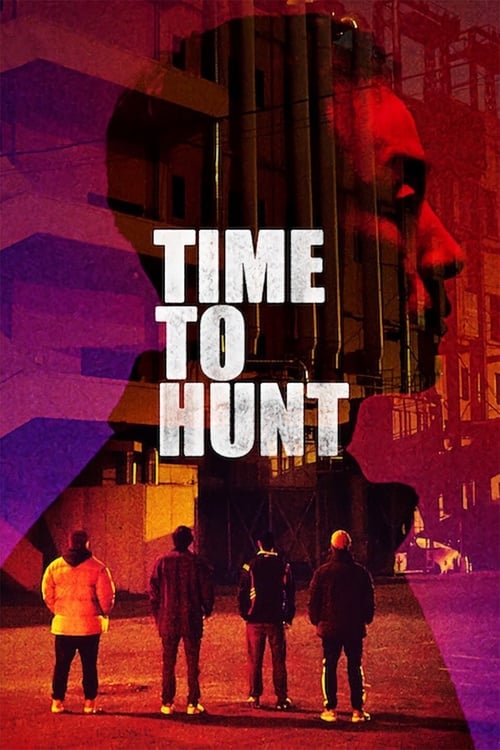
What motivates the main characters to plan the heist in Time to Hunt?
How does the character of the hitman, played by Park Hae-il, influence the story?
What role does the setting play in the characters' decisions and actions?
What are the consequences of the heist for the characters involved?
Should I watch it?
Ask Your Own Question

What is the plot?
Sorry, we aren't able to watch and write up a full detailed plot yet. Check back in a few days.



What is the ending?
In the ending of "Time to Hunt," the film culminates in a tense confrontation between the main characters and the relentless pursuer. The fate of the characters is grim, with significant losses and a sense of hopelessness prevailing.
As the film draws to a close, the remaining characters face the consequences of their choices, leading to a tragic resolution that underscores the themes of desperation and survival.
The final act of "Time to Hunt" begins with the remaining trio of friends--Joon-seok, Ki-hoon, and Sang-soo--hiding out in an abandoned building after a series of harrowing encounters with the relentless assassin, a man known only as the "hunter." The atmosphere is thick with tension as they realize that their plan to escape the city has been thwarted. The weight of their decisions hangs heavily on them, and the fear of being discovered looms large.
In a dimly lit room, Joon-seok, the leader of the group, grapples with the reality of their situation. He feels the burden of responsibility for his friends, especially as they have already lost one member, the impulsive and reckless character, who fell victim to the hunter's merciless pursuit. Joon-seok's internal conflict is palpable; he is torn between the desire to protect his friends and the growing realization that their chances of survival are dwindling.
As night falls, the tension escalates. The hunter, portrayed as a cold and calculating figure, methodically tracks the trio. His presence is felt even when he is not seen, creating an atmosphere of dread. The friends attempt to devise a plan to confront him, but their discussions are fraught with anxiety and despair. Ki-hoon, who has been struggling with his own fears, becomes increasingly agitated, questioning whether they should continue to fight or surrender to their fate.
In a pivotal moment, the group decides to split up in an attempt to confuse the hunter. Joon-seok and Ki-hoon take one route while Sang-soo goes another way, hoping to create a distraction. This decision is fraught with tension, as they know it could lead to their downfall. The emotional stakes are high, and the fear of losing another friend weighs heavily on them.
As the chase unfolds, the film captures the frantic energy of their escape. Joon-seok and Ki-hoon navigate through the darkened streets, their hearts racing as they hear the hunter's footsteps echoing behind them. The cinematography emphasizes their desperation, with close-ups of their faces reflecting a mix of determination and terror.
Meanwhile, Sang-soo finds himself cornered by the hunter. In a heart-stopping moment, he confronts the assassin, trying to buy time for his friends. The encounter is brutal and swift, showcasing the hunter's ruthless efficiency. Sang-soo's fate is sealed as he becomes another casualty in the hunter's relentless pursuit, leaving Joon-seok and Ki-hoon to grapple with the loss of their friend.
The climax reaches its peak when Joon-seok and Ki-hoon regroup, only to find themselves trapped in a final confrontation with the hunter. The tension is palpable as they realize that their options are running out. In a desperate bid for survival, Joon-seok makes a bold move, confronting the hunter directly. The ensuing struggle is intense, filled with raw emotion as Joon-seok fights not just for his life but for the memory of his fallen friends.
In the end, the film leaves viewers with a haunting sense of inevitability. Joon-seok's fate is ambiguous, as the screen fades to black amidst the chaos of the final confrontation. Ki-hoon, left to grapple with the aftermath, is left alone, burdened by the weight of loss and the choices that led them to this tragic end.
The film concludes with a stark reminder of the consequences of desperation and the lengths to which individuals will go to survive, leaving a lingering sense of hopelessness and the harsh realities of their world.
Is there a post-credit scene?
In the movie "Time to Hunt," there is no post-credit scene. The film concludes its narrative without any additional scenes after the credits roll. The story wraps up with a tense and emotional climax, leaving the audience with a sense of closure regarding the fates of the main characters. The focus remains on the intense journey and the moral dilemmas faced throughout the film, rather than extending the story further in a post-credit sequence.
How do the relationships between the main characters evolve throughout the film?
The relationships between Jun-seok, Ki-hoon, and Jae-ho are initially characterized by camaraderie and shared dreams. However, as the heist unfolds and the threat from the hitman intensifies, tensions rise. Trust is tested, and the characters' motivations clash, leading to moments of betrayal and sacrifice that ultimately reshape their bonds and reveal their true natures.
What motivates the main characters to plan the heist in Time to Hunt?
The main characters, including Jun-seok, Ki-hoon, and Jae-ho, are driven by desperation and the need for a better life. After the economic collapse in their dystopian society, they see the heist as a way to escape their grim reality and secure a future. Jun-seok, in particular, is motivated by a desire to provide for his friends and to break free from the cycle of poverty.
How does the character of the hitman, played by Park Hae-il, influence the story?
The hitman, known for his cold and relentless pursuit, serves as the primary antagonist. His presence escalates the tension throughout the film, as he methodically tracks the main characters after the heist. His motivations are rooted in a personal code of honor and a desire to eliminate those who disrupt the status quo, making him a formidable and chilling force that drives the narrative forward.
What role does the setting play in the characters' decisions and actions?
The setting of a dystopian, economically devastated South Korea profoundly impacts the characters' decisions. The bleak urban landscape, filled with abandoned buildings and a sense of hopelessness, reflects their internal struggles. This environment pushes them towards crime as a means of survival, highlighting their desperation and the lengths they are willing to go to escape their circumstances.
What are the consequences of the heist for the characters involved?
The consequences of the heist are dire and far-reaching. As the characters face the relentless pursuit of the hitman, they experience loss, fear, and moral dilemmas. The heist not only jeopardizes their lives but also forces them to confront their values and the impact of their choices on their friendships. The aftermath leads to tragic outcomes that highlight the harsh realities of their world.
Is this family friendly?
"Time to Hunt," produced in 2020, is not considered family-friendly due to its intense themes and graphic content. Here are some potentially objectionable or upsetting aspects that may affect children or sensitive viewers:
-
Violence: The film contains several scenes of graphic violence, including shootings and physical confrontations that are depicted in a raw and realistic manner.
-
Crime and Criminal Behavior: The narrative revolves around a group of young men engaging in illegal activities, including robbery, which may be distressing for younger audiences.
-
Tension and Suspense: The film is filled with a pervasive sense of dread and tension, as characters are pursued by a relentless antagonist, which could be unsettling.
-
Emotional Distress: Characters experience significant emotional turmoil, fear, and desperation, which may resonate deeply and evoke strong feelings in viewers.
-
Dark Themes: The overarching themes of survival, betrayal, and the consequences of crime are explored in a serious and often bleak manner.
These elements contribute to a mature atmosphere that may not be suitable for children or those who are sensitive to such content.








