

































Popular
What celebrities share their personal experiences with psychedelics in the film?
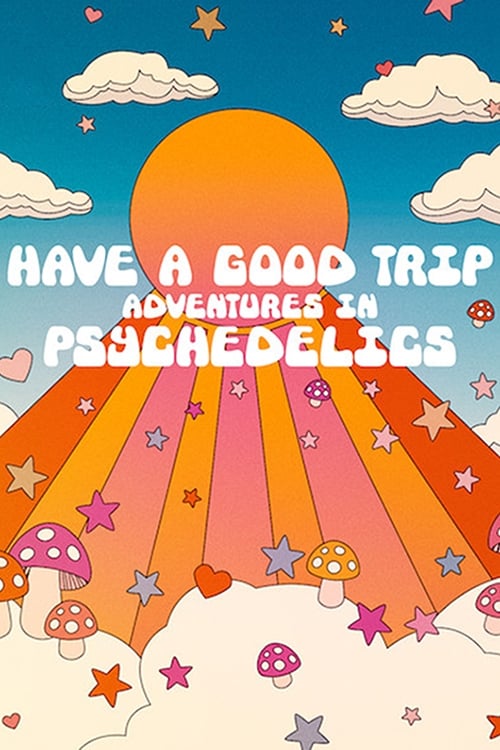
How does the film visually represent the psychedelic experiences described by the participants?
What specific anecdotes do the celebrities share about their trips?
How does the film address the potential therapeutic benefits of psychedelics?
What role does humor play in the storytelling of the film?
Should I watch it?
Ask Your Own Question

What is the plot?
Sorry, we aren't able to watch and write up a full detailed plot yet. Check back in a few days.
More Movies Like This
Browse All Movies →







What is the ending?
In the ending of "Have a Good Trip: Adventures in Psychedelics," the film wraps up with a series of reflections from various celebrities who shared their psychedelic experiences throughout the documentary. The final scenes emphasize the transformative potential of psychedelics, showcasing a blend of humor and profound insights. The film concludes with a message of hope and the importance of understanding these substances, leaving viewers with a sense of curiosity and contemplation about the nature of consciousness.
As the film approaches its conclusion, the narrative shifts to a montage of the various celebrities who have shared their psychedelic journeys. The screen fills with vibrant visuals, reminiscent of the psychedelic experiences discussed earlier in the film. The tone is light-hearted yet reflective, as the celebrities recount their experiences with humor and sincerity.
The first scene features a clip of Nick Offerman, who shares a particularly amusing anecdote about his own psychedelic experience. His delivery is filled with warmth and laughter, creating a sense of camaraderie among the viewers. He reflects on the absurdity of life and the importance of embracing the unknown, which resonates with the overarching theme of the film.
Next, the film transitions to a more introspective moment with A$AP Rocky, who discusses the deeper insights he gained from his experiences. His tone shifts to one of seriousness as he emphasizes the importance of self-discovery and understanding one's place in the world. This moment serves as a reminder of the potential for personal growth that psychedelics can offer, contrasting with the lighter moments shared earlier.
The montage continues with various celebrities, including Sarah Silverman and Sting, each sharing their unique perspectives. Sarah's segment is filled with humor, as she recounts a particularly bizarre trip, while Sting reflects on the spiritual aspects of his experiences. The juxtaposition of humor and depth throughout these segments highlights the multifaceted nature of psychedelics and their impact on different individuals.
As the film nears its end, the visuals become increasingly vibrant and surreal, mirroring the psychedelic experiences discussed. The screen is filled with kaleidoscopic patterns and colors, creating an immersive atmosphere that encapsulates the essence of the journeys shared. The final moments feature a voiceover that encapsulates the film's message: the importance of understanding and respecting psychedelics as tools for exploration and healing.
In the closing scene, the film leaves viewers with a sense of hope and curiosity. The final shot is a serene landscape, inviting viewers to reflect on their own experiences and the potential for growth and understanding that lies within. The credits roll, accompanied by a whimsical soundtrack, leaving a lingering sense of wonder about the nature of consciousness and the possibilities that psychedelics may hold for the future.
Is there a post-credit scene?
In "Have a Good Trip: Adventures in Psychedelics," there is no post-credit scene. The film concludes with a series of reflections and humorous anecdotes from various celebrities about their experiences with psychedelics, but it does not include any additional scenes or content after the credits roll. The focus remains on the exploration of the psychedelic experience and its impact on perception and creativity, leaving viewers with the insights shared throughout the film.
What celebrities share their personal experiences with psychedelics in the film?
The film features a variety of celebrities who share their personal experiences with psychedelics, including Sting, Sarah Silverman, and Nick Offerman, each recounting their unique journeys and the insights they gained.
How does the film visually represent the psychedelic experiences described by the participants?
The film uses vibrant animations and surreal visuals to depict the psychedelic experiences described by the participants, creating a dreamlike atmosphere that mirrors the altered states of consciousness they discuss.
What specific anecdotes do the celebrities share about their trips?
Celebrities share various anecdotes, such as Sarah Silverman's humorous encounter with a talking cat during her trip, and Sting's profound realization about love and connection while under the influence.
How does the film address the potential therapeutic benefits of psychedelics?
The film includes discussions on the therapeutic benefits of psychedelics, highlighting personal stories of healing and transformation, particularly in relation to mental health issues like depression and anxiety.
What role does humor play in the storytelling of the film?
Humor is a significant element in the storytelling, as many celebrities recount their experiences with a comedic twist, making the subject matter more accessible and entertaining while still conveying deeper insights.
Is this family friendly?
"Have a Good Trip: Adventures in Psychedelics" is a documentary that explores the experiences of various celebrities with psychedelics. While it is informative and entertaining, it contains several elements that may not be suitable for children or sensitive viewers.
-
Drug Use: The film discusses and depicts the use of various psychedelic substances, which may be inappropriate for younger audiences.
-
Graphic Imagery: There are animated sequences and visual representations of psychedelic experiences that can be intense or unsettling.
-
Mature Themes: The documentary touches on themes of mental health, existential crises, and personal struggles that may be heavy for younger viewers.
-
Language: There is occasional strong language used by the interviewees, which may not be suitable for all audiences.
-
Personal Stories: Some anecdotes shared by the participants involve distressing or traumatic experiences related to drug use, which could be upsetting for sensitive viewers.
Overall, while the film is educational and humorous, its content may not be appropriate for children or those who are sensitive to discussions about drug use and mental health.







