
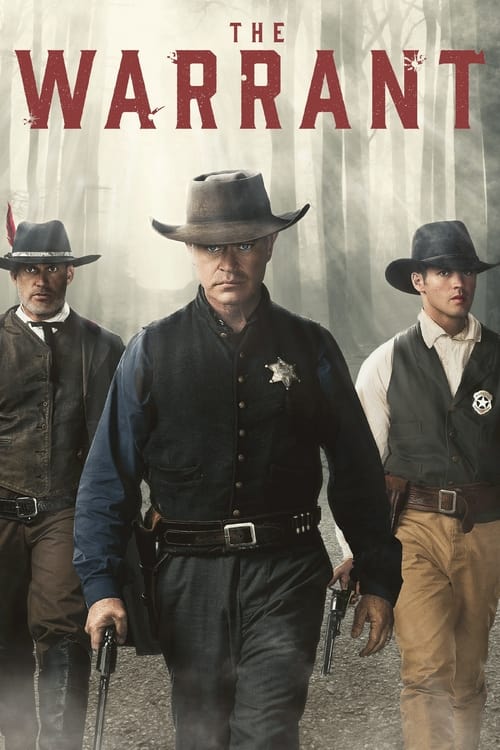






















Popular
What motivates the main character, Sheriff John Brown, throughout the film?
How does the relationship between Sheriff John Brown and his son evolve during the film?
What role does the character of the outlaw, Gideon, play in the story?
How does the setting of the American West influence the characters' decisions?
What is the significance of the title 'The Warrant' in relation to the plot?
Should I watch it?
Ask Your Own Question

What is the plot?
Sorry, we aren't able to watch and write up a full detailed plot yet. Check back in a few days.




What is the ending?
In the ending of "The Warrant," the main characters confront their pasts and the consequences of their choices. The film culminates in a tense showdown where the protagonist, a former lawman, faces off against his old partner, who has turned to a life of crime. The resolution sees the protagonist making a significant sacrifice to protect his family and ultimately find redemption.
As the climax unfolds, the protagonist, John Henry, is faced with the reality of his former partner, who has become a dangerous outlaw. The emotional weight of their shared history hangs heavily in the air as John Henry grapples with the betrayal and the need to stop his partner from causing further harm. The confrontation is fraught with tension, as both men are driven by their past decisions and the paths they have chosen.
In the final moments, John Henry makes a choice that reflects his growth and desire to protect his loved ones. He confronts his partner in a dramatic standoff, where the stakes are not just about their lives but also about the legacy they leave behind. The film concludes with John Henry emerging as a changed man, having faced his demons and made a sacrifice that underscores the themes of redemption and the impact of choices.
As the dust settles, the fates of the main characters are revealed. John Henry survives the encounter, but not without scars--both physical and emotional. His partner, however, meets a tragic end, symbolizing the consequences of a life of crime. The film closes on a note of hope, as John Henry looks towards a future where he can rebuild his life and protect his family, having finally come to terms with his past.
As the final act of "The Warrant" unfolds, the tension escalates dramatically. The scene opens with John Henry, a rugged former lawman, standing at the edge of a dusty street in a small town, the sun setting behind him, casting long shadows. He is haunted by memories of his past, particularly his relationship with his former partner, who has now become a notorious outlaw. The air is thick with anticipation as John Henry prepares to confront the man he once called a brother.
The camera shifts to the outlaw, now a hardened criminal, surrounded by his gang. They are holed up in an abandoned building, the atmosphere charged with danger and desperation. The outlaw, filled with a mix of anger and regret, reflects on the choices that led him down this dark path. He is aware that John Henry is coming for him, and a sense of inevitability looms over the scene.
As John Henry approaches the building, he is filled with a mix of determination and sorrow. He knows that this confrontation is not just about stopping his former partner; it is about confronting the ghosts of their shared past. The stakes are high, and the emotional weight of their history hangs heavily in the air. John Henry's heart races as he recalls the brotherhood they once shared, now overshadowed by betrayal and loss.
The showdown begins with a tense standoff. John Henry calls out to his former partner, urging him to surrender and reconsider the path he has chosen. The outlaw, however, is defiant, his eyes filled with a mix of rage and pain. The dialogue between them is charged with emotion, revealing their deep-seated feelings of betrayal, regret, and the longing for redemption. Each word exchanged is a reminder of the bond they once had, now fractured by choices that have led them to this moment.
As the confrontation escalates, gunfire erupts. John Henry, driven by a fierce desire to protect his family and stop the cycle of violence, engages in a fierce battle with the outlaw and his gang. The action is intense, with bullets flying and the sound of chaos filling the air. John Henry's determination is palpable as he fights not just for his life, but for the chance to save his former partner from himself.
In a pivotal moment, John Henry finds himself face-to-face with the outlaw. The tension is at its peak as they grapple with their shared history. John Henry, realizing that words alone will not save his partner, makes a heart-wrenching decision. He sacrifices his own safety to protect his family, putting himself in harm's way to give his partner a chance to escape the life of crime. This act of selflessness is a culmination of his character's journey, showcasing his growth and the depth of his love for those he cares about.
As the dust settles, the aftermath of the confrontation reveals the fates of the main characters. John Henry, though wounded, survives the encounter. He stands amidst the wreckage, a mix of relief and sorrow washing over him. His partner, however, does not escape the consequences of his choices. In a tragic turn, he meets his end, a victim of the very life he chose, leaving John Henry to grapple with the weight of their shared past and the loss of what could have been.
The film concludes with John Henry looking towards the horizon, a sense of hope flickering within him. He has faced his demons and made a sacrifice that speaks to the themes of redemption and the impact of choices. As he walks away from the chaos, the sun rises, symbolizing a new beginning for him and the chance to rebuild his life, free from the shadows of his past.
Is there a post-credit scene?
The movie "The Warrant," produced in 2020, does not have a post-credit scene. The film concludes its narrative without any additional scenes or content after the credits roll. The story wraps up with the resolution of the main conflict, focusing on the characters' journeys and the emotional stakes they faced throughout the film. As the credits begin, viewers are left with the finality of the characters' arcs, emphasizing the themes of redemption and the consequences of their choices.
What motivates the main character, Sheriff John Brown, throughout the film?
Sheriff John Brown is driven by a deep sense of duty and a desire to uphold the law, but he is also haunted by his past decisions, particularly regarding his relationship with his son. His internal conflict is heightened by the moral dilemmas he faces as he pursues a former friend turned outlaw.
How does the relationship between Sheriff John Brown and his son evolve during the film?
The relationship between Sheriff John Brown and his son, who is also a lawman, is strained due to past grievances and differing views on justice. As the story progresses, they confront their shared history and the choices that have led them to this point, ultimately seeking reconciliation amidst the chaos.
What role does the character of the outlaw, Gideon, play in the story?
Gideon, the outlaw and former friend of Sheriff Brown, serves as a catalyst for the film's conflict. His actions force Brown to confront his past and the choices he made that led to their current adversarial relationship, embodying the themes of betrayal and redemption.
How does the setting of the American West influence the characters' decisions?
The rugged and lawless landscape of the American West serves as a backdrop that amplifies the characters' struggles. The harsh environment reflects their internal battles, as the characters navigate moral complexities and the consequences of their choices in a world where the law is often challenged.
What is the significance of the title 'The Warrant' in relation to the plot?
The title 'The Warrant' symbolizes the legal and moral obligations that the characters grapple with throughout the film. It represents Sheriff Brown's pursuit of justice and the weight of the law, as well as the personal warrants of guilt and redemption that each character must face.
Is this family friendly?
"The Warrant," produced in 2020, is a Western film that contains several elements that may not be considered family-friendly. Here are some potentially objectionable or upsetting aspects:
-
Violence: The film features gunfights and physical confrontations that can be intense and graphic. There are scenes of characters being shot, which may be distressing for younger viewers.
-
Death: The theme of mortality is prevalent, with characters facing life-and-death situations. The emotional weight of loss and grief is explored, which could be upsetting for sensitive audiences.
-
Themes of Betrayal: The narrative includes elements of betrayal and moral conflict, which may be complex for younger viewers to understand and could evoke feelings of sadness or confusion.
-
Emotional Turmoil: Characters experience significant emotional struggles, including guilt, regret, and the burden of past decisions. These themes may resonate deeply and could be heavy for children or sensitive individuals.
-
Mature Language: There are instances of strong language that may not be suitable for younger audiences.
Overall, while "The Warrant" presents a story of redemption and justice, its mature themes and violent content may not be appropriate for children or those who are sensitive to such material.








