








Popular
What motivates the main character, David, throughout the film?
How does the character of Sarah influence David's choices?
What role does the mysterious figure, known as the Broker, play in the story?
How does the relationship between David and his business partner evolve throughout the film?
What is the significance of the recurring theme of wealth and its impact on relationships in the film?
Should I watch it?
Ask Your Own Question

What is the plot?
Sorry, we aren't able to watch and write up a full detailed plot yet. Check back in a few days.
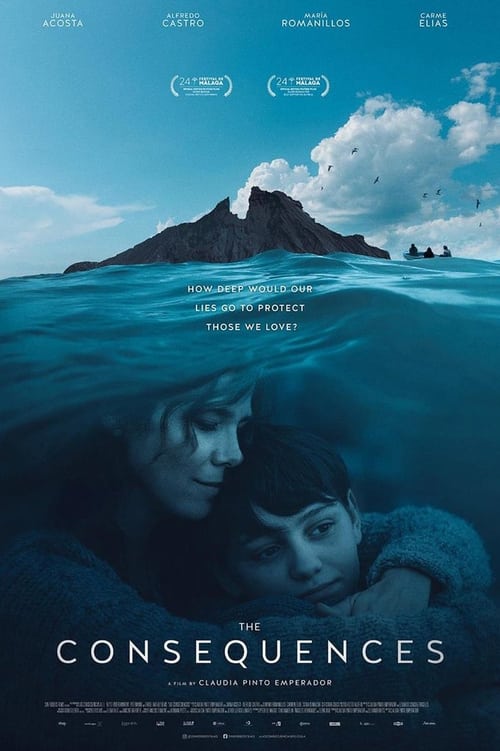




What is the ending?
In the ending of "Mammon," the protagonist, a journalist named David, uncovers a web of corruption involving powerful figures in society. As he gets closer to the truth, he faces threats to his life and the safety of his family. Ultimately, David decides to expose the truth, leading to a climactic confrontation that results in significant consequences for him and the corrupt individuals he has been investigating.
As the film reaches its conclusion, David's determination to reveal the corruption leads to a tense standoff. He faces the moral dilemma of protecting his family versus pursuing justice. The film ends with a sense of unresolved tension, leaving the audience to ponder the implications of David's choices and the pervasive nature of greed and corruption.
As the final act of "Mammon" unfolds, the atmosphere is thick with tension. David, the journalist, is seen pacing in his dimly lit apartment, the weight of his discoveries pressing heavily on his shoulders. He has pieced together a damning narrative of corruption that implicates influential figures in the city. The camera lingers on his furrowed brow, capturing the internal conflict raging within him--his desire for justice clashing with the instinct to protect his family.
Scene by scene, the narrative progresses. David receives a threatening phone call, the voice on the other end chillingly warning him to stop his investigation. The camera zooms in on David's face, revealing a mix of fear and resolve. He knows that the stakes are higher than ever, not just for himself but for his wife and children. The audience can feel the palpable tension as he grapples with the decision to continue or back down.
In the next scene, David meets with a trusted colleague, who expresses concern for his safety. They sit in a small café, the background noise of clinking cups and hushed conversations contrasting with the gravity of their discussion. David's colleague urges him to consider the potential fallout of exposing such powerful individuals. David's eyes reflect a fierce determination as he responds, "If I don't do this, who will?" This moment crystallizes his internal struggle--he is driven by a sense of duty to uncover the truth, even at great personal risk.
As the climax approaches, David gathers evidence and prepares to go public. He is seen late at night, surrounded by files and documents, the glow of his computer screen illuminating his determined expression. The audience can sense the urgency in his movements as he types out his exposé, each keystroke a step closer to unveiling the corruption that has plagued his city.
The tension escalates when David's family is threatened. A scene unfolds where he receives a visit from menacing figures who confront him at his home. The camera captures the fear in his children's eyes as they witness their father's confrontation with these dangerous individuals. David stands firm, his heart racing, but he knows he cannot back down now. The emotional stakes are at their highest, and the audience feels the weight of his choices.
In the final moments, David goes live with his story, broadcasting the truth to the public. The scene shifts to a montage of reactions--people in the streets, glued to their screens, gasping in disbelief as the revelations unfold. David watches the chaos he has unleashed, a mix of triumph and dread washing over him. He knows that he has done the right thing, but the consequences are far from clear.
The film concludes with a haunting image of David standing alone on a rooftop, looking out over the city. The skyline is both beautiful and ominous, symbolizing the duality of hope and despair. The camera pulls back, leaving the audience with a lingering sense of uncertainty about the future. David's fate remains ambiguous; he has exposed the truth, but at what cost? The final shot captures the essence of the film's message about the pervasive nature of greed and the sacrifices made in the pursuit of justice.
Is there a post-credit scene?
In the movie "Mammon" produced in 2020, there is no post-credit scene. The film concludes its narrative without any additional scenes or content after the credits roll. The story wraps up with a focus on the main themes of greed, betrayal, and the consequences of one's choices, leaving the audience to reflect on the events that transpired throughout the film.
What motivates the main character, David, throughout the film?
David is driven by a deep desire to provide for his family and secure their future. His ambition leads him to make morally questionable decisions as he becomes entangled in a web of deceit and corruption.
How does the character of Sarah influence David's choices?
Sarah serves as David's moral compass, often expressing concern about the ethical implications of his actions. Her emotional turmoil and fear for their family's safety create tension, pushing David to confront his choices.
What role does the mysterious figure, known as the Broker, play in the story?
The Broker is a shadowy character who represents temptation and the darker side of ambition. He offers David opportunities that seem too good to be true, ultimately leading him down a path of moral compromise.
How does the relationship between David and his business partner evolve throughout the film?
Initially, David and his partner share a strong bond built on trust and ambition. However, as the stakes rise and secrets are revealed, their relationship becomes strained, leading to betrayal and conflict.
What is the significance of the recurring theme of wealth and its impact on relationships in the film?
Wealth serves as both a motivator and a destructive force in the film. Characters' relationships are tested as greed and ambition overshadow their connections, illustrating how the pursuit of money can lead to isolation and moral decay.
Is this family friendly?
"Mammon," produced in 2020, is not considered family-friendly due to its mature themes and content. The film delves into complex issues surrounding greed, betrayal, and moral dilemmas, which may be unsettling for children or sensitive viewers.
Potentially objectionable or upsetting aspects include:
- Violence: There are scenes that depict physical confrontations and threats, which may be intense and distressing.
- Mature Themes: The narrative explores heavy topics such as corruption, financial deceit, and the impact of greed on relationships, which may be difficult for younger audiences to understand.
- Emotional Turmoil: Characters experience significant emotional distress, including betrayal and despair, which could be upsetting for sensitive viewers.
- Dark Atmosphere: The overall tone of the film is somber and tense, contributing to a feeling of unease throughout the story.
These elements make "Mammon" more suitable for mature audiences rather than children.









