











Popular
What motivates the main character, Sarah, to investigate the history of the house?
How does the character of Mark contribute to the tension in the story?
What role does the ghostly figure play in the development of the plot?
How does the setting of the old house influence the characters' actions?
What is the significance of the diary that Sarah finds in the house?
Should I watch it?
Ask Your Own Question

What is the plot?
Sorry, we aren't able to watch and write up a full detailed plot yet. Check back in a few days.
More Movies Like This
Browse All Movies →





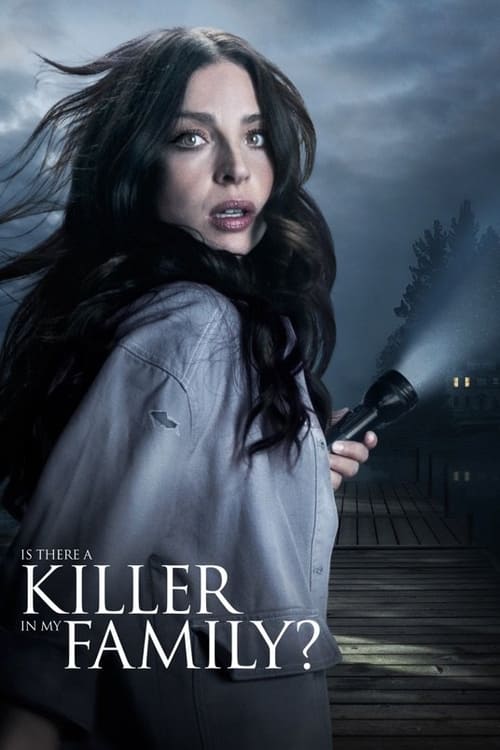
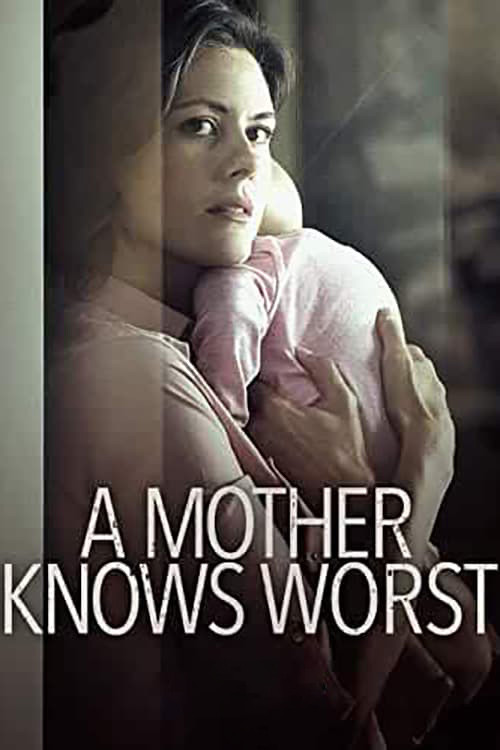
What is the ending?
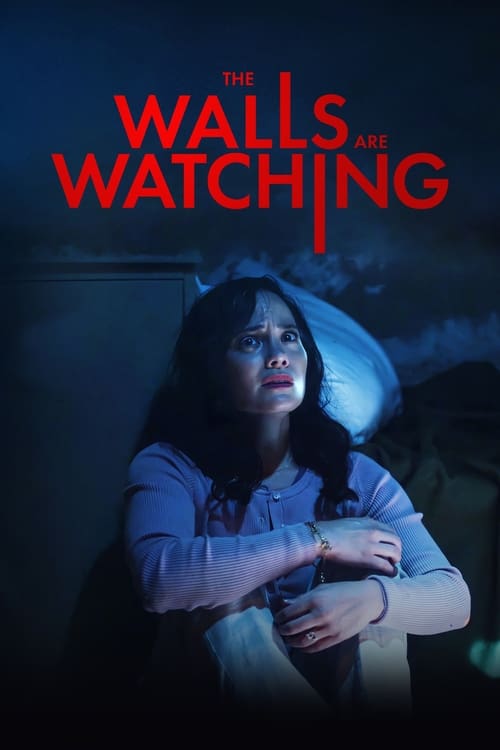
In the ending of "The Walls Are Watching," the protagonist, Sarah, confronts the truth about her family's dark past and the sinister presence that has haunted her home. After a tense showdown with the antagonist, she manages to escape, but not without significant emotional scars. The film concludes with Sarah leaving the house behind, symbolizing her desire to break free from the cycle of trauma.
As the final act unfolds, the atmosphere is thick with tension. Sarah, having pieced together the horrifying history of her family, stands in the dimly lit living room of her ancestral home. Shadows dance on the walls, echoing the secrets that have lingered for generations. The air is heavy with the weight of her discoveries, and she feels a mix of fear and determination coursing through her veins.
In a pivotal scene, Sarah confronts the antagonist, who embodies the darkness that has plagued her family. The confrontation is fraught with emotion; Sarah's voice trembles as she demands answers, her heart racing as she faces the embodiment of her fears. The antagonist, a figure shrouded in mystery and malice, reveals the twisted motivations behind the haunting, explaining how the past has shaped the present. The dialogue is sharp, filled with tension, as Sarah grapples with the truth that has been hidden from her for so long.
As the confrontation escalates, the walls of the house seem to close in, amplifying the sense of entrapment. Sarah's internal struggle is palpable; she is torn between the desire to understand her family's legacy and the need to escape the cycle of violence and fear. In a moment of clarity, she realizes that she must break free from the chains of her past. With newfound resolve, she fights back against the antagonist, a fierce determination igniting within her.
The climax reaches its peak as Sarah manages to outsmart the antagonist, using her knowledge of the house's layout to her advantage. In a heart-pounding chase through the darkened corridors, she navigates the very walls that have witnessed her family's torment. The tension is electric, each heartbeat echoing the urgency of her escape. As she reaches the front door, the antagonist lunges for her, but Sarah's will to survive propels her forward. She bursts through the door, the cool night air hitting her like a wave of freedom.
In the aftermath, Sarah stands outside the house, breathing heavily, her heart racing. The camera lingers on her face, capturing the mix of relief and sorrow. She looks back at the house, a place that has held both her family's history and her own trauma. The walls, once a prison, now symbolize her liberation. As she walks away, the weight of her family's legacy begins to lift, but the emotional scars remain.
The film concludes with Sarah driving away, the house fading into the distance. The final shot captures her face, a blend of determination and vulnerability, as she embarks on a new chapter of her life. The fate of the antagonist remains ambiguous, leaving viewers to ponder the lingering effects of trauma and the possibility of healing. Sarah's journey is one of resilience, a testament to the strength it takes to confront the past and forge a new path forward.
Is there a post-credit scene?
In "The Walls Are Watching," there is indeed a post-credit scene that adds an intriguing layer to the film's narrative. After the credits roll, the screen fades back in to a dimly lit room, where a single flickering light bulb hangs from the ceiling. The atmosphere is thick with tension, and the sound of distant whispers can be heard, echoing the film's themes of surveillance and paranoia.
The camera slowly pans to reveal a series of monitors lining the walls, each displaying different angles of the house where the main events of the film took place. The monitors show static images of the empty rooms, but then one of them flickers to life, revealing a shadowy figure standing in the hallway. The figure is obscured, but the viewer can sense a menacing presence.
As the camera zooms in on the monitor, the figure turns slightly, and a chilling smile can be seen on their face. The scene cuts to black, and a single line of text appears: "The walls are always watching." This moment leaves the audience with a lingering sense of dread and uncertainty, suggesting that the horrors experienced by the characters may not be over, and that the house itself continues to hold secrets and threats. The post-credit scene effectively reinforces the film's central themes of fear and the unseen dangers that lurk just beyond perception.
What motivates the main character, Sarah, to investigate the history of the house?
Sarah is driven by a deep sense of curiosity and a desire to uncover the truth about her family's past. As she begins to experience strange occurrences in the house, her emotional state shifts from intrigue to fear, pushing her to dig deeper into the house's dark history.
How does the character of Mark contribute to the tension in the story?
Mark serves as both a supportive partner and a source of conflict for Sarah. His skepticism about the supernatural elements creates tension, as he often dismisses her fears, leading to emotional clashes that heighten the suspense and isolation Sarah feels as she confronts the house's secrets.
What role does the ghostly figure play in the development of the plot?
The ghostly figure acts as a catalyst for the unfolding events, representing the unresolved trauma of the house's past. Its appearances are tied to key moments in the story, revealing hidden truths and pushing Sarah to confront her own fears, ultimately leading to her transformation.
How does the setting of the old house influence the characters' actions?
The old house, with its creaking floors and shadowy corners, creates an oppressive atmosphere that amplifies the characters' emotions. Its history of tragedy and loss weighs heavily on Sarah, influencing her decisions and driving her to uncover the truth, while also causing Mark to become increasingly anxious and defensive.
What is the significance of the diary that Sarah finds in the house?
The diary serves as a crucial plot device, providing insight into the previous occupants' lives and the events that led to their demise. It acts as a bridge between the past and present, revealing connections that deepen Sarah's understanding of her own family's history and the haunting that plagues the house.
Is this family friendly?
"The Walls Are Watching," produced in 2022, is not considered family-friendly due to its intense themes and mature content. The film contains several potentially objectionable or upsetting scenes that may be distressing for children or sensitive viewers.
-
Violence and Threats: There are scenes depicting physical confrontations and threats that create a tense atmosphere, which may be unsettling for younger audiences.
-
Psychological Tension: The film explores themes of fear and paranoia, with characters experiencing intense emotional distress, which could be disturbing for sensitive viewers.
-
Dark Themes: The narrative delves into issues of isolation and survival, presenting scenarios that may evoke feelings of anxiety or dread.
-
Mature Language: The dialogue includes strong language that may not be appropriate for children.
-
Intense Emotional Moments: Characters face significant emotional turmoil, including grief and desperation, which could be upsetting for some viewers.
Overall, the film's atmosphere and content are geared towards an adult audience, making it unsuitable for children.







