






















Popular
What are the main character's motivations throughout the film?
How does Maria's relationship with François develop in the film?
What role does the setting play in Maria's story?
How does Maria's relationship with Eutrope contrast with her relationship with François?
What challenges does Maria face in her family life throughout the film?
Should I watch it?
Ask Your Own Question

What is the plot?
Sorry, we aren't able to watch and write up a full detailed plot yet. Check back in a few days.





What is the ending?
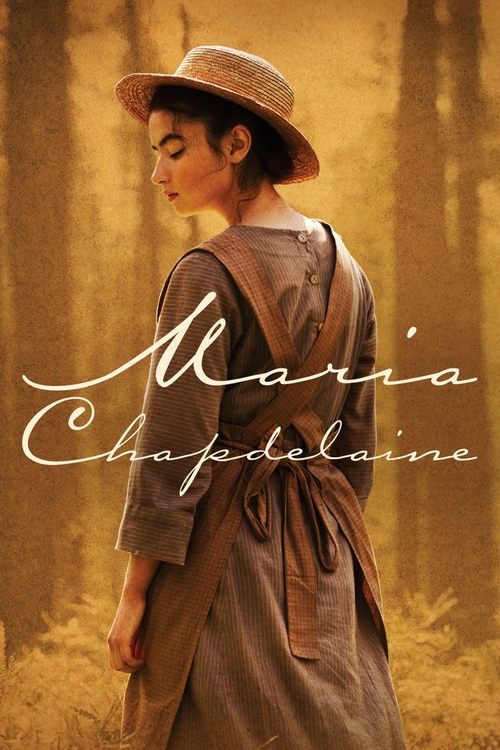
In the ending of the movie "Maria Chapdelaine," Maria ultimately chooses to remain in her rural home, embracing her life and the land despite the temptations of a different life offered by the outside world. She decides against following the man who represents a more adventurous life, reaffirming her commitment to her family and her roots.
As the film approaches its conclusion, we see Maria standing at a crossroads, both literally and metaphorically. The harsh winter has passed, and the landscape is beginning to thaw, symbolizing new beginnings. Maria is faced with the decision of whether to leave her home with the man who has promised her a life of excitement and opportunity or to stay in the familiar embrace of her family and the land she knows so well.
In a poignant scene, Maria reflects on her life, her family, and the love she has for her home. She recalls the struggles and sacrifices of her parents, the beauty of the land, and the deep connections she has with her community. As she contemplates her future, she feels the weight of her heritage and the responsibilities that come with it.
Ultimately, Maria chooses to stay. She watches as the man who offered her a different life departs, leaving her with a sense of bittersweet resolution. The film closes with Maria embracing her identity as a woman of the land, ready to face the challenges ahead with strength and determination.
In the final moments, we see Maria surrounded by her family, reaffirming her commitment to her roots and the life she has chosen. The camera lingers on her face, capturing a mix of emotions--contentment, resolve, and a hint of longing for what could have been. The screen fades to black, leaving the audience with a sense of hope and the enduring power of home.
As the film concludes, we learn the fates of the main characters: Maria remains in her rural home, embracing her identity and responsibilities; the man who offered her a different life departs, symbolizing the paths not taken; and Maria's family continues to support her, reinforcing the bonds of love and community that define her existence. The story ends on a note of resilience, highlighting the strength found in choosing one's own path, even when it means forgoing the allure of the unknown.
Is there a post-credit scene?
The movie "Maria Chapdelaine," produced in 2021, does not feature a post-credit scene. The film concludes its narrative without any additional scenes after the credits roll, focusing instead on the emotional resolution of Maria's journey and her choices regarding love and life in the harsh yet beautiful landscape of early 20th-century Quebec. The ending encapsulates the themes of resilience, identity, and the connection to one's roots, leaving the audience with a poignant sense of closure.
What are the main character's motivations throughout the film?
Maria Chapdelaine, the protagonist, is driven by her deep connection to her family and the land they cultivate. Her motivations are rooted in a desire for stability and love, as she navigates the complexities of her relationships with the men in her life, particularly her feelings for François, a local farmer, and the allure of a more adventurous life with the outsider, Eutrope.
How does Maria's relationship with François develop in the film?
Maria's relationship with François begins with a sense of familiarity and comfort, as they share a deep bond rooted in their shared upbringing in the harsh yet beautiful landscape of rural Quebec. As the story progresses, their relationship is tested by external challenges and Maria's internal conflict about her future, leading to moments of tenderness and tension that highlight her struggle between tradition and the desire for something more.
What role does the setting play in Maria's story?
The setting of rural Quebec in the early 20th century is integral to Maria's story, as it shapes her identity and influences her choices. The harsh winters and the beauty of the landscape reflect her internal struggles and the resilience required to survive. The isolation of the community also amplifies her feelings of longing and the weight of familial expectations.
How does Maria's relationship with Eutrope contrast with her relationship with François?
Maria's relationship with Eutrope represents a stark contrast to her bond with François. Eutrope embodies the promise of adventure and a life beyond the confines of her rural existence, appealing to her desire for freedom and exploration. In contrast, François represents stability and the familiar, creating a tension within Maria as she grapples with her feelings for both men and what each represents for her future.
What challenges does Maria face in her family life throughout the film?
Maria faces numerous challenges in her family life, including the burden of responsibility for her younger siblings after the loss of her mother. This responsibility weighs heavily on her, as she feels torn between her duties to her family and her own desires. The expectations placed upon her by her father and the community further complicate her emotional landscape, forcing her to confront her own aspirations amidst familial obligations.
Is this family friendly?
The movie "Maria Chapdelaine," produced in 2021, is generally considered family-friendly, but it does contain some themes and scenes that may be sensitive for children or more sensitive viewers. Here are a few aspects to consider:
-
Loss and Grief: The film explores themes of loss, particularly related to family and loved ones. There are moments that depict mourning and the emotional weight of losing someone, which may be upsetting for younger viewers.
-
Harsh Living Conditions: The story is set in a rural, early 20th-century environment, showcasing the struggles of pioneer life. Scenes may depict the harsh realities of farming, including difficult weather conditions and the physical toll of labor.
-
Romantic Tension: The film includes romantic elements that may involve emotional conflict and choices that could be complex for younger audiences to understand fully.
-
Cultural and Historical Context: The film touches on themes of cultural identity and the challenges faced by settlers, which may include discussions of societal expectations and personal sacrifice.
-
Emotional Struggles: Characters experience internal conflicts and emotional struggles that may resonate deeply, potentially leading to moments of sadness or reflection.
While these elements are integral to the narrative and character development, they may require parental guidance for younger viewers to help contextualize the themes presented.








