
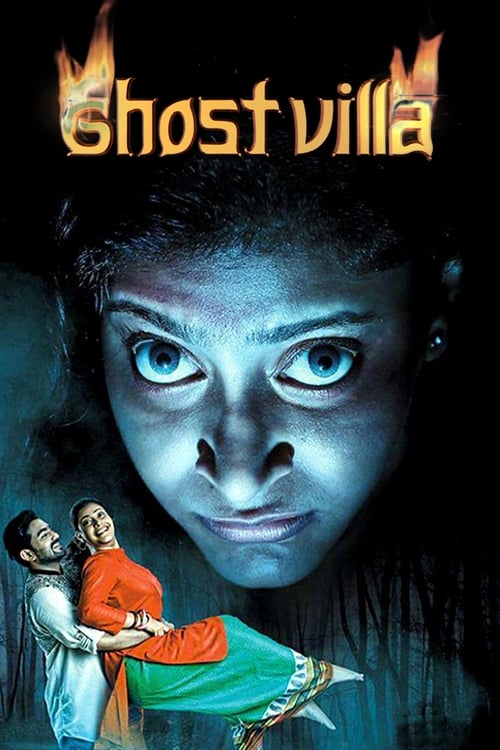












Popular
What is the significance of the ghost that haunts the villa?
How does the main character, Mia, change throughout the film?
What role does the villa itself play in the story?
Who are the other key characters that Mia interacts with, and what are their motivations?
What is the nature of the tragic event that the ghost is tied to?
Should I watch it?
Ask Your Own Question

What is the plot?
Sorry, we aren't able to watch and write up a full detailed plot yet. Check back in a few days.


What is the ending?
In the ending of "Ghost Villa," the main characters confront the haunting presence that has been terrorizing them throughout their stay at the villa. As they unravel the mystery behind the ghost, they face their own fears and regrets. Ultimately, they manage to confront the spirit, leading to a resolution that allows them to move on from their pasts. The film concludes with a sense of closure for the characters, as they leave the villa behind, transformed by their experiences.
As the film approaches its climax, the atmosphere in Ghost Villa grows increasingly tense. The characters, having endured a series of supernatural occurrences, gather in the dimly lit living room, their faces illuminated by flickering candlelight. The air is thick with apprehension as they share their individual experiences with the ghostly presence that has haunted them. Each character reveals their deepest fears and regrets, creating a palpable sense of vulnerability.
The protagonist, a young woman named Mia, stands at the center of the group. Her eyes reflect a mixture of determination and fear as she recounts her own traumatic past, which she has been trying to escape. The others listen intently, their expressions shifting from skepticism to empathy. They realize that the ghost is not just a malevolent force but a manifestation of their own unresolved issues.
As the clock strikes midnight, the atmosphere shifts dramatically. The ghost appears, a swirling figure of sorrow and anger, its presence sending chills down their spines. The characters, now united in their shared fear, confront the spirit. Mia steps forward, her heart racing, and speaks to the ghost, acknowledging its pain and the reasons behind its haunting. Her voice trembles but carries a weight of understanding.
In a pivotal moment, the ghost reveals its tragic backstory, a tale of loss and betrayal that resonates deeply with Mia and the others. As the spirit's story unfolds, the characters begin to see reflections of their own struggles in its sorrow. This connection allows them to empathize with the ghost, transforming their fear into compassion.
The climax reaches its peak as Mia, fueled by her newfound courage, reaches out to the ghost. She offers forgiveness, not just to the spirit but also to herself for the burdens she has carried. The ghost, sensing the sincerity in her words, begins to dissolve, its anger dissipating like mist in the morning sun. The room fills with a warm light, and the oppressive atmosphere lifts, leaving the characters feeling lighter and more at peace.
As dawn breaks, the characters emerge from the villa, their faces illuminated by the soft glow of the rising sun. They share a moment of silence, reflecting on the profound experience they have just endured. Each character has undergone a transformation, having faced their fears and found a sense of closure. Mia, in particular, stands taller, her expression one of hope and renewal.
The film concludes with the group walking away from the villa, their silhouettes framed against the brightening sky. They leave behind the haunting memories, ready to embrace their futures. The final shot lingers on the now-quiet villa, a place that once held darkness but has been transformed by the characters' journey of self-discovery and healing. Each character's fate is intertwined with the lessons learned, as they step into a new chapter of their lives, forever changed by their encounter with the ghost.
Is there a post-credit scene?
In the movie "Ghost Villa," there is indeed a post-credit scene that adds an intriguing layer to the story. After the credits roll, the screen fades back in to reveal a dimly lit room within the villa, where the atmosphere is thick with an eerie silence. The camera slowly pans across the room, showcasing remnants of the past--dusty furniture, faded photographs, and cobwebs that hint at the long-abandoned nature of the place.
As the camera settles on a large, ornate mirror, a faint whisper echoes through the air, sending a chill down the spine. The reflection in the mirror begins to shimmer, and for a brief moment, the ghostly figure of a woman appears, her expression a mix of sorrow and longing. She reaches out towards the viewer, her hand almost touching the glass, as if trying to communicate something important.
The scene shifts to a close-up of the mirror, where the words "You are not alone" appear, written in a ghostly script. This cryptic message leaves the audience with a sense of unease and curiosity, suggesting that the villa still holds many secrets and that the spirits within are not finished with their stories. The screen then fades to black, leaving viewers pondering the implications of the ghostly presence and the unresolved mysteries of the villa.
What is the significance of the ghost that haunts the villa?
The ghost in 'Ghost Villa' represents the unresolved past of the villa's former inhabitants. It is tied to a tragic event that occurred years ago, which is gradually revealed through the protagonist's exploration of the villa. The ghost's presence serves as a catalyst for the main character's journey of discovery and healing.
How does the main character, Mia, change throughout the film?
Mia starts as a skeptical and somewhat detached individual, struggling with her own personal issues. As she encounters the supernatural elements of the villa and learns about its history, she becomes more empathetic and open to understanding her own emotions and the pain of others, ultimately leading to her personal growth.
What role does the villa itself play in the story?
The villa is not just a setting but a character in its own right. It embodies the history and secrets of its past, influencing the events that unfold. The architecture, the hidden rooms, and the eerie atmosphere all contribute to the tension and mystery, making the villa a central element in the narrative.
Who are the other key characters that Mia interacts with, and what are their motivations?
Mia interacts with several key characters, including her skeptical friend, Tom, who provides comic relief but also challenges her beliefs. There's also the enigmatic caretaker, who knows more about the villa's history than he initially reveals. Each character has their own motivations, from seeking closure to protecting the villa's secrets, which adds layers to the story.
What is the nature of the tragic event that the ghost is tied to?
The tragic event involves a family that once lived in the villa, who faced betrayal and loss. As Mia uncovers the details, it becomes clear that the ghost is seeking justice or closure for the wrongs done to them. This revelation drives the emotional core of the film, as Mia connects with the ghost's pain and seeks to help resolve it.
Is this family friendly?
"Ghost Villa," produced in 2016, is a supernatural horror film that may not be considered family-friendly due to its themes and content. Here are some potentially objectionable or upsetting aspects that could affect children or sensitive viewers:
-
Supernatural Elements: The film features ghosts and other supernatural occurrences that may be frightening for younger audiences.
-
Tension and Suspense: There are scenes filled with suspense and tension that could evoke fear or anxiety.
-
Violence: The film may contain scenes of violence or implied harm, which could be disturbing.
-
Dark Themes: The narrative explores themes of loss, grief, and the afterlife, which may be heavy for younger viewers.
-
Creepy Atmosphere: The setting and cinematography create a haunting atmosphere that could be unsettling.
-
Emotional Distress: Characters experience fear, sadness, and trauma, which may resonate deeply with sensitive viewers.
Overall, the film's horror elements and emotional weight suggest it may not be suitable for children or those who are easily disturbed.









