



Popular
What are the key features of the hypercars showcased in APEX?
Who are the main figures interviewed in the documentary, and what are their contributions to the hypercar industry?
How does the film illustrate the competition between different hypercar manufacturers?
What challenges do manufacturers face in creating hypercars, as depicted in the film?
What emotional responses do the creators express regarding their passion for hypercars?
Should I watch it?
Ask Your Own Question

What is the plot?
Sorry, we aren't able to watch and write up a full detailed plot yet. Check back in a few days.









What is the ending?
In the ending of "APEX: The Story of the Hypercar," the film culminates in a celebration of the hypercar's evolution and the passion of the engineers and designers behind these extraordinary machines. The film highlights the achievements of various manufacturers and the emotional connection that car enthusiasts have with these vehicles. The final scenes showcase the beauty and power of hypercars, leaving viewers with a sense of awe and appreciation for the innovation and dedication that drives the automotive industry.
As the film progresses towards its conclusion, the narrative shifts to a montage of the hypercars that have been featured throughout the documentary. The camera captures the sleek lines and powerful engines of these vehicles, emphasizing their design and engineering marvels. The filmmakers intersperse interviews with key figures in the automotive world, including designers and engineers, who reflect on their journeys and the challenges they faced in creating these high-performance machines.
In one poignant scene, a designer discusses the emotional connection that people have with hypercars, explaining how these vehicles represent not just speed and power, but also dreams and aspirations. This sentiment resonates throughout the film, as the audience is reminded of the passion that fuels the automotive industry.
The film concludes with a powerful visual of a hypercar speeding down a winding road, symbolizing the freedom and exhilaration that these vehicles provide. The final shots linger on the beauty of the cars, leaving viewers with a sense of wonder and admiration for the artistry and engineering that goes into creating a hypercar.
In the end, the film does not focus on individual character fates but rather celebrates the collective achievements of the automotive community, emphasizing the ongoing journey of innovation and the relentless pursuit of excellence in the world of hypercars.
Is there a post-credit scene?
The movie "APEX: The Story of the Hypercar" does not feature a post-credit scene. The documentary focuses on the evolution of hypercars, showcasing the engineering marvels and the passion behind their creation. It concludes with a reflection on the future of automotive innovation and the impact of hypercars on the automotive industry, leaving viewers with a sense of awe about the advancements in technology and design.
What are the key features of the hypercars showcased in APEX?
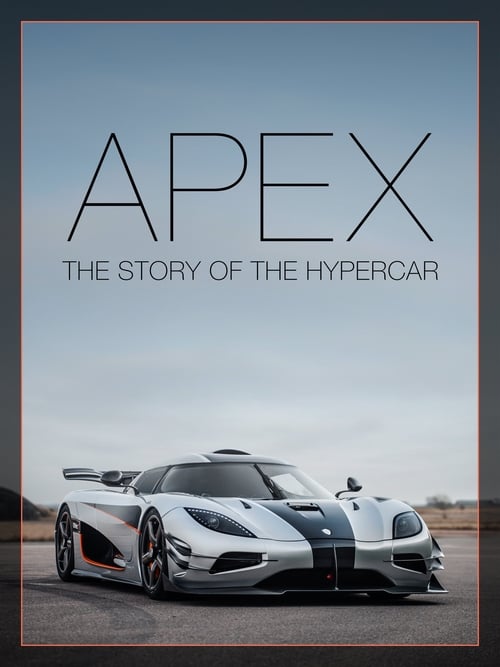
In APEX: The Story of the Hypercar, several hypercars are highlighted, showcasing their cutting-edge technology, design, and performance capabilities. The film delves into the engineering marvels of vehicles like the McLaren P1, Ferrari LaFerrari, and Porsche 918 Spyder, detailing their hybrid powertrains, aerodynamic designs, and the innovative materials used in their construction.
Who are the main figures interviewed in the documentary, and what are their contributions to the hypercar industry?
The documentary features interviews with prominent figures in the automotive industry, including engineers, designers, and executives from leading car manufacturers. Notable personalities include Frank Stephenson, who discusses the design philosophy behind the McLaren P1, and other industry experts who provide insights into the technological advancements and competitive nature of hypercar development.
How does the film illustrate the competition between different hypercar manufacturers?
APEX illustrates the fierce competition among hypercar manufacturers by showcasing the development processes of various models. The film contrasts the philosophies and strategies of brands like Ferrari, McLaren, and Porsche, highlighting their unique approaches to performance, design, and market positioning, as well as the rivalry that drives innovation in the hypercar segment.
What challenges do manufacturers face in creating hypercars, as depicted in the film?
The film depicts several challenges faced by manufacturers in creating hypercars, including the balance between performance and sustainability, the high costs of research and development, and the pressure to meet stringent regulations. It also touches on the difficulties of pushing the boundaries of technology while ensuring safety and reliability in high-performance vehicles.
What emotional responses do the creators express regarding their passion for hypercars?
Throughout APEX, the creators and interviewees express a deep emotional connection to hypercars, characterized by passion, excitement, and a sense of achievement. Their narratives reveal a shared love for speed, engineering excellence, and the artistry involved in hypercar design, often reflecting on personal experiences that fueled their dedication to the automotive world.
Is this family friendly?
"Apex: The Story of the Hypercar" is a documentary that explores the world of hypercars, focusing on their design, engineering, and the passion of the people behind them. While the film primarily showcases stunning visuals of high-performance vehicles and the excitement of automotive innovation, there are a few aspects that might be considered objectionable or upsetting for children or sensitive viewers:
-
High-Speed Racing Scenes: The film features intense racing sequences that may evoke feelings of anxiety or fear due to the high speeds and risks involved.
-
Discussion of Failure: There are moments where the challenges and failures faced by engineers and designers are discussed, which could be disheartening for younger viewers.
-
Emotional Struggles: Some interviews with industry professionals touch on the emotional toll of pursuing perfection in hypercar development, which may resonate deeply with sensitive audiences.
-
Technical Jargon: The film includes technical discussions that might be difficult for younger viewers to understand, potentially leading to confusion or frustration.
Overall, while the film is centered around the excitement of hypercars, the emotional and technical depth may not be suitable for all children or sensitive viewers.