


























Popular
What is the significance of the rivalry between the Mahana and the Poata families?
How does Awarua Mahana's relationship with his father, Tamihana, evolve throughout the film?
What role does the setting of rural New Zealand play in the story?
How does the character of Awarua Mahana confront the legacy of his family's past?
What is the impact of the tragic event involving Awarua's brother on the family dynamics?
Should I watch it?
Ask Your Own Question

What is the plot?
Sorry, we aren't able to watch and write up a full detailed plot yet. Check back in a few days.








What is the ending?
In the ending of "Mahana," the family feud reaches a climax as the protagonist, a young man named Awhina, confronts the deep-seated animosity between the Mahana and the Poata families. The conflict culminates in a tragic event that leads to a resolution of sorts, with Awhina taking a stand for his family's honor and ultimately finding a path toward reconciliation.
As the film draws to a close, Awhina's father, the patriarch of the Mahana family, faces the consequences of his actions and the weight of the family legacy. The film ends on a note of hope, suggesting that despite the pain of the past, there is a possibility for healing and moving forward.
Now, let's delve into the ending in a more detailed, chronological narrative.
The final act of "Mahana" unfolds with a palpable tension as Awhina, having grown weary of the ongoing feud, decides to confront the Poata family. The air is thick with unresolved anger and resentment, and Awhina's heart races as he approaches the Poata homestead. He is determined to put an end to the cycle of violence that has plagued both families for generations.
As Awhina arrives, he is met with hostility from the Poata family, who are entrenched in their own grievances. The confrontation escalates quickly, with harsh words exchanged and old wounds reopened. Awhina's internal struggle is evident; he is torn between loyalty to his family and the desire for peace. His voice trembles with emotion as he pleads for an end to the fighting, urging both sides to remember the bonds of kinship that once united them.
In a pivotal moment, Awhina's father, the elder Mahana, arrives on the scene. His presence commands respect, but it also brings a heavy burden of expectation. The elder is a man shaped by the weight of tradition and the scars of past conflicts. He stands between the two families, his face a mask of conflict as he grapples with the legacy of hatred that has defined their lives.
As tensions reach a boiling point, a tragic incident occurs. In a moment of chaos, a weapon is drawn, and a shot rings out. The camera captures the horror on Awhina's face as he witnesses the consequences of the feud. The violence that has been simmering for years erupts in a single, devastating moment, leaving a profound impact on everyone present.
In the aftermath, the emotional fallout is palpable. Awhina's father is left to confront the reality of what has transpired. The weight of his decisions and the history of animosity between the families crash down upon him. He realizes that the cycle of revenge must end, and he begins to seek a path toward reconciliation.
The film concludes with Awhina standing at the edge of the family property, looking out over the land that has been both a source of pride and pain. He reflects on the legacy he wishes to carry forward. The final scenes depict him taking steps toward healing, reaching out to the Poata family in a gesture of goodwill. The sun sets in the background, casting a warm glow over the landscape, symbolizing the hope for a new beginning.
In the end, Awhina emerges as a figure of change, embodying the possibility of breaking free from the chains of the past. His father, though burdened by regret, begins to understand the importance of forgiveness. The Poata family, too, is left to reckon with their own choices, hinting at the potential for a future where the feud no longer defines them. The film closes on a note of cautious optimism, suggesting that while the scars of history may remain, the future can be shaped by the choices made in the present.
Is there a post-credit scene?
The movie "Mahana," produced in 2016, does not have a post-credit scene. The film concludes its narrative without any additional scenes or content after the credits roll. The story wraps up with a focus on the resolution of the central conflict between the two families, the Mahana and the Poata, and the emotional journey of the protagonist, a young man named Awhina, as he navigates the complexities of family loyalty, honor, and the impact of generational feuds. The ending emphasizes themes of reconciliation and understanding, leaving the audience with a sense of closure regarding the characters' arcs.
What is the significance of the rivalry between the Mahana and the Poata families?
The rivalry between the Mahana and Poata families is central to the plot of the film. It represents deep-seated animosities that have persisted for generations, fueled by past grievances and a desire for dominance in the sheep farming industry. This conflict shapes the characters' motivations, particularly for the protagonist, Awarua Mahana, who is caught in the middle of this feud. His journey involves navigating family loyalty while seeking to understand the roots of this animosity.
How does Awarua Mahana's relationship with his father, Tamihana, evolve throughout the film?
Awarua Mahana's relationship with his father, Tamihana, is complex and evolves significantly throughout the film. Initially, Awarua feels the weight of his father's expectations and the burden of family loyalty. Tamihana is strict and traditional, often clashing with Awarua's more modern views. As the story progresses, Awarua begins to assert his own identity and challenges his father's rigid beliefs, leading to moments of tension but ultimately fostering a deeper understanding and respect between them.
What role does the setting of rural New Zealand play in the story?
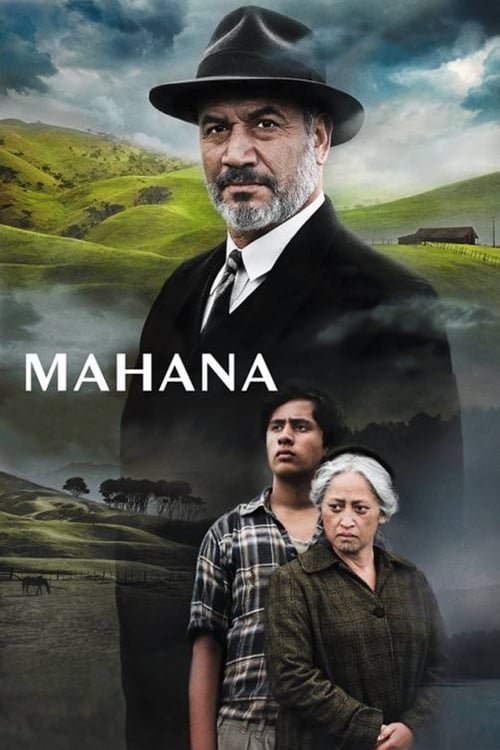
The rural New Zealand setting is integral to the story of Mahana, providing a backdrop that reflects the characters' struggles and the cultural significance of sheep farming. The vast landscapes, rolling hills, and the harsh realities of farm life serve to amplify the emotional stakes of the family feud. The setting also highlights the isolation of the Mahana family, emphasizing their connection to the land and the traditions that bind them, while also showcasing the beauty and challenges of their environment.
How does the character of Awarua Mahana confront the legacy of his family's past?
Awarua Mahana confronts the legacy of his family's past by seeking to understand the reasons behind the longstanding feud with the Poata family. Throughout the film, he grapples with the expectations placed upon him by his father and the weight of family history. Awarua's journey involves questioning the validity of the animosities that have defined his family's identity, leading him to make choices that challenge the status quo and ultimately seek reconciliation rather than revenge.
What is the impact of the tragic event involving Awarua's brother on the family dynamics?
The tragic event involving Awarua's brother has a profound impact on the family dynamics within the Mahana household. This loss exacerbates the existing tensions between the Mahana and Poata families, deepening the animosity and grief. Awarua's family struggles to cope with the tragedy, leading to increased conflict and a sense of helplessness. This event serves as a catalyst for Awarua's character development, pushing him to confront the cycle of violence and seek a different path for his family.
Is this family friendly?
"Mahana," produced in 2016, is generally considered family-friendly, but it does contain some themes and scenes that may be sensitive for children or those who are particularly sensitive. Here are a few aspects to consider:
-
Family Conflict: The film revolves around a longstanding feud between two families, which leads to tension and conflict. This may be unsettling for younger viewers who are sensitive to themes of anger and rivalry.
-
Violence: There are moments of physical confrontation that, while not graphic, depict the consequences of the feud. These scenes may evoke feelings of discomfort or fear.
-
Death and Loss: The story touches on themes of loss and the impact of death within the family, which could be emotionally challenging for some viewers, especially children who may not fully understand these concepts.
-
Cultural Tensions: The film explores cultural and societal issues, including the struggles of a family in a changing world. Some of these themes may be complex and require a certain level of maturity to fully grasp.
-
Emotional Struggles: Characters experience significant emotional turmoil, including feelings of betrayal, anger, and sadness. These emotional scenes may resonate deeply and could be upsetting for sensitive viewers.
Overall, while "Mahana" is suitable for a family audience, parental guidance may be advisable for younger children or those who are particularly sensitive to conflict and emotional themes.