




Popular
What were the key events that led to Ian Brady's arrest?
How did Ian Brady's relationship with Myra Hindley evolve throughout the film?
What role did the police investigation play in the narrative?
How does the film portray Ian Brady's psychological state during his imprisonment?
What impact did Ian Brady's crimes have on the families of the victims?
Should I watch it?
Ask Your Own Question

What is the plot?
Sorry, we aren't able to watch and write up a full detailed plot yet. Check back in a few days.









What is the ending?
In the ending of "Ian Brady: 50 Years Behind Bars," the film culminates with Ian Brady's continued imprisonment and his refusal to express remorse for his crimes. The narrative closes with a reflection on the impact of his actions on the victims' families and society, emphasizing the enduring pain caused by his heinous acts.
As the film progresses towards its conclusion, we see a series of scenes that encapsulate the final years of Ian Brady's life in prison. The camera captures the stark, cold environment of the high-security facility where he has spent decades. Brady, now an elderly man, is shown in solitary confinement, his demeanor unrepentant and defiant. He engages in conversations with mental health professionals, revealing his complex psychological state. His words are chilling, as he discusses his past with a sense of detachment, almost as if recounting a story rather than reflecting on the lives he destroyed.
In a poignant scene, the film juxtaposes Brady's cold recollections with the emotional testimonies of the families of his victims. We hear the voices of parents and loved ones, their grief palpable as they recount the loss of their children. The film intersperses these interviews with images of the places where the crimes occurred, creating a haunting atmosphere that underscores the lasting impact of Brady's actions.
As the narrative unfolds, we witness Brady's interactions with the prison staff, who are often wary of him. His manipulative nature is evident as he attempts to exert control over conversations, revealing his need for power even in confinement. The film captures the tension between Brady and those tasked with managing him, highlighting the challenges of dealing with a figure who has become synonymous with evil.
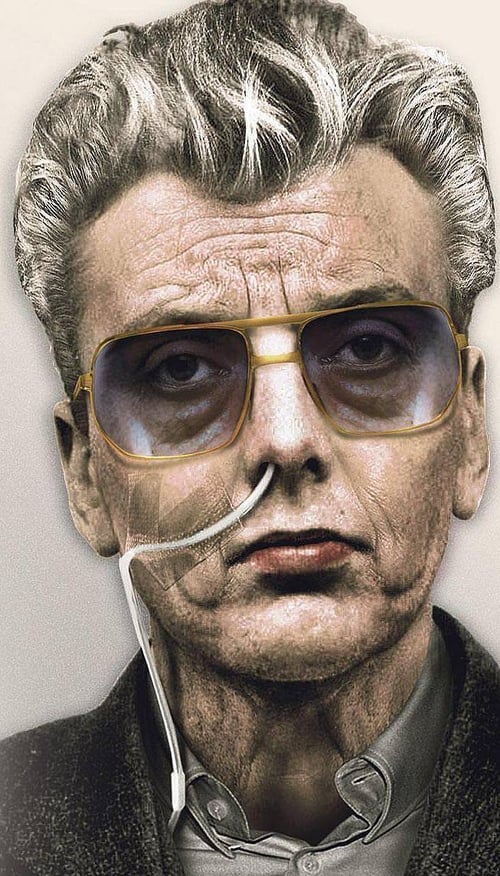
The final scenes focus on Brady's health deteriorating, a stark contrast to his earlier bravado. He is shown in a hospital setting, frail and vulnerable, yet still clinging to his identity as a notorious criminal. The film closes with a somber reflection on the legacy of his crimes, leaving viewers with a sense of unresolved anguish. The families of the victims are left to grapple with their pain, while Brady remains a figure of infamy, unrepentant until the end.
In summary, the ending of "Ian Brady: 50 Years Behind Bars" serves as a chilling reminder of the consequences of his actions, the enduring suffering of the victims' families, and the complexities of a mind that remains unyielding in its darkness.
Is there a post-credit scene?
The movie "Ian Brady: 50 Years Behind Bars" does not feature a post-credit scene. The film concludes with a focus on the life and psyche of Ian Brady, exploring his motivations and the impact of his actions. The ending emphasizes the somber reality of his imprisonment and the lasting effects of his crimes, leaving the audience with a sense of closure regarding his story without any additional scenes after the credits.
What were the key events that led to Ian Brady's arrest?
The film details the chilling events leading to Ian Brady's arrest, focusing on his and Myra Hindley's abduction of children in the 1960s. It highlights their methodical planning, the psychological manipulation of their victims, and the eventual discovery of the bodies, which led to their capture.
How did Ian Brady's relationship with Myra Hindley evolve throughout the film?
The film explores the complex and toxic relationship between Ian Brady and Myra Hindley, showcasing their initial romantic connection that spiraled into a shared obsession with violence. It captures their emotional dependency, as well as the moments of tension and betrayal that ultimately defined their partnership.
What role did the police investigation play in the narrative?
The police investigation is a critical element in the film, illustrating the challenges faced by law enforcement in piecing together the evidence against Brady and Hindley. It depicts the painstaking search for missing children, the gathering of testimonies, and the eventual breakthrough that led to their arrest.
How does the film portray Ian Brady's psychological state during his imprisonment?
The film delves into Ian Brady's psychological state while incarcerated, showcasing his manipulative nature and his attempts to control the narrative around his crimes. It reveals his reflections on his actions, his disdain for societal norms, and his interactions with mental health professionals.
What impact did Ian Brady's crimes have on the families of the victims?
The film poignantly addresses the devastating impact of Brady's crimes on the families of the victims. It includes emotional testimonies and reflections from family members, illustrating their grief, anger, and the long-lasting scars left by the abductions and murders.
Is this family friendly?
"Ian Brady: 50 Years Behind Bars" is not family-friendly and contains several potentially objectionable or upsetting aspects.
-
Graphic Discussions of Violence: The film delves into the violent crimes committed by Ian Brady, including detailed accounts of his actions and the impact on victims' families.
-
Themes of Murder and Abduction: The narrative centers around the abduction and murder of children, which can be distressing for viewers, especially younger audiences.
-
Psychological Manipulation: Brady's manipulative personality and his chilling demeanor are explored, which may be unsettling for sensitive viewers.
-
Emotional Trauma: The film portrays the emotional trauma experienced by the victims' families, showcasing their grief and suffering, which can be heavy and difficult to watch.
-
Dark Historical Context: The film addresses the broader implications of Brady's actions within society, including discussions of fear and moral decay, which may be too intense for children.
Overall, the film's content is likely to be disturbing and is best suited for mature audiences.