



































Popular
What motivates Anna Karenina to pursue a relationship with Count Vronsky despite the risks involved?
How does Count Vronsky's character evolve throughout the film?
What role does Anna's husband, Alexei Alexandrovich Karenin, play in the story?
How does the relationship between Anna and Vronsky affect their social standing?
What are the key moments that lead to Anna's ultimate despair?
Should I watch it?
Ask Your Own Question

What is the plot?
Sorry, we aren't able to watch and write up a full detailed plot yet. Check back in a few days.







What is the ending?
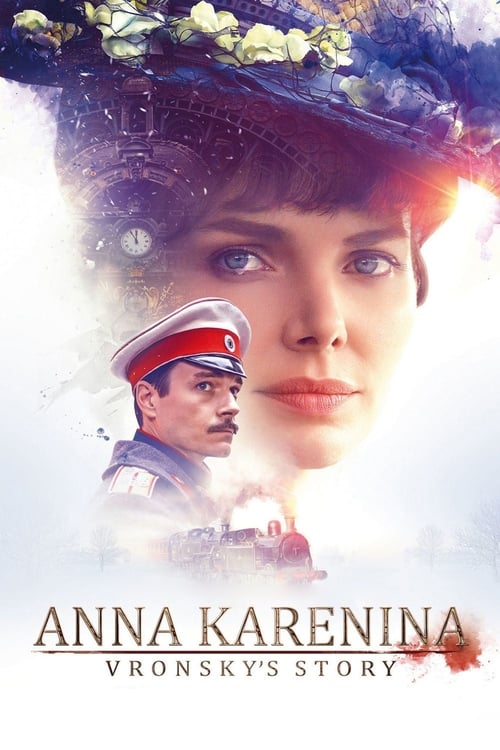
In the ending of "Anna Karenina: Vronsky's Story," Anna's tragic fate culminates in her decision to take her own life, overwhelmed by despair and societal rejection. Vronsky, heartbroken and filled with guilt, is left to grapple with the consequences of their love. The film closes with a sense of unresolved tension, highlighting the emotional turmoil of the characters.
As the final scenes unfold, we find Anna in a state of deep emotional turmoil. She wanders through the bustling streets of St. Petersburg, her mind racing with thoughts of her lost love and the societal pressures that have suffocated her. The camera captures her isolation amidst the crowd, emphasizing her internal struggle. She is haunted by the whispers of society, the judgmental gazes of those who once admired her, now turned to scorn.
In a poignant moment, Anna confronts Vronsky, who is filled with a mix of love and despair. Their conversation is fraught with tension; Anna expresses her feelings of entrapment and hopelessness, while Vronsky desperately tries to reassure her of his love. However, the weight of their circumstances looms large, and Anna's despair only deepens. She feels that their love, once a source of joy, has become a burden that isolates her further from the world.
As the scene shifts, we see Anna at the train station, a place that symbolizes both her longing for escape and her ultimate demise. The atmosphere is heavy with anticipation and dread. She stands on the platform, her heart racing, as she contemplates her choices. The sound of the approaching train grows louder, mirroring her escalating panic. In a moment of clarity, Anna steps closer to the edge of the platform, her mind made up. The camera captures her face, a mixture of fear and resolve, as she takes the final step into the path of the oncoming train.
Vronsky, who has been searching for her, arrives just in time to witness the tragic event. His scream pierces the air, filled with anguish and regret. The scene is heart-wrenching, as he realizes the depth of Anna's despair and the irrevocable loss of their love. The film lingers on Vronsky's face, capturing the raw emotion of a man who has lost the woman he loves to the cruel realities of their world.
In the aftermath, Vronsky is left to grapple with his grief. He wanders through the streets, a shell of the man he once was, burdened by guilt and sorrow. The film closes with a haunting image of him standing alone, reflecting on the love that has been lost and the societal constraints that led to their tragic end. The final shot lingers on his face, a poignant reminder of the cost of love in a world that often punishes those who dare to defy its norms.
The fates of the main characters are sealed in this tragic conclusion: Anna, having succumbed to her despair, is lost forever; Vronsky, left to mourn her, is haunted by the choices they made and the love that could not survive in a world that rejected them. The film ends on a note of unresolved tension, leaving the audience to reflect on the complexities of love, society, and the human condition.
Is there a post-credit scene?
In the movie "Anna Karenina: Vronsky's Story," there is no post-credit scene. The film concludes with a poignant ending that encapsulates the emotional turmoil and tragic fate of the characters, particularly Anna and Vronsky. The narrative wraps up without any additional scenes or epilogues after the credits, leaving the audience to reflect on the themes of love, betrayal, and societal constraints that permeate the story.
What motivates Anna Karenina to pursue a relationship with Count Vronsky despite the risks involved?
Anna Karenina is initially portrayed as a woman trapped in a loveless marriage, feeling stifled by societal expectations and her role as a mother. Her encounter with Count Vronsky ignites a passionate desire for love and freedom, which she has long been denied. The thrill of their connection and the intensity of her feelings drive her to pursue this relationship, despite the potential consequences.
How does Count Vronsky's character evolve throughout the film?
Count Vronsky begins as a charming and confident officer, captivated by Anna's beauty and grace. As their affair deepens, he becomes increasingly obsessed with her, struggling with his own emotions and the societal pressures surrounding their relationship. His initial carefree demeanor shifts to one of desperation and frustration as he grapples with Anna's turmoil and the fallout from their love.
What role does Anna's husband, Alexei Alexandrovich Karenin, play in the story?
Alexei Karenin is a prominent government official who embodies the rigid societal norms of the time. Initially, he is portrayed as a dutiful husband, unaware of Anna's infidelity. When he discovers her affair with Vronsky, he experiences a profound emotional crisis, torn between his love for Anna and his desire to maintain his social standing. His reaction to her betrayal reveals his internal conflict and the constraints of his character.
How does the relationship between Anna and Vronsky affect their social standing?
As Anna and Vronsky's affair becomes public, they face severe social ostracism. Their once-glamorous lives are overshadowed by scandal, leading to Anna's isolation from society and her friends. Vronsky, who initially enjoys the thrill of their romance, begins to feel the weight of societal judgment, which strains their relationship and complicates their emotional states.
What are the key moments that lead to Anna's ultimate despair?
Anna's despair is marked by several key moments: her initial joy in her relationship with Vronsky, the societal backlash she faces, her increasing paranoia about losing him, and her struggles with motherhood and identity. The turning point comes when she feels abandoned by Vronsky, who is torn between his love for her and the pressures of society. This culminates in her tragic decision, driven by a sense of hopelessness and desperation.
Is this family friendly?
"Anna Karenina: Vronsky's Story" contains several themes and scenes that may not be suitable for children or sensitive viewers. Here are some potentially objectionable aspects:
-
Romantic Affairs: The film explores an extramarital affair, which may be confusing or inappropriate for younger audiences. The emotional turmoil surrounding infidelity is a central theme.
-
Emotional Turmoil: Characters experience intense emotional struggles, including jealousy, despair, and societal pressure, which may be distressing for some viewers.
-
Depictions of Class Struggle: The film addresses issues of social class and the consequences of societal expectations, which may be heavy themes for younger viewers to grasp.
-
Suicidal Themes: The narrative includes elements of despair that lead to tragic outcomes, including suicidal thoughts and actions, which can be upsetting.
-
Mature Relationships: The portrayal of adult relationships includes complex dynamics that may not be suitable for children, including discussions of love, betrayal, and personal sacrifice.
These elements contribute to a mature narrative that may require parental guidance for younger audiences.









