





























Popular
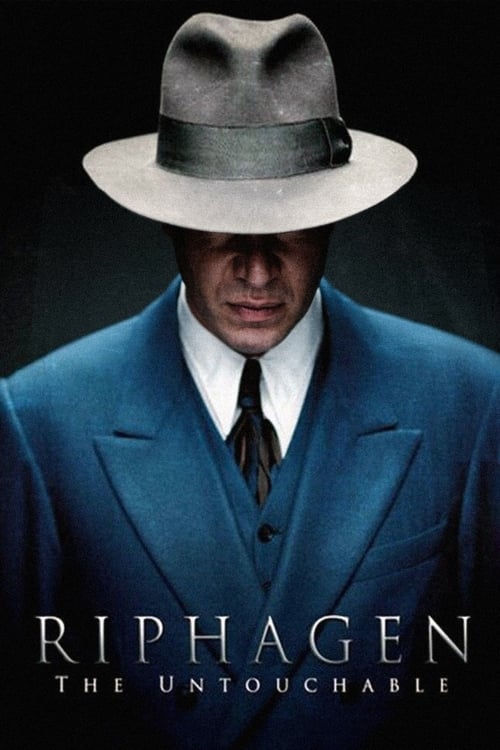
Who is Riphagen and what role does he play in the story?
How does Riphagen's betrayal impact the lives of the Jewish characters in the film?
What is the relationship between Riphagen and the police officer, and how does it evolve throughout the film?
What motivates Riphagen to betray his own people, and how is this depicted in the film?
How does the film portray the atmosphere of Amsterdam during the Nazi occupation?
Should I watch it?
Ask Your Own Question

What is the plot?
Sorry, we aren't able to watch and write up a full detailed plot yet. Check back in a few days.






What is the ending?
In the ending of "Riphagen the Untouchable," the film culminates in a tense confrontation between the main characters, revealing the true nature of betrayal and survival during the Holocaust. Riphagen, the notorious collaborator, continues his ruthless pursuit of Jewish victims, while the resistance fighters and those he has betrayed face dire consequences. The film concludes with a sense of unresolved tension, highlighting the moral complexities of the characters involved.
As the final scenes unfold, we see Riphagen, played by Jeroen van Koningsbrugge, continuing his duplicitous work, betraying those who trust him. He is depicted as a man who thrives on power and manipulation, showing little remorse for his actions. His character is driven by greed and a desire for self-preservation, which ultimately leads to his downfall.
In a pivotal scene, the resistance fighters, who have been working to save Jewish lives, confront Riphagen. The atmosphere is thick with tension as they realize the extent of his betrayal. The stakes are high, and the emotional weight of their struggle is palpable. Each character is faced with the harsh reality of their choices, and the consequences of their actions come to a head.
As the confrontation escalates, Riphagen's arrogance begins to falter. He is cornered by the very people he has wronged, and the fear that has driven him throughout the film becomes evident. The resistance fighters, fueled by a mix of desperation and determination, push back against Riphagen's tyranny. The scene is charged with emotion, showcasing the bravery of those who stand against oppression.
In the final moments, Riphagen's fate is sealed as he is ultimately betrayed by those he thought he could manipulate. The film leaves viewers with a haunting image of his downfall, emphasizing the theme of justice and the inevitable consequences of betrayal. The resistance fighters, though they face their own struggles, emerge with a sense of purpose, having stood up against the darkness that Riphagen represents.
The film concludes on a somber note, reflecting the harsh realities of the time and the moral complexities faced by each character. The fates of the main characters serve as a reminder of the human capacity for both cruelty and courage in the face of unimaginable adversity.
Is there a post-credit scene?
The movie "Riphagen the Untouchable" does not have a post-credit scene. The film concludes its narrative without any additional scenes or content after the credits roll. The story wraps up with a focus on the historical context and the impact of the main character, Willem Riphagen, on the lives of those around him during the tumultuous times of World War II in the Netherlands. The ending emphasizes the moral complexities and the consequences of betrayal, leaving the audience with a sense of reflection on the events depicted in the film.
Who is Riphagen and what role does he play in the story?
Riphagen, played by Jeroen van Koningsbrugge, is a notorious Dutch collaborator during World War II, known for betraying Jews to the Nazis. His character is depicted as cunning and ruthless, using his charm and connections to manipulate others for his gain. He embodies the moral decay of the time, showcasing a complex mix of charisma and villainy.
How does Riphagen's betrayal impact the lives of the Jewish characters in the film?
Riphagen's betrayal has devastating consequences for the Jewish characters, particularly for those who trust him. His actions lead to the arrest and deportation of many, including the protagonist, who struggles to navigate the treacherous landscape of wartime Amsterdam. The emotional turmoil and fear experienced by these characters highlight the personal stakes of Riphagen's treachery.
What is the relationship between Riphagen and the police officer, and how does it evolve throughout the film?
The relationship between Riphagen and the police officer, who is initially portrayed as a potential ally, becomes increasingly complex. The officer is torn between his duty and the moral implications of Riphagen's actions. As the story progresses, the officer's internal conflict deepens, leading to moments of tension and confrontation that reveal the darker side of collaboration.
What motivates Riphagen to betray his own people, and how is this depicted in the film?
Riphagen's motivations are driven by greed, power, and a desire for self-preservation. The film depicts his internal struggle through scenes that showcase his interactions with both the Nazis and the Jewish community. His willingness to sacrifice others for his own benefit is portrayed through his cold calculations and manipulative tactics, emphasizing his moral bankruptcy.
How does the film portray the atmosphere of Amsterdam during the Nazi occupation?
The film vividly captures the oppressive atmosphere of Amsterdam during the Nazi occupation through its cinematography and set design. Dark, shadowy streets, the constant presence of Nazi soldiers, and the fear etched on the faces of the Jewish community create a palpable sense of dread. This setting serves as a backdrop for the characters' struggles, enhancing the emotional weight of their experiences.
Is this family friendly?
"Riphagen the Untouchable" is not considered family-friendly due to its mature themes and content. The film deals with the dark realities of World War II, particularly the persecution of Jews in the Netherlands.
Potentially objectionable or upsetting aspects include:
-
Violence and Brutality: There are scenes depicting violence, including physical confrontations and the harsh treatment of individuals by authorities.
-
Themes of Betrayal: The film explores betrayal and moral corruption, particularly through the character of Riphagen, who exploits vulnerable people for personal gain.
-
Emotional Distress: Characters experience significant emotional turmoil, fear, and despair, which may be distressing for sensitive viewers.
-
Depictions of Oppression: The film portrays the oppressive atmosphere of Nazi-occupied territories, including the fear and anxiety faced by Jewish families.
-
Death and Loss: There are references to death and the loss of loved ones, which can be particularly heavy and upsetting.
These elements contribute to a serious and somber tone throughout the film, making it more suitable for mature audiences.







