
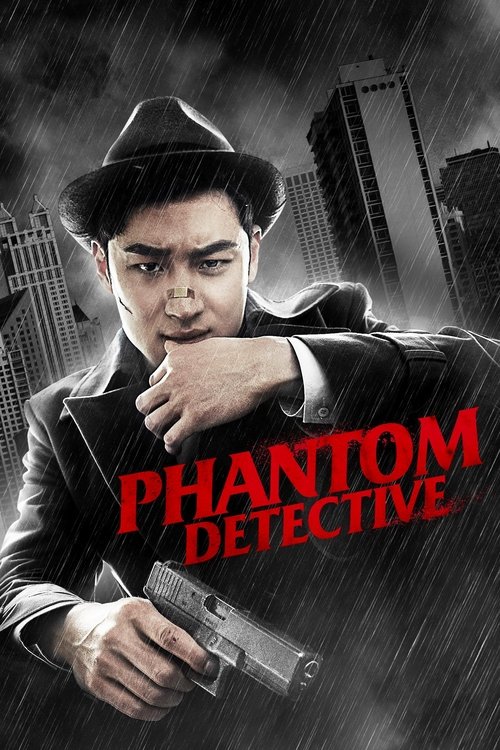

















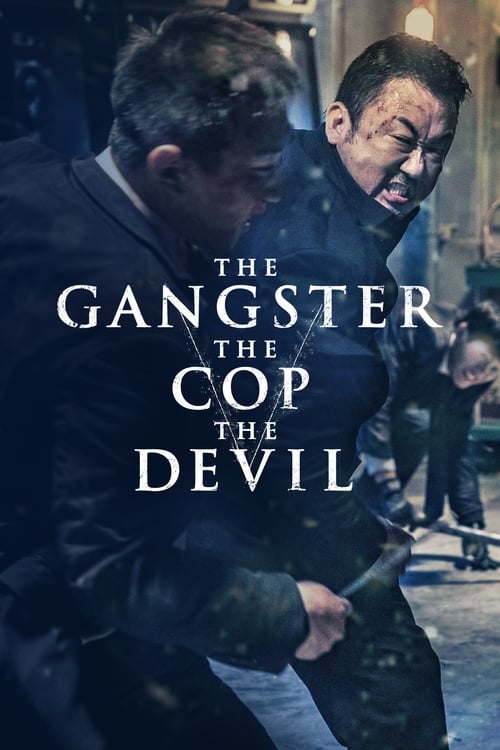
Popular
What significant events lead to the climax of the film?
What motivates the main character, Hong Gil-dong, to become a detective?
How does Hong Gil-dong's relationship with his assistant, the young girl, evolve throughout the film?
What role does the antagonist, the mysterious figure known as 'The Man in Black', play in the story?
How does the film explore the theme of redemption through Hong Gil-dong's character arc?
Should I watch it?
Ask Your Own Question

What is the plot?
Sorry, we aren't able to watch and write up a full detailed plot yet. Check back in a few days.

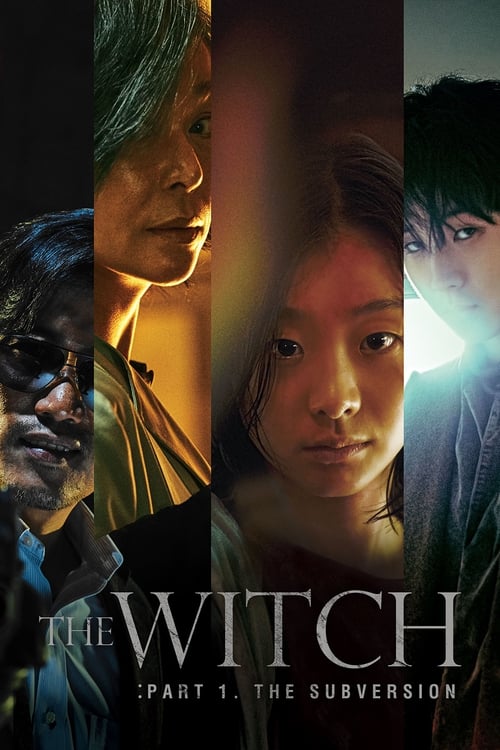
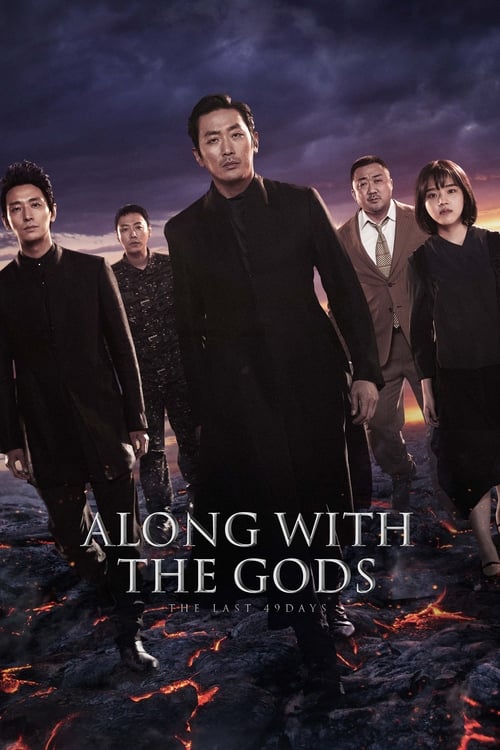





What is the ending?
In the ending of "Phantom Detective," the protagonist, Hong Gil-dong, confronts the antagonist, who is revealed to be connected to his past. After a tense showdown, Gil-dong manages to defeat the villain, leading to a resolution of his personal quest for vengeance and closure regarding his mother's death. The film concludes with Gil-dong finding a sense of peace and purpose, having reconciled with his past.
As the climax of "Phantom Detective" unfolds, we find Hong Gil-dong, a private detective with a troubled past, standing at the precipice of his long-sought revenge. The scene is set in a dimly lit warehouse, where the air is thick with tension. Gil-dong, fueled by a mix of anger and determination, confronts the antagonist, who has been orchestrating a series of events that have haunted him for years. The villain, a shadowy figure from Gil-dong's past, taunts him, revealing the depths of their connection and the pain that has been inflicted upon him.
As the confrontation escalates, the camera captures the raw emotions on Gil-dong's face--his eyes burning with a fierce resolve, yet shadowed by the weight of his memories. The fight is brutal, showcasing Gil-dong's skills as he navigates through a series of obstacles, both physical and emotional. Each punch thrown is not just a strike against the antagonist but a cathartic release of years of pent-up frustration and sorrow.
In a pivotal moment, Gil-dong recalls the image of his mother, whose tragic death has been the driving force behind his quest for justice. This memory fuels his strength, and with a final surge of energy, he overpowers the antagonist. The scene is visceral, with the sounds of their struggle echoing in the empty warehouse, punctuated by the heavy breathing of both men as they grapple with their fates.
As the dust settles, Gil-dong stands over the defeated villain, a mix of triumph and sorrow washing over him. He realizes that while he has avenged his mother, the act does not erase the pain of his past. The antagonist, now vulnerable, offers a final, chilling confession that adds layers to their shared history, leaving Gil-dong to grapple with the complexities of vengeance and forgiveness.
In the aftermath, we see Gil-dong walking away from the warehouse, the weight of his actions heavy on his shoulders. The sun begins to rise, casting a warm glow over the city, symbolizing a new beginning. He is no longer just a detective seeking revenge; he has transformed into a man who understands the importance of moving forward. The film closes with a poignant shot of Gil-dong, a solitary figure against the backdrop of a bustling city, hinting at his newfound purpose and the possibility of healing.
The fates of the main characters are intertwined with this resolution. Gil-dong, having faced his demons, steps into a future where he can finally let go of the past. The antagonist, defeated and exposed, serves as a reminder of the darkness that can consume a person when driven by hatred. The film leaves viewers with a sense of closure, emphasizing the themes of redemption, the complexity of human emotions, and the journey toward self-acceptance.
Is there a post-credit scene?
In the movie "Phantom Detective," there is indeed a post-credit scene that adds an intriguing layer to the story. After the main credits roll, the scene opens in a dimly lit room where the protagonist, Hong Gil-dong, is seen sitting at a table, deep in thought. The atmosphere is tense, filled with a sense of unresolved tension.
As he stares at a series of photographs spread out before him, the camera zooms in on his face, revealing a mix of determination and lingering sadness. The photographs depict various characters from the film, hinting at their fates and the connections that still bind them. This moment reflects his internal struggle and the weight of the choices he has made throughout the film.
Suddenly, the door creaks open, and a shadowy figure enters the room. The figure is partially obscured, but the audience can sense an air of mystery surrounding them. Hong Gil-dong looks up, his expression shifting from contemplation to alertness. The scene ends on a cliffhanger, leaving viewers with questions about the identity of the figure and what implications this encounter might have for Hong Gil-dong's future.
This post-credit scene serves to reinforce the themes of unresolved conflict and the ongoing quest for redemption that permeate the film, inviting the audience to ponder the next chapter in Hong Gil-dong's journey.
What significant events lead to the climax of the film?
The climax is reached when Hong Gil-dong finally confronts The Man in Black after a series of intense investigations and personal revelations. Key events leading up to this moment include the discovery of crucial evidence linking the antagonist to his mother's disappearance and the emotional turmoil Gil-dong experiences as he grapples with his past and the choices he must make.
What motivates the main character, Hong Gil-dong, to become a detective?
Hong Gil-dong, the protagonist, is driven by a deep-seated desire for justice and a personal vendetta against the criminal underworld that wronged him in the past. His motivation is further fueled by the mysterious disappearance of his mother, which he believes is connected to the cases he takes on.
How does Hong Gil-dong's relationship with his assistant, the young girl, evolve throughout the film?
Initially, Hong Gil-dong is somewhat distant and focused on his own goals, but as the story progresses, he develops a protective bond with his assistant. She becomes a source of emotional support for him, and their relationship transforms from one of mere convenience to a familial connection, highlighting themes of trust and loyalty.
What role does the antagonist, the mysterious figure known as 'The Man in Black', play in the story?
The Man in Black serves as the primary antagonist, representing the dark forces that Hong Gil-dong must confront. His presence is shrouded in mystery, and he embodies the challenges and moral dilemmas that Gil-dong faces. The tension between them escalates as Gil-dong uncovers the truth about his past and the connection to his mother.
How does the film explore the theme of redemption through Hong Gil-dong's character arc?
Hong Gil-dong's journey is one of redemption as he seeks to atone for his past mistakes and failures. Throughout the film, he faces various moral challenges that force him to confront his own demons. His character arc culminates in a moment of self-sacrifice and bravery, where he chooses to protect those he cares about, ultimately finding a sense of peace and purpose.
Is this family friendly?
"Phantom Detective," produced in 2016, is a South Korean action-comedy film that contains several elements that may not be suitable for children or sensitive viewers. Here are some potentially objectionable or upsetting aspects:
-
Violence: The film features action sequences that include fights, chases, and some scenes of physical confrontation. While the violence is often stylized and comedic, it may still be intense for younger audiences.
-
Mature Themes: The story involves themes of revenge, loss, and the darker aspects of human nature, which may be difficult for children to understand or process.
-
Language: There are instances of strong language and crude humor that may not be appropriate for younger viewers.
-
Emotional Turmoil: Characters experience significant emotional distress, including grief and betrayal, which could be upsetting for sensitive viewers.
-
Crime Elements: The plot revolves around a detective and criminal activities, which may not be suitable for all children, as it portrays a world of deception and moral ambiguity.
Overall, while "Phantom Detective" has comedic elements, its blend of action and mature themes may make it more appropriate for older teens and adults rather than a family-friendly film.







