






Popular
What events lead up to the shooting at the University of Texas in Tower?
How does the film portray the character of Charles Whitman?
What are the experiences of the survivors during the shooting?
How does the film depict the response of law enforcement during the shooting?
What role do the flashbacks play in the storytelling of Tower?
Should I watch it?
Ask Your Own Question

What is the plot?
Sorry, we aren't able to watch and write up a full detailed plot yet. Check back in a few days.








What is the ending?
In the ending of the movie "Tower," the survivors of the 1966 University of Texas tower shooting reflect on their experiences and the impact of the tragedy on their lives. The film concludes with a sense of resilience and the importance of remembering those lost, as the characters share their stories and the lasting scars of that day.
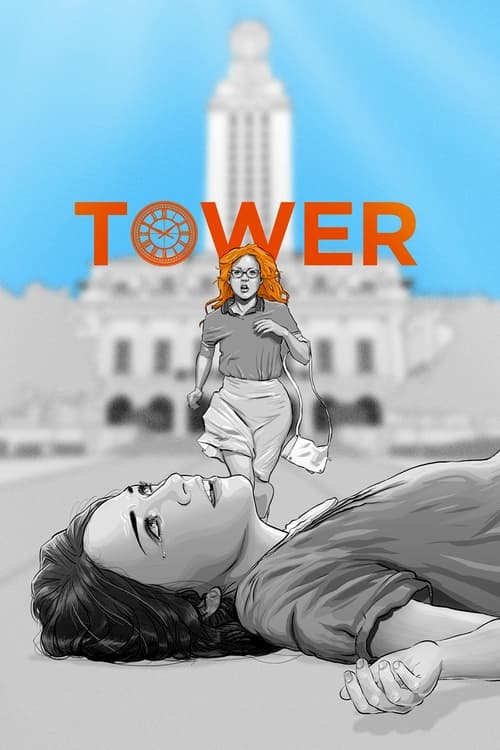
As the film approaches its conclusion, the narrative shifts back to the day of the shooting. The tension escalates as the police and emergency responders arrive at the scene, desperately trying to manage the chaos. The film intersperses animated sequences with real-life testimonies, creating a poignant juxtaposition of the horror and the human experience.
The character of Claire Wilson, who was pregnant at the time of the shooting, is shown in a moment of vulnerability as she is shot while trying to protect her boyfriend. The emotional weight of her experience is palpable as she recalls the fear and uncertainty of that day. Claire survives but loses her child, a tragedy that haunts her throughout her life.
Another key character, a young boy named Tom, is depicted hiding under a car, terrified and unsure of what is happening. His innocence is shattered as he witnesses the violence unfold. Tom's fate is one of survival, but the trauma of that day leaves an indelible mark on him, shaping his future and his understanding of the world.
As the film progresses, the narrative highlights the bravery of the first responders and the civilians who risked their lives to help others. The emotional toll of the event is evident in the testimonies of those who lived through it, as they grapple with their memories and the loss of friends and loved ones.
The film concludes with a powerful montage of the survivors reflecting on their experiences, emphasizing the importance of remembrance and the resilience of the human spirit. The characters express their hope for a future where such violence does not occur again, underscoring the film's message about the impact of tragedy and the strength found in community and shared experiences.
In the final moments, the survivors come together, united by their shared trauma, and the screen fades to black, leaving the audience with a sense of both sorrow and hope. The film closes with a reminder of the lives lost and the enduring legacy of those who survived, encapsulating the profound effects of the shooting on the community and the individuals involved.
Is there a post-credit scene?
The movie "Tower," produced in 2016, does not have a post-credit scene. The film concludes its narrative without any additional scenes or content after the credits roll. The focus remains on the powerful storytelling and the emotional impact of the events depicted, centering on the tragic shooting at the University of Texas in 1966 and the experiences of those who were affected by it. The film emphasizes the personal stories and memories of survivors, leaving the audience with a poignant reflection on the impact of violence and the resilience of the human spirit.
What events lead up to the shooting at the University of Texas in Tower?
The film begins with a depiction of the peaceful atmosphere on the University of Texas campus on August 1, 1966. Students are attending classes, and the sun shines brightly, creating a stark contrast to the chaos that will soon unfold. As the day progresses, we see glimpses of various students and faculty members, each engaged in their daily routines, unaware of the impending tragedy. The narrative builds tension as it introduces Charles Whitman, a former Marine, who is struggling with his inner demons and mental health issues. His growing paranoia and violent thoughts foreshadow the horrific events that will soon take place.
How does the film portray the character of Charles Whitman?
Charles Whitman is depicted as a complex character, struggling with deep-seated psychological issues. The film presents him as a troubled individual, showcasing his military background and the emotional turmoil he experiences. Through flashbacks, we see his interactions with his family, particularly his domineering mother and his strained relationship with his wife, which contribute to his feelings of isolation and anger. The film delves into his psyche, revealing his internal conflicts and the moments that lead him to commit the unthinkable act of violence.
What are the experiences of the survivors during the shooting?
The survivors' experiences during the shooting are portrayed with harrowing detail. As the chaos erupts, students and faculty members scramble for safety, hiding under desks and behind walls. The film captures their fear, confusion, and desperation as they witness the unfolding tragedy. Personal stories emerge, such as that of a young woman who is shot but manages to crawl to safety, and a student who bravely attempts to help others despite the danger. The emotional weight of their experiences is palpable, as they grapple with the trauma of the event and its lasting impact on their lives.
How does the film depict the response of law enforcement during the shooting?
The film illustrates the chaotic response of law enforcement as they arrive on the scene of the shooting. Officers are shown coordinating their efforts, trying to assess the situation while under fire. The tension is heightened as they face the challenge of navigating the campus and locating the shooter. The film highlights the bravery of the officers who risk their lives to save others, as well as the confusion and miscommunication that can occur in such high-stress situations. Their determination to protect the students and bring the situation under control is a central focus during these intense moments.
What role do the flashbacks play in the storytelling of Tower?
Flashbacks are a crucial narrative device in Tower, providing context and depth to the characters' experiences. They interweave the past and present, allowing viewers to understand the backgrounds of both the victims and the shooter. These glimpses into the characters' lives before the tragedy help to humanize them, showcasing their hopes, dreams, and relationships. The emotional resonance of the flashbacks contrasts sharply with the horror of the shooting, emphasizing the loss of potential and the impact of violence on individuals and the community.
Is this family friendly?
The movie "Tower," produced in 2016, is a documentary that recounts the tragic events of the 1966 University of Texas tower shooting. While it is a powerful and important film, it contains several elements that may be objectionable or upsetting for children or sensitive viewers.
-
Graphic Descriptions of Violence: The film includes firsthand accounts of the shooting, which may involve graphic descriptions of violence and the impact on victims.
-
Emotional Trauma: The emotional weight of the survivors' stories can be intense, as they recount their experiences of fear, loss, and trauma.
-
Depictions of Death: There are references to fatalities and the aftermath of the shooting, which may be distressing for younger audiences.
-
Themes of Grief and Loss: The film explores themes of grief, loss, and the long-lasting effects of violence, which may be heavy for sensitive viewers.
-
Real-Life Tragedy: As a documentary based on a real-life event, the film presents the harsh realities of a mass shooting, which can be unsettling.
Due to these elements, "Tower" may not be suitable for younger audiences or those who are particularly sensitive to themes of violence and trauma.






