









Popular
How does Giulia's relationship with her father evolve throughout the film?
What is the significance of the title 'La settima onda' in relation to the main character's journey?
What role does the seaside setting play in Giulia's emotional development?
Who is Marco, and how does he influence Giulia's journey?
What are the key events that lead to Giulia's realization about her past?
Should I watch it?
Ask Your Own Question

What is the plot?
Sorry, we aren't able to watch and write up a full detailed plot yet. Check back in a few days.









What is the ending?
In the ending of "La settima onda," the main characters, including the protagonist, face the culmination of their emotional journeys. The film concludes with a sense of resolution and hope, as the characters confront their pasts and make choices that lead to new beginnings.
As the film approaches its climax, we find the protagonist, a young woman named Giulia, grappling with her feelings for her childhood friend, a boy named Marco. The tension between them has been building throughout the film, marked by moments of longing and unresolved emotions. In the final scenes, Giulia must confront her fears and insecurities, leading to a pivotal moment where she decides to express her true feelings to Marco.
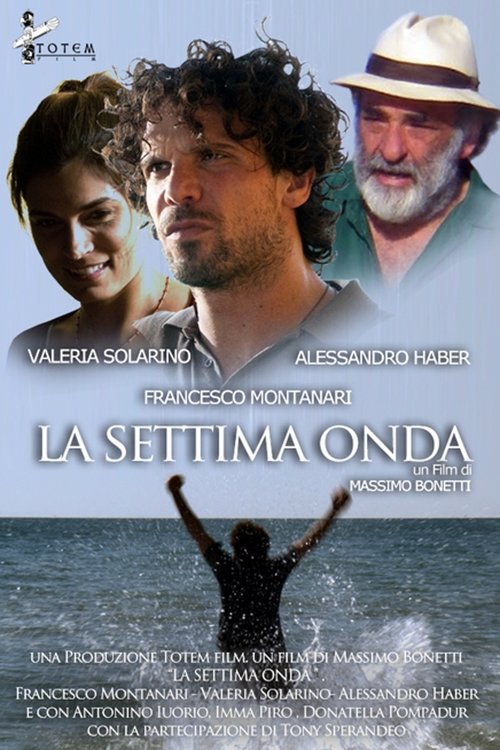
In a beautifully shot scene by the seaside, the waves crash against the shore, symbolizing the tumultuous emotions within Giulia. She takes a deep breath, her heart racing, as she finally opens up to Marco about her love for him. The vulnerability in her voice is palpable, and the camera captures the intensity of the moment as Marco listens intently, his expression shifting from surprise to understanding.
As they share this intimate exchange, the atmosphere is charged with a mix of hope and uncertainty. Marco, too, reveals his own feelings, and the two embrace, their connection deepening as they stand together against the backdrop of the ocean. This moment signifies a turning point for both characters, as they choose to face their emotions rather than run from them.
Meanwhile, other characters in the film also reach their own resolutions. Giulia's best friend, who has been struggling with her own relationship issues, finds clarity and strength in her choices, leading to a newfound sense of independence. The film emphasizes the importance of self-discovery and the courage to pursue one's desires.
As the final scenes unfold, the sun begins to set, casting a warm glow over the beach. Giulia and Marco walk hand in hand along the shore, their silhouettes framed against the vibrant colors of the sky. The waves continue to crash, echoing the theme of resilience and the cyclical nature of life and love.
In the closing moments, the camera pans out, capturing the vastness of the ocean and the couple's small figures, symbolizing the endless possibilities that lie ahead. The film ends on a hopeful note, suggesting that while challenges may arise, the bonds formed through love and friendship can guide individuals toward brighter futures.
In summary, the ending of "La settima onda" encapsulates the characters' growth and the transformative power of love, leaving the audience with a sense of optimism and the belief that new beginnings are always possible.
Is there a post-credit scene?
In the movie "La settima onda," there is no post-credit scene. The film concludes its narrative without any additional scenes or content after the credits roll. The story wraps up with a focus on the emotional resolution of the main characters, leaving the audience with a sense of closure regarding their journey and experiences throughout the film.
How does Giulia's relationship with her father evolve throughout the film?
Giulia's relationship with her father is strained at the beginning of the film, as she grapples with feelings of abandonment and resentment stemming from his past decisions. As the story progresses, Giulia begins to understand her father's motivations and the sacrifices he made. Key scenes depict their emotional confrontations, where Giulia's anger transforms into empathy, ultimately leading to a poignant reconciliation that highlights the complexities of familial love.
What is the significance of the title 'La settima onda' in relation to the main character's journey?
The title 'La settima onda' refers to the seventh wave, which symbolizes a turning point in the protagonist's emotional and psychological journey. Throughout the film, the main character, a young woman named Giulia, experiences a series of waves of emotions and challenges that lead her to confront her past and her feelings of loss. The seventh wave represents the culmination of her struggles and the moment she must embrace change and acceptance.
What role does the seaside setting play in Giulia's emotional development?
The seaside setting serves as a powerful backdrop for Giulia's emotional development. The ocean represents both turmoil and tranquility, mirroring her internal struggles. Key scenes take place on the beach, where Giulia reflects on her memories and confronts her fears. The sound of the waves crashing and the vastness of the sea evoke feelings of isolation and longing, but also hope and renewal as she learns to navigate her emotions and find peace.
Who is Marco, and how does he influence Giulia's journey?
Marco is a pivotal character in Giulia's journey, serving as a love interest who helps her confront her emotional barriers. Initially, Giulia is hesitant to open up to him due to her past traumas. However, Marco's patience and understanding gradually encourage her to explore her feelings. Their relationship is marked by tender moments and shared vulnerabilities, ultimately leading Giulia to realize the importance of connection and trust in overcoming her struggles.
What are the key events that lead to Giulia's realization about her past?
Key events that lead to Giulia's realization about her past include a series of flashbacks that reveal her childhood memories, particularly moments with her father that shaped her feelings of abandonment. A pivotal scene occurs when she discovers an old letter from her father, prompting her to confront her unresolved emotions. Additionally, conversations with Marco and her experiences at the beach serve as catalysts for her introspection, culminating in a powerful moment of acceptance and understanding of her family's history.
Is this family friendly?
"La settima onda" is a romantic drama that explores themes of love, loss, and personal growth. While it is not explicitly a children's film, it does contain elements that may be suitable for older teens and adults. However, there are some potentially objectionable or upsetting aspects that could affect children or sensitive viewers:
-
Emotional Turmoil: The film delves into deep emotional struggles, including themes of grief and heartbreak, which may be intense for younger audiences.
-
Romantic Relationships: There are scenes depicting romantic relationships that may include emotional conflicts, misunderstandings, and the complexities of love, which could be confusing for younger viewers.
-
Loss and Separation: The narrative involves characters dealing with loss and separation, which may evoke strong feelings of sadness or anxiety.
-
Mature Themes: The film touches on themes of existential reflection and personal identity, which may be more suitable for mature audiences who can grasp these concepts.
-
Tense Moments: There are scenes that may create tension or anxiety, particularly related to the characters' struggles and conflicts.
Overall, while "La settima onda" is not overtly graphic or violent, its emotional depth and mature themes may not be appropriate for younger children or those sensitive to such content.