



































Popular
What motivates Michael Finkel to write about Christian Longo's story?
How does Christian Longo manipulate Michael Finkel during their interactions?
What is the significance of the relationship between Michael Finkel and his girlfriend, Jill?
How does the film portray the media's role in the criminal justice system through Finkel's story?
What internal conflicts does Michael Finkel experience throughout the film?
Should I watch it?
Ask Your Own Question

What is the plot?
Sorry, we aren't able to watch and write up a full detailed plot yet. Check back in a few days.






What is the ending?
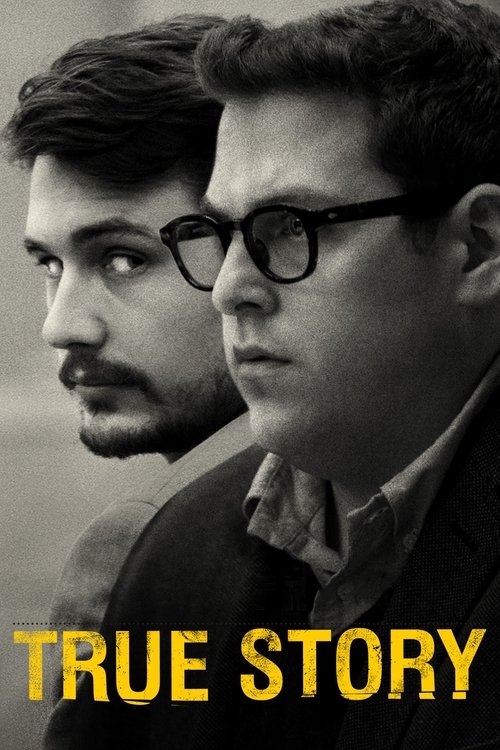
In the ending of the movie "True Story," journalist Michael Finkel confronts the truth about the man he has been writing about, Christian Longo, who has been convicted of murdering his family. The film culminates in a tense exchange where Finkel realizes the extent of Longo's manipulation and deceit. Ultimately, Longo is sentenced to death, and Finkel is left grappling with the moral implications of his relationship with Longo and the story he has pursued.
As the film draws to a close, we see Michael Finkel, portrayed by Jonah Hill, sitting in a dimly lit room, reflecting on his tumultuous journey. He has been deeply affected by his interactions with Christian Longo, played by James Franco. The tension between them has escalated, and Finkel is now aware that Longo has been using him to craft a narrative that serves his own interests.
In the final scenes, Finkel visits Longo in prison one last time. The atmosphere is heavy with unspoken words and unresolved emotions. Longo, who has been charming and manipulative throughout their meetings, reveals more about his life and the murders he committed. Finkel listens intently, but there is a growing sense of disillusionment within him. He realizes that Longo's version of events is not only self-serving but also a twisted reflection of his own desires for a compelling story.
As the conversation progresses, Longo's facade begins to crack. He admits to the murders but continues to spin a narrative that paints him as a victim of circumstance. Finkel, feeling the weight of his own journalistic integrity, struggles with the moral implications of giving Longo a platform. The emotional stakes are high, and Finkel's internal conflict is palpable as he grapples with the truth of Longo's actions versus the story he has been trying to tell.
The film then shifts to the courtroom, where Longo is sentenced to death. The finality of the verdict hangs in the air, and Finkel watches, a mix of relief and sorrow washing over him. He understands that while he has uncovered the truth, the cost has been significant. Longo's fate is sealed, and Finkel is left to ponder the impact of his choices.
In the closing moments, Finkel reflects on the nature of truth and storytelling. He has lost his job, faced public scrutiny, and wrestled with the moral complexities of his relationship with Longo. The film ends with Finkel walking away from the courthouse, a man changed by his experiences, burdened by the knowledge that some stories come at a great personal cost. The screen fades to black, leaving the audience to contemplate the intricate web of truth, deception, and the human condition that has unfolded throughout the film.
Is there a post-credit scene?
The movie "True Story," released in 2015, does not have a post-credit scene. The film concludes its narrative without any additional scenes or content after the credits roll. The story wraps up with the resolution of the main plot involving journalist Michael Finkel and the convicted murderer Christian Longo, focusing on the complexities of their relationship and the moral dilemmas surrounding truth and storytelling. The absence of a post-credit scene allows the audience to reflect on the themes of identity, deception, and the nature of truth presented throughout the film.
What motivates Michael Finkel to write about Christian Longo's story?
Michael Finkel, a disgraced New York Times journalist, is motivated by a mix of personal and professional desperation. After being fired for fabricating a story, he sees Christian Longo's case as an opportunity to redeem himself and regain his credibility as a writer. He is drawn to Longo's complex narrative and the mystery surrounding his life, which he believes could lead to a compelling story that would re-establish his career.
How does Christian Longo manipulate Michael Finkel during their interactions?
Christian Longo skillfully manipulates Michael Finkel by playing on his emotions and vulnerabilities. He presents himself as a misunderstood figure, sharing intimate details about his life and the circumstances surrounding the murder of his family. Longo's charm and charisma draw Finkel in, making him question the morality of his own profession and the nature of truth, which ultimately complicates their relationship.
What is the significance of the relationship between Michael Finkel and his girlfriend, Jill?
The relationship between Michael Finkel and his girlfriend, Jill, serves as a grounding force in the narrative. Jill represents a voice of reason and emotional support for Finkel, often challenging his decisions regarding the Longo case. Her concerns about Finkel's obsession with Longo highlight the ethical dilemmas he faces, and her eventual disapproval of his choices underscores the personal cost of his professional ambitions.
How does the film portray the media's role in the criminal justice system through Finkel's story?
The film portrays the media's role in the criminal justice system as both influential and problematic. Through Finkel's pursuit of Longo's story, it illustrates how sensationalism can distort the truth and impact public perception. Finkel's struggle to balance journalistic integrity with the desire for a captivating narrative reflects the ethical challenges faced by journalists, especially when covering high-profile criminal cases.
What internal conflicts does Michael Finkel experience throughout the film?
Michael Finkel experiences significant internal conflicts as he grapples with his professional ethics and personal identity. He is torn between his ambition to write a compelling story and the moral implications of exploiting Longo's tragic circumstances. As he delves deeper into Longo's psyche, Finkel begins to question his own motivations and the nature of truth, leading to a crisis of conscience that affects both his career and personal life.
Is this family friendly?
The movie "True Story," produced in 2015, is not considered family-friendly due to its mature themes and content. Here are some potentially objectionable or upsetting aspects that may affect children or sensitive viewers:
-
Murder and Crime: The film revolves around a murder case, which includes discussions and depictions of violent crime, including the emotional aftermath of such events.
-
Infidelity and Betrayal: There are themes of infidelity and personal betrayal that are explored, which may be distressing for younger audiences.
-
Substance Abuse: The film touches on issues related to substance abuse, which may be uncomfortable for some viewers.
-
Emotional Distress: Characters experience significant emotional turmoil, including feelings of guilt, shame, and despair, which could be heavy for sensitive viewers.
-
Graphic Language: The dialogue includes strong language and adult themes that may not be suitable for children.
-
Psychological Tension: The film builds a sense of psychological tension and unease, which may be unsettling for younger audiences.
Overall, the film's exploration of dark and complex themes makes it more appropriate for mature viewers.







