
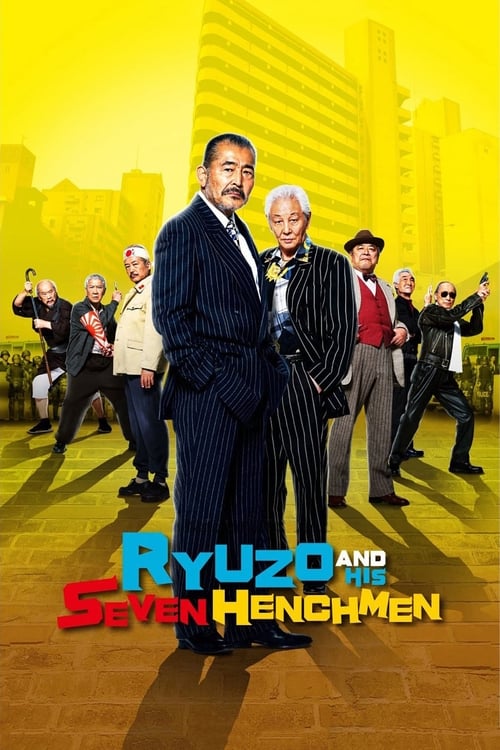


















Popular
Who is Ryuzo and what motivates him throughout the film?
What role do the seven henchmen play in Ryuzo's journey?
How does Ryuzo's relationship with his son affect the plot?
What is the significance of the rival gang in the story?
How does the film portray the theme of aging and nostalgia through Ryuzo's character?
Should I watch it?
Ask Your Own Question

What is the plot?
Sorry, we aren't able to watch and write up a full detailed plot yet. Check back in a few days.
More Movies Like This
Browse All Movies →


What is the ending?
In the ending of "Ryuzo and the Seven Henchmen," Ryuzo and his henchmen confront the rival gang, leading to a climactic showdown. Ryuzo ultimately sacrifices himself to save his friends, and the remaining henchmen manage to defeat their enemies. The film concludes with a sense of camaraderie and the realization of the importance of friendship and loyalty.
As the final act unfolds, the scene opens with Ryuzo and his seven henchmen gathering in their hideout, a dimly lit room filled with remnants of their past glory. The atmosphere is tense, as they prepare for the inevitable confrontation with the rival gang that has been threatening their territory. Ryuzo, despite his age and the weight of his past, stands at the forefront, his eyes filled with determination. He rallies his henchmen, reminding them of their shared history and the bonds they forged over the years. Each henchman, though hesitant, feels a flicker of the old spirit igniting within them.
The scene shifts to the rival gang's lair, where their leader, a menacing figure, boasts about his power and the fear he instills in others. The contrast between the two groups is stark; the rival gang is younger, more ruthless, and driven by ambition, while Ryuzo and his henchmen are older, nostalgic, and motivated by loyalty to one another. As the two groups prepare for battle, the tension escalates, and the stakes become clear.
The confrontation begins in a chaotic flurry of fists and shouts. Ryuzo, despite his age, fights valiantly, showcasing his skills and experience. His henchmen, inspired by his bravery, join the fray, each displaying their unique fighting styles. The camera captures the intensity of the battle, with close-ups of the characters' faces reflecting their determination and fear. Ryuzo's henchmen, once a group of misfits, now fight as a cohesive unit, embodying the spirit of brotherhood.
As the fight rages on, Ryuzo finds himself face-to-face with the rival gang's leader. In a moment of desperation, he realizes that to protect his friends, he must make the ultimate sacrifice. With a heavy heart, he confronts the leader, engaging in a fierce duel. The emotional weight of this moment is palpable; Ryuzo's internal struggle is evident as he fights not just for survival, but for the legacy of his friendship with his henchmen.
In a climactic moment, Ryuzo manages to defeat the leader, but not without sustaining serious injuries. As he collapses, his henchmen rush to his side, their expressions a mix of grief and gratitude. Ryuzo, with his last breath, tells them to continue fighting for one another, to cherish the bonds they have formed. His sacrifice ignites a renewed sense of purpose in the remaining henchmen, who rally together to finish the fight.
The final scenes depict the aftermath of the battle. The rival gang is defeated, and Ryuzo's henchmen stand victorious, albeit with heavy hearts. They gather around Ryuzo's body, mourning their fallen leader but also celebrating the strength of their friendship. The camera pans out, showing the group united, a testament to the power of loyalty and camaraderie.
In the closing moments, the henchmen reflect on their journey, realizing that they have not only fought for their territory but for each other. They vow to honor Ryuzo's memory by continuing to support one another, embodying the values he instilled in them. The film ends on a poignant note, emphasizing the importance of friendship, sacrifice, and the enduring bonds that can be formed even in the most challenging of circumstances.
Is there a post-credit scene?
In "Ryuzo and the Seven Henchmen," there is indeed a post-credit scene that adds a humorous twist to the film's conclusion. After the credits roll, the scene opens with Ryuzo, the aging yakuza boss, sitting in a dimly lit room, looking contemplative. He is surrounded by his loyal but bumbling henchmen, who are engaged in a light-hearted discussion about their future plans now that their mission has concluded.
As they reminisce about their past exploits, Ryuzo suddenly stands up, a spark of determination in his eyes. He declares that they should embark on a new adventure, hinting at a potential comeback for their yakuza group. The henchmen, initially confused, quickly rally around him, their enthusiasm palpable as they cheer and chant his name.
The scene captures the essence of camaraderie and the undying spirit of the group, despite their age and the absurdity of their situation. It leaves the audience with a sense of nostalgia and laughter, reinforcing the film's themes of friendship and the enduring bonds of loyalty, even in the face of life's challenges. The post-credit scene serves as a light-hearted reminder that adventure can still await, no matter how old one gets.
Who is Ryuzo and what motivates him throughout the film?
Ryuzo is a retired yakuza boss who struggles with the loss of his former glory and the loneliness of aging. His motivation stems from a desire to reclaim his past and find purpose in his life, leading him to gather a group of misfit henchmen to help him confront a new threat.
What role do the seven henchmen play in Ryuzo's journey?
The seven henchmen, each with their own quirks and backgrounds, serve as both comic relief and emotional support for Ryuzo. They represent a mix of loyalty and incompetence, which highlights Ryuzo's struggle to adapt to a world that has moved on without him. Their interactions with Ryuzo reveal his longing for camaraderie and the challenges of leading a group that is out of touch with their former lives.
How does Ryuzo's relationship with his son affect the plot?
Ryuzo's relationship with his son is strained, as his son disapproves of his past life as a yakuza. This tension adds depth to Ryuzo's character, showcasing his internal conflict between wanting to reconnect with his son and his desire to embrace his old identity. The son's disapproval serves as a catalyst for Ryuzo's actions and decisions throughout the film.
What is the significance of the rival gang in the story?
The rival gang represents the new generation of criminals who have taken over the yakuza's territory. Their presence forces Ryuzo and his henchmen to confront their own obsolescence and the changing landscape of crime. The conflict with the rival gang serves as a backdrop for Ryuzo's journey of self-discovery and the rekindling of his leadership skills.
How does the film portray the theme of aging and nostalgia through Ryuzo's character?
The film poignantly portrays aging and nostalgia through Ryuzo's character as he grapples with the reality of his diminished status and the memories of his past. His attempts to relive his glory days with the henchmen are often met with humorous failures, reflecting both the absurdity and poignancy of clinging to the past. This theme is woven throughout his interactions and the challenges he faces, ultimately leading to moments of reflection and acceptance.
Is this family friendly?
"Ryuzo and the Seven Henchmen" is a Japanese comedy film that contains several elements that may not be suitable for children or sensitive viewers. Here are some potentially objectionable aspects:
-
Violence and Crime: The film revolves around a retired yakuza member and his henchmen, which includes scenes depicting violence, crime, and gang-related activities. While presented in a comedic manner, the themes of organized crime may be unsettling.
-
Mature Themes: The storyline includes themes of aging, loss of purpose, and the struggles of retirement, which may resonate differently with younger audiences or those sensitive to such topics.
-
Language and Humor: The film features adult humor and language that may not be appropriate for children. Some jokes may involve innuendos or references that are better suited for a mature audience.
-
Emotional Struggles: Characters experience feelings of inadequacy, nostalgia, and existential crises, which could be heavy for younger viewers to process.
-
Physical Comedy: There are instances of slapstick and physical comedy that, while humorous, may involve exaggerated violence or injury that could be distressing to some.
Overall, while the film has comedic elements, its themes and content may not be considered family-friendly for all audiences.








