
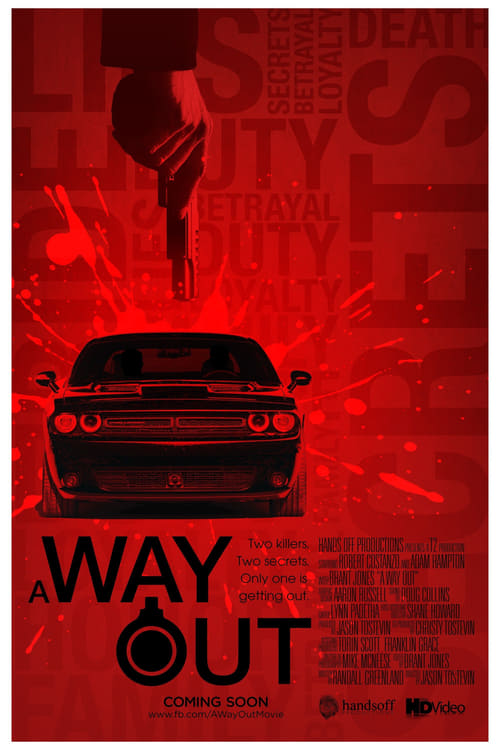





Popular
What are the backgrounds of the main characters Leo and Vincent?
How do Leo and Vincent initially meet in prison?
What is the significance of the character Harvey in the story?
What challenges do Leo and Vincent face during their escape?
How do the choices made by Leo and Vincent affect their relationship?
Should I watch it?
Ask Your Own Question

What is the plot?
Sorry, we aren't able to watch and write up a full detailed plot yet. Check back in a few days.







What is the ending?
In the movie "A Way Out," the ending reveals the fates of the two main characters, Leo and Vincent, as they confront the consequences of their actions. After a tense confrontation, the story culminates in a choice that determines whether they will escape together or face betrayal.
As the expanded narrative unfolds, the climax begins with Leo and Vincent having successfully executed their plan to escape from prison. They have navigated through various challenges, relying on each other's strengths and forming a bond that has grown throughout their journey. However, the tension escalates as they reach the final confrontation with the antagonist, Harvey, who has been a looming threat throughout their escape.
Scene by scene, the narrative progresses as follows:
The first scene of the climax takes place in a dimly lit warehouse where Leo and Vincent confront Harvey. The atmosphere is thick with tension, and the stakes are high. Leo, driven by a desire for revenge against Harvey for the betrayal that led to his imprisonment, is visibly agitated. Vincent, on the other hand, is more focused on their escape and the future they have been dreaming of. This difference in motivation creates a palpable conflict between the two men.
As they engage in a heated exchange with Harvey, the dialogue is charged with emotion. Leo's anger is evident as he accuses Harvey of ruining their lives. Vincent tries to keep the situation under control, urging Leo to think about their escape rather than revenge. The scene is fraught with danger, and the tension escalates when Harvey pulls a gun, leading to a standoff.
In the ensuing chaos, a gunfight breaks out. The camera captures the frantic movements of the characters as they duck for cover, the sound of gunfire echoing in the warehouse. Leo and Vincent work together, showcasing their teamwork and the trust they have built. However, the situation quickly spirals out of control, and they find themselves cornered.
As the dust settles, the climax reaches its peak when Leo is shot during the confrontation. The emotional weight of this moment is heavy, as Vincent rushes to his side, desperation etched on his face. Leo, despite his injuries, urges Vincent to leave and escape, emphasizing the bond they have formed. This moment highlights the depth of their friendship, as Leo prioritizes Vincent's safety over his own.
In the final moments, Vincent is faced with a choice: to leave Leo behind and escape or to stay and help his friend. The decision is heart-wrenching, and the camera lingers on Vincent's conflicted expression. Ultimately, he chooses to stay, demonstrating loyalty and the strength of their bond. However, the scene is bittersweet, as Leo succumbs to his injuries, leaving Vincent alone to confront the aftermath of their choices.
The film concludes with Vincent escaping, but the emotional toll of the events weighs heavily on him. He is left to grapple with the loss of his friend and the consequences of their actions. The final shot captures Vincent walking away from the warehouse, a mix of relief and sorrow on his face, symbolizing the complex nature of their journey and the sacrifices made along the way.
In summary, the ending of "A Way Out" encapsulates the themes of friendship, loyalty, and the harsh realities of their choices, leaving Vincent to navigate a world forever changed by the events that transpired.
Is there a post-credit scene?
The movie "A Way Out," released in 2015, does not have a post-credit scene. The film concludes its narrative without any additional scenes or content after the credits roll. The focus remains on the story of the two main characters, Leo and Vincent, as they navigate their escape from prison and the challenges they face along the way. The ending ties up their journey, emphasizing themes of trust, betrayal, and the consequences of their choices, leaving no room for further scenes or revelations after the credits.
What are the backgrounds of the main characters Leo and Vincent?
Leo Caruso is a charismatic and impulsive man who has a history of crime, including theft and robbery. He is serving time for a robbery gone wrong, which led to a murder charge. Vincent Moretti, on the other hand, is a more calculated and strategic individual, a former soldier who has been wrongfully convicted of murder. His motivation is to clear his name and find the real killer.
How do Leo and Vincent initially meet in prison?
Leo and Vincent meet in prison when Leo is trying to escape. Vincent, who is more reserved and cautious, is initially skeptical of Leo's plans. However, they quickly realize that they need each other to successfully escape, leading to a reluctant partnership.
What is the significance of the character Harvey in the story?
Harvey is a key antagonist in the story, representing the criminal underworld that both Leo and Vincent are entangled with. He is the one who betrayed Leo, leading to his imprisonment, and is also connected to Vincent's wrongful conviction. The pursuit of Harvey becomes a driving force for both characters as they seek revenge and justice.
What challenges do Leo and Vincent face during their escape?
During their escape, Leo and Vincent face numerous challenges, including navigating through the prison's security systems, dealing with guards, and overcoming their own personal conflicts. They must also make critical decisions that test their trust in each other, as their differing personalities lead to tension and conflict.
How do the choices made by Leo and Vincent affect their relationship?
The choices made by Leo and Vincent throughout their journey significantly impact their relationship. As they face moral dilemmas and life-threatening situations, their trust and camaraderie are tested. Moments of betrayal, sacrifice, and loyalty shape their bond, ultimately leading to a complex friendship that is both strained and strengthened by their experiences.
Is this family friendly?
"A Way Out," produced in 2015, is not considered family-friendly due to its mature themes and content. The film contains several potentially objectionable or upsetting aspects, including:
- Violence: There are scenes depicting physical confrontations, which may be intense and graphic.
- Strong Language: The dialogue includes frequent use of profanity, which may not be suitable for younger audiences.
- Themes of Crime: The narrative revolves around criminal activities, including theft and betrayal, which may be distressing for some viewers.
- Emotional Turmoil: Characters experience significant emotional struggles, including feelings of desperation and betrayal, which could be upsetting for sensitive viewers.
- Mature Situations: The film explores complex relationships and moral dilemmas that may not be appropriate for children.
Overall, the film's tone and content are geared towards an adult audience, making it unsuitable for children or those who are sensitive to such themes.








