





















Popular
What motivates the character of Tom to venture into the Mojave Desert?
How does the encounter between Tom and the drifter change the course of the story?
What role does the desert setting play in the development of Tom's character?
How does the relationship between Tom and the drifter evolve throughout the film?
What is the significance of the flashbacks to Tom's life in Hollywood?
Should I watch it?
Ask Your Own Question

What is the plot?
Sorry, we aren't able to watch and write up a full detailed plot yet. Check back in a few days.
More Movies Like This
Browse All Movies →

What is the ending?
In the ending of "Mojave," the confrontation between the two main characters, Tom and the mysterious drifter, escalates to a violent climax. Tom ultimately kills the drifter in self-defense, but the act leaves him deeply unsettled. The film concludes with Tom returning to his life, haunted by the encounter, suggesting that the experience has irrevocably changed him.
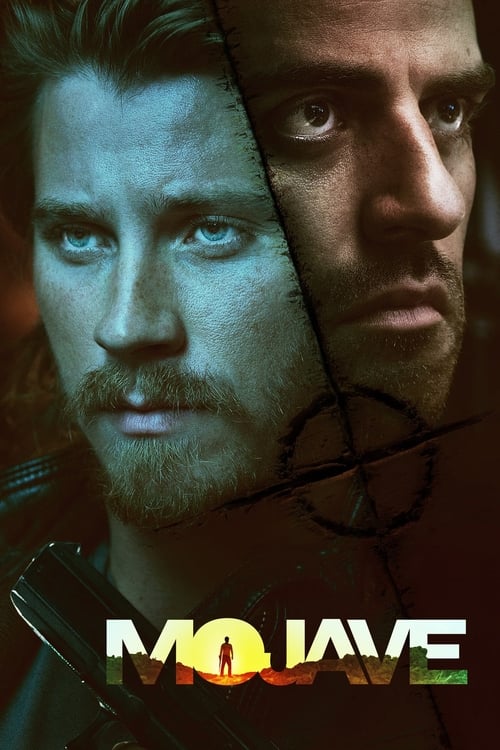
As the film approaches its climax, the tension between Tom and the drifter, who has been stalking him, reaches a boiling point. The sun hangs low in the Mojave Desert sky, casting long shadows across the barren landscape. Tom, played by Garrett Hedlund, is visibly shaken, his internal conflict evident as he grapples with the consequences of his actions and the nature of his own identity.
In a pivotal scene, Tom finds himself cornered by the drifter, who has been taunting him throughout the film. The drifter, portrayed by Oscar Isaac, embodies a chaotic force, challenging Tom's sense of self and morality. The confrontation is raw and intense, with both men exchanging heated words that reveal their vulnerabilities and fears. Tom's desperation is palpable; he is not just fighting for his life but also for his sense of purpose and clarity in a world that feels increasingly alien to him.
As the confrontation escalates, the drifter lunges at Tom, and in a moment of instinctive self-defense, Tom pulls out a gun and shoots the drifter. The act is brutal and immediate, and as the drifter collapses to the ground, the weight of what Tom has done crashes down on him. The camera lingers on Tom's face, capturing the mix of relief and horror that washes over him. He has survived, but at what cost?
In the aftermath, Tom stands over the lifeless body of the drifter, the desert wind swirling around him, carrying away the echoes of their struggle. The stark landscape mirrors Tom's internal desolation; he is now a man marked by violence, forever altered by the encounter. As he walks away, the camera follows him, emphasizing his isolation and the burden of his actions.
The film concludes with Tom returning to his life, but the haunting memories of the confrontation linger. He attempts to reintegrate into his previous existence, but the experience has left an indelible mark on his psyche. The final scenes depict him in a state of introspection, suggesting that he is now a man grappling with the darker aspects of his nature and the fragility of his identity.
In summary, Tom's fate is one of profound change; he survives but is left to confront the moral implications of his actions. The drifter, a catalyst for Tom's transformation, meets a violent end, serving as a stark reminder of the chaos that can emerge from the depths of one's psyche. The film closes on a note of ambiguity, leaving the audience to ponder the lasting effects of violence and the search for self amidst turmoil.
Is there a post-credit scene?
The movie "Mojave," produced in 2016, does not have a post-credit scene. The film concludes its narrative without any additional scenes or content after the credits roll. The story wraps up with the final events that unfold between the main characters, leaving the audience with a sense of closure regarding the intense psychological and physical confrontations that have taken place throughout the film.
What motivates the character of Tom to venture into the Mojave Desert?
Tom, a successful but disillusioned Hollywood screenwriter, is driven by a desire to escape the pressures of his life and find inspiration for his work. He seeks solitude in the vastness of the Mojave Desert, hoping to confront his inner demons and rekindle his creative spark.
How does the encounter between Tom and the drifter change the course of the story?
The encounter with the drifter, who is later revealed to be a dangerous and unpredictable character, serves as a catalyst for Tom's transformation. Initially, Tom is intrigued by the drifter's rawness and authenticity, but as the drifter's true nature unfolds, Tom's life spirals into chaos, forcing him to confront his own vulnerabilities and the consequences of his choices.
What role does the desert setting play in the development of Tom's character?
The Mojave Desert acts as a character in itself, reflecting Tom's internal struggles. Its vast, desolate landscape symbolizes his feelings of isolation and confusion. As Tom navigates the harsh environment, he grapples with his identity, ultimately leading to moments of self-reflection and confrontation with his fears.
How does the relationship between Tom and the drifter evolve throughout the film?
Initially, Tom sees the drifter as a kindred spirit, someone who embodies the freedom he craves. However, as their interactions deepen, the drifter's menacing behavior reveals a darker side. This shift transforms their relationship from one of fascination to a tense and dangerous dynamic, culminating in a life-threatening confrontation that forces Tom to fight for his survival.
What is the significance of the flashbacks to Tom's life in Hollywood?
The flashbacks to Tom's life in Hollywood serve to illustrate his internal conflict and dissatisfaction with fame and success. They provide context for his motivations to escape to the desert, highlighting the emptiness he feels despite his achievements. These glimpses into his past also contrast sharply with his present struggles, emphasizing the theme of self-discovery and the search for authenticity.
Is this family friendly?
"Mojave," produced in 2016, is not considered family-friendly due to its mature themes and content. Here are some potentially objectionable or upsetting aspects that may affect children or sensitive viewers:
-
Violence: The film contains scenes of physical confrontations and threats, which may be intense and unsettling.
-
Language: There is frequent use of strong profanity throughout the dialogue, which may be inappropriate for younger audiences.
-
Substance Use: Characters are depicted using alcohol and drugs, which could be concerning for sensitive viewers.
-
Psychological Tension: The film explores themes of existential dread and mental instability, which may be distressing for some viewers.
-
Dark Themes: The narrative delves into themes of isolation, despair, and moral ambiguity, which may not be suitable for children.
These elements contribute to the film's overall tone and may be upsetting for those who are sensitive to such content.






