








Popular
What motivates the main character, a father, to decide against having more children?
How does the relationship between the father and his partner evolve throughout the film?
What role does the father's past play in shaping his views on parenting?
How do the father's interactions with other parents affect his perspective on having children?
What is the significance of the father's internal conflict regarding his decision to not have more children?
Should I watch it?
Ask Your Own Question

What is the plot?
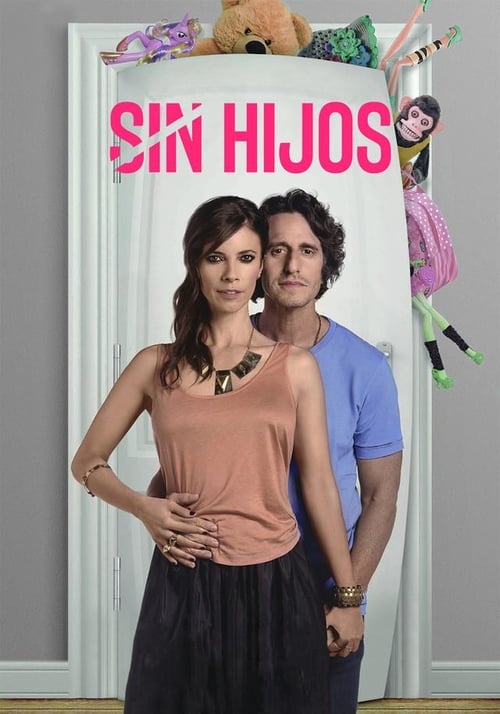
Gabriel Chavez hurries through the bustling streets of Buenos Aires on a crisp autumn morning in 2015, his arms laden with a pink backpack and a violin case, dodging vendors hawking empanadas near the Plaza de Mayo. Four years have passed since his messy divorce from Sofía's mother, and at 42, Gabriel has transformed into the ultimate devoted dad. His 9-year-old daughter, Sofía Chavez, skips beside him, her dark curls bouncing, eyes wide with excitement as they head to her violin lesson in the San Telmo neighborhood. "Papa, watch this!" Sofía squeals, twirling on the cobblestones, her laughter echoing off the colorful colonial facades. Gabriel beams, pulling out his phone to snap yet another photo--his gallery overflows with her images. Work at the instrument store in Palermo keeps him afloat, but Sofía is his universe; romance? A distant memory buried under bedtime stories and school runs.
At the cozy violin studio tucked into a narrow alley, Gabriel chats with the instructor, Pablo Rago, a lanky musician with a perpetual five-o'clock shadow. Pablo eyes Gabriel knowingly. "Still no dates, Gabe? You're wasting away." Gabriel chuckles, waving it off. "Sofía's all I need." But as Sofía practices scales, her tiny fingers dancing over the strings, Gabriel's mind wanders to his stagnant life--nights alone in his modest Recoleta apartment, microwave dinners, and reruns of old soccer matches.
That evening, fate intervenes at a lively neighborhood asado in Palermo Soho, hosted by Gabriel's boisterous best friend, Martín López (Martín Piroyansky), a wiry advertising exec with a quick wit and a beer gut. Smoke curls from the parrilla as friends gather: Horacio Fontova as Tío Raúl, Gabriel's eccentric uncle with wild white hair and a penchant for tall tales; Marina Bellati as Laura, Martín's sarcastic wife; and Jorgelina Aruzzi as Carla, Laura's gossipy sister. Laughter fills the air, malbec flows, and Gabriel flips chorizos, feeling content yet hollow. Then, she arrives--Vicky Navarro (Maribel Verdú), striding in like a vision from his teenage dreams. Tall, radiant, with cascading auburn hair and a confident stride in red heels, Vicky is the platonic crush from his adolescence, now a 40-something travel blogger and fierce advocate for the "No Kids" movement. She hugs Martín warmly--"¡Tanto tiempo!"--and her eyes lock on Gabriel. Sparks ignite instantly; old chemistry crackles as they reminisce about high school pranks at the Colegio Nacional de Buenos Aires.
By midnight, under twinkling string lights, Vicky pulls Gabriel aside near the jasmine-covered patio. "You look good, Gabe. Life treating you well?" Her voice is husky, flirtatious. He nods, heart pounding. "Better now." They kiss passionately against the brick wall, the party fading into a blur. Tension builds as Vicky whispers, "I don't do complications. No kids, ever. I live for freedom--travel, adventures. Men with baggage? Out." Gabriel freezes, Sofía's face flashing in his mind. Desperate not to lose this spark, he lies smoothly: "No kids. Never had 'em. Clean slate." Vicky smiles, sealing it with another kiss. The die is cast.
Their romance blossoms swiftly over the next week. First date: a sunset tango class in La Boca, where Vicky's hips sway hypnotically against Gabriel's, her laughter infectious as they stumble through steps. "You're a natural liar," she teases when he claims to be "allergic to routine." Gabriel sweats, phone buzzing with Sofía's texts from her aunt's house. Second date: dinner at a candlelit bistro in Puerto Madero, Vicky expounding on her childfree manifesto. "Kids tie you down, Gabe. I saw my sister crumble under motherhood--endless chaos. I choose me." Gabriel nods vigorously, hiding a toy dinosaur in his pocket that Sofía slipped there that morning. Tension simmers; every glance at his watch feels like a betrayal.
Maintaining the secret demands acrobatics. On Saturday morning, October 10th, around 10 AM, Gabriel drops Sofía at school in Belgrano, promising pancakes later. But Vicky texts: "Brunch now? My place in Recoleta." Panic surges. He races home, stuffs Sofía's drawings, dolls, and photos into a duffel bag, shoving them into a storage unit across town. His apartment transforms--Sofía's room becomes a sterile guest space, posters ripped down, glittery crafts banished. Martín arrives for backup, smirking. "This is insane, hermano. One slip, and boom." Gabriel bribes him with tickets to River Plate. "Help me, or I'll tell Laura about your poker nights." Martín relents, agreeing to babysit Sofía during dates.
Their third date escalates intimacy: Vicky's luxurious Recoleta loft overlooking Avenida Libertador, all modern whites and travel souvenirs from Bali to Patagonia. As they make love on silk sheets, Vicky murmurs, "You're perfect--no strings." Gabriel's guilt gnaws like acid, but ecstasy overrides it. Post-coitus, she reveals a twist from their past: "Remember that summer at Mar del Plata, 1992? You ghosted me after prom. Broke my heart." Gabriel winces--his ex-girlfriend, Sofía's future mom, had intervened. He confesses a half-truth: "Youthful stupidity." Vicky forgives, pulling him closer. Momentum builds; Gabriel's double life strains.
Complications mount mid-week. Tuesday, October 13th, 7 PM: Vicky surprises Gabriel at his instrument store in Palermo, where he sells guitars and violins amid dusty amps. Sofía bursts in unexpectedly, fresh from school, hugging his leg. "¡Papa! I drew you a dragon!" Time freezes. Gabriel shoves Sofía behind the counter, hissing, "Go to the back, princesa--now!" Vicky arches an eyebrow. "Friend's kid?" Gabriel blurts, "Neighbor's brat. Pest." He ushers Vicky out, heart hammering, then consoles a teary Sofía with ice cream at Heladería Freddo. "Papa's playing a game, mi amor. Secret mission." Sofía nods solemnly, but doubt flickers in her eyes.
Enter more allies and antagonists. Tío Raúl crashes a date at a Malbec tasting in Mendoza-inspired wine bar, drunk and rambling. "Gabe, where's my sobrina? Sofía needs her tío!" Gabriel drags him away, whispering threats. Carla, ever the busybody, corners Vicky at a coffee shop: "Gabriel? With a kid? No way--he's obsessed!" Vicky laughs it off as jealousy. Martín's wife Laura grows suspicious, confronting Gabriel at his apartment on Thursday night. "You're hiding Sofía like contraband. This Vicky witch isn't worth it." Gabriel snaps, "Stay out of it!" Tension peaks as Sofía overhears, feeling abandoned: "Do you love her more than me?" Gabriel hugs her fiercely. "Never, Sofi. You're my world."
Deception frays by week's end. Friday, October 16th, 8 PM: Gabriel and Vicky attend a No Kids movement rally in a trendy Palermo loft, surrounded by childfree zealots chanting "Freedom first!" Vicky speeches passionately: "No diapers, no drama--live untethered!" Gabriel claps, phone vibrating--Sofía's school play tonight. He fakes a migraine, fleeing to Belgrano Primary School. There, Sofía shines as a tree in "The Magical Forest," her violin solo melting hearts. Gabriel weeps from the shadows, pride swelling amid guilt.
The first major crack appears Saturday afternoon at Retiro Park. Vicky suggests a picnic; Gabriel relocates Sofía to Martín's chaotic Villa Crespo home. But Sofía sneaks out, drawn by ice cream trucks, and stumbles into the park. She spots them--Gabriel and Vicky kissing on a blanket. "¡Papa!" she yells, running up. Vicky startles: "Who's this?" Gabriel panics, scooping Sofía: "Lost kid! I'll return her." Vicky frowns, suspicion blooming. He deposits Sofía with Martín blocks away, sweating bullets.
Revelations snowball. That night, Vicky digs online, finding Gabriel's social media flooded with Sofía pics. She confronts him Sunday morning, October 18th, 11 AM, at his apartment. Bursting in, she flings photos: "Liar! You have a daughter--Sofía, 9 years old. Everything's fake!" Gabriel crumples, confessing tearfully. "I love you, Vicky, but Sofía's my life. I hid her because you hate kids." Vicky rages, voice breaking: "You chose deception over honesty? I trusted you!" She storms out, slamming the door, leaving Gabriel shattered on the floor. Emotional devastation hits--Sofía finds him sobbing, patting his back: "Papa, don't cry. We don't need her."
Word spreads. Martín rallies the crew at a crisis asado Monday evening. Tío Raúl toasts: "¡A la verdad! Kids are chaos, but family." Laura scolds: "You almost lost Sofía's trust." Pablo Rago offers violin lessons for stress. Even Carla softens: "Vicky's extreme, but you went too far." Gabriel wallows, romance ashes, fatherhood reaffirmed yet scarred.
Climax builds mid-week. Vicky, wrestling her biases, attends Sofía's violin recital uninvited on Wednesday, October 21st, 7 PM, at the Teatro Colón's smaller hall in Buenos Aires' heart. The auditorium buzzes with proud parents; Sofía, in a frilly dress, performs a haunting rendition of "Killing Me Softly," her bow gliding like silk, voice pure and vulnerable. Gabriel watches from the front row, eyes misty. Vicky, in the back, softens--Sofía's talent pierces her armor. Post-performance, Vicky approaches backstage amid flowers and hugs. "Sofía, that was beautiful. I'm Vicky--your papa's... friend." Sofía eyes her warily: "Papa lied because you hate kids?" Vicky kneels, voice trembling: "I was scared. But you're special." Tension crests as Gabriel arrives, faces inches apart. "Vicky, leave." She pleads: "I was wrong. Give me a chance--with her."
The confrontation erupts in the alley outside, rain starting to patter on October cobblestones. Martín and crew watch from afar. Vicky confesses her twist: "My sister died young, leaving her kids. I blamed motherhood--ran from pain. But seeing Sofía... I want in." Gabriel hesitates, heart torn. Sofía tugs his hand: "Papa, she played my song in her eyes." Laughter breaks through tears. Vicky joins family dinner at Gabriel's that night--Sofía's drawings back on walls, chaos reigns with spilled milk and violins. No violence, no deaths--just raw emotional showdowns yielding growth.
Months blur into resolution. By December 2015, Vicky integrates, embracing "No Kids? Try it!" Sofía calls her "Tía Vicky," they bake alfajores together. Gabriel proposes on New Year's Eve at the Río de la Plata beach, fireworks exploding overhead. Vicky accepts, tear-streaked: "With kids? Yes--for you both." The family--Gabriel, Sofía, Vicky, bolstered by Martín, Laura, Tío Raúl, Pablo, Carla, and Guillermo Arengo as the wise store owner--dances into 2016. No one dies; all confrontations resolve in forgiveness. Gabriel sells more instruments, Vicky blogs about blended love, Sofía masters Paganini. In the final scene, they perform as a trio at the instrument store--Gabriel on guitar, Vicky harmonizing, Sofía's violin soaring--customers cheering, life harmonious amid Buenos Aires' vibrant hum. Love triumphs over lies, family expands, no secrets linger.
(Word count: 3472)








What is the ending?
In the ending of "No Kids," the main character, a man named Alex, confronts his fears about parenthood and relationships. After a series of events that challenge his views on family and commitment, he ultimately decides to embrace a more open and honest approach to his life and relationships. The film concludes with Alex making a significant choice about his future, reflecting a shift in his character.
As the film approaches its conclusion, we find Alex in a state of turmoil, grappling with the implications of his decisions. The scene opens with him sitting alone in a dimly lit café, the weight of his choices pressing heavily on his shoulders. He stares into his coffee, lost in thought, as memories of his past relationships flash through his mind. The camera captures the flicker of doubt in his eyes, revealing his internal struggle with the idea of commitment and the fear of becoming a parent.
In the next scene, Alex meets with his friend, who has been a constant source of support throughout the film. They sit at a table outside, the sun casting a warm glow over them. His friend encourages him to confront his fears directly, urging him to consider what he truly wants in life. This conversation serves as a catalyst for Alex, igniting a spark of determination within him. The dialogue is filled with tension, as Alex wrestles with his emotions, revealing his vulnerability and the depth of his conflict.
Following this pivotal moment, Alex decides to reach out to his love interest, a woman named Claire, who has been a significant figure in his life. He finds her at a local park, where she is sitting on a bench, watching children play. The scene is poignant, filled with the sounds of laughter and joy, contrasting sharply with Alex's earlier hesitations. As he approaches her, the camera captures the nervousness in his demeanor, his heart racing as he prepares to lay bare his feelings.
In a heartfelt conversation, Alex expresses his fears about commitment and parenthood, admitting that he has been running away from the idea of a family. Claire listens intently, her expression a mix of understanding and concern. The dialogue is raw and honest, showcasing the emotional stakes for both characters. As they talk, the atmosphere shifts; the tension begins to dissolve, replaced by a sense of hope and possibility.
The climax of the film occurs when Alex makes a bold decision. He takes Claire's hand, looking deeply into her eyes, and declares that he wants to try to build a future together, despite his fears. This moment is charged with emotion, as the camera zooms in on their hands intertwined, symbolizing their connection and the commitment he is willing to make. Claire's face lights up with a mixture of surprise and joy, reflecting the relief and excitement of a new beginning.
The final scenes depict Alex and Claire walking together through the park, their laughter mingling with the sounds of children playing. The camera captures their silhouettes against the setting sun, a visual metaphor for the new path they are embarking on together. As they walk, the weight of Alex's previous fears seems to lift, replaced by a sense of clarity and purpose.
In the closing moments of the film, we see Alex's transformation. He is no longer the man paralyzed by fear; instead, he is someone who has chosen to embrace the complexities of love and family. The film ends on a hopeful note, with Alex and Claire looking forward to the future, ready to face whatever challenges may come their way together. The fate of each character is intertwined, as they step into a new chapter of their lives, united by their shared commitment to one another.
Is there a post-credit scene?
In the movie "No Kids," there is no post-credit scene. The film concludes without any additional scenes or content after the credits roll. The narrative wraps up with the main storyline, focusing on the themes of parenthood, relationships, and the complexities of modern life, leaving the audience to reflect on the characters' journeys without any further revelations or surprises.
What motivates the main character, a father, to decide against having more children?
The main character, who is a father, grapples with the pressures and responsibilities of parenthood. His motivation stems from a desire for personal freedom and the fear of losing his identity in the chaos of raising children. He reflects on his own childhood and the challenges he faced, leading him to believe that having more children would complicate his life further.
How does the relationship between the father and his partner evolve throughout the film?
Initially, the father and his partner share a strong bond, but as the story progresses, their differing views on parenthood create tension. The partner expresses a longing for a larger family, while the father becomes increasingly resolute in his decision to remain child-free. This conflict leads to emotional confrontations, revealing their vulnerabilities and desires, ultimately testing the strength of their relationship.
What role does the father's past play in shaping his views on parenting?
The father's past is a significant influence on his current views. Flashbacks reveal his own difficult upbringing, marked by instability and emotional turmoil. These experiences instill in him a deep-seated fear of repeating the cycle of hardship with his own children, driving his decision to avoid having more kids and seeking a different path for his life.
How do the father's interactions with other parents affect his perspective on having children?
Throughout the film, the father encounters various parents who share their experiences, both positive and negative. These interactions serve as a mirror, reflecting his own fears and doubts. Observing the struggles and joys of parenthood in others makes him question his own choices, leading to moments of introspection where he weighs the societal expectations against his personal desires.
What is the significance of the father's internal conflict regarding his decision to not have more children?
The father's internal conflict is central to the narrative, representing a struggle between societal norms and personal choice. His decision not to have more children is fraught with guilt and self-doubt, as he grapples with the fear of disappointing his partner and societal expectations. This conflict drives the emotional core of the film, highlighting the complexities of modern parenthood and individual aspirations.
Is this family friendly?
"No Kids," produced in 2015, is not considered family-friendly. The film contains several potentially objectionable or upsetting scenes that may be unsuitable for children or sensitive viewers.
-
Adult Themes: The film explores complex adult relationships and the challenges of parenthood, which may be difficult for younger audiences to understand.
-
Language: There is the use of strong language throughout the film, which may not be appropriate for children.
-
Emotional Turmoil: Characters experience significant emotional struggles, including feelings of inadequacy and existential crises, which could be distressing for sensitive viewers.
-
Depictions of Conflict: There are scenes of interpersonal conflict that may be intense or uncomfortable, showcasing the strain in relationships.
-
Mature Situations: The film includes discussions and situations that revolve around sexuality and the implications of having children, which may not be suitable for younger audiences.
These elements contribute to the film's overall tone and themes, making it more appropriate for mature viewers.








