











Popular
What motivates Raymond to accompany his father to Oregon?
How does the relationship between Raymond and his wife, Esther, evolve throughout the film?
What role does the character of the father, Henry, play in the family's dynamics?
How does the film portray the character of the mother, who is dealing with her husband's decision?
What is the significance of the road trip to Oregon in the context of the characters' development?
Should I watch it?
Ask Your Own Question

What is the plot?
Sorry, we aren't able to watch and write up a full detailed plot yet. Check back in a few days.









What is the ending?
In the ending of "Youth in Oregon," the family confronts the reality of their patriarch's decision to end his life on his own terms. As they gather for a final farewell, emotions run high, and each character grapples with their feelings of love, loss, and acceptance. Ultimately, the film concludes with a poignant moment of connection and understanding among the family members, as they come to terms with their father's choice.
As the film approaches its conclusion, we find ourselves in the home of Raymond, the elderly father who has decided to pursue assisted suicide in Oregon. The atmosphere is heavy with tension and unspoken words as the family gathers to support him in his final days. Raymond's daughter, Kate, is visibly torn between her love for her father and her struggle to accept his decision. She feels a deep sense of loss, knowing that she will soon be without him.
In a pivotal scene, Raymond shares a heartfelt conversation with his son, who is grappling with his own feelings of inadequacy and fear of losing his father. The two men connect over shared memories, and Raymond imparts wisdom about life, love, and the importance of making choices that honor one's own desires. This moment is filled with emotional weight, as the son realizes the depth of his father's resolve and the love that underpins his decision.
As the day of Raymond's planned departure approaches, the family gathers for a final meal together. The table is set with care, and the atmosphere is bittersweet. Laughter mingles with tears as they reminisce about happier times, sharing stories that highlight the bonds they have forged over the years. Each character reveals their vulnerabilities, and the audience witnesses the raw emotions that come with impending loss.
In the final moments, Raymond prepares to leave for the clinic where he will end his life. The family stands together, a united front despite their differing opinions on his choice. They express their love for him, and in a touching farewell, Raymond reassures them that he will always be with them in spirit. The scene is filled with a sense of acceptance, as the family acknowledges the complexity of their emotions and the inevitability of death.
As Raymond departs, the camera lingers on the faces of his family, capturing their grief, love, and the profound impact of his decision. The film closes with a sense of resolution, as each character is left to navigate their own path forward, forever changed by the experience. The final shot emphasizes the enduring connections between them, suggesting that while life may be fleeting, the love shared among family members transcends even the most difficult choices.
Is there a post-credit scene?
The movie "Youth in Oregon," released in 2017, does not have a post-credit scene. The film concludes its narrative without any additional scenes or content after the credits roll. The story wraps up with the emotional resolution of the characters' journeys, particularly focusing on the themes of family, aging, and the complexities of life and death. The absence of a post-credit scene allows the audience to reflect on the poignant moments and character developments that have unfolded throughout the film.
What motivates Raymond to accompany his father to Oregon?
Raymond is motivated by a deep sense of duty and love for his father, who is determined to end his life on his own terms. Despite his own reservations and the emotional turmoil it causes him, Raymond feels compelled to support his father's decision, reflecting his internal conflict between wanting to protect his father and respecting his wishes.
How does the relationship between Raymond and his wife, Esther, evolve throughout the film?
Throughout the film, Raymond and Esther's relationship is strained by the impending journey to Oregon and the emotional weight it carries. Esther struggles with her husband's decision to support his father's choice, leading to tension and misunderstandings. As the story progresses, they confront their own fears and desires, ultimately seeking to reconnect and understand each other's perspectives.
What role does the character of the father, Henry, play in the family's dynamics?
Henry serves as the catalyst for the family's emotional struggles, embodying the themes of mortality and autonomy. His decision to pursue assisted suicide creates a rift among family members, particularly with Raymond, who grapples with feelings of helplessness and anger. Henry's character challenges the family to confront their own beliefs about life and death, forcing them to reevaluate their relationships.
How does the film portray the character of the mother, who is dealing with her husband's decision?
The mother, played by a supporting character, is depicted as a woman caught in a whirlwind of grief and confusion. She struggles to accept her husband's choice, feeling a mix of betrayal and sorrow. Her emotional journey highlights the complexities of love and loss, as she navigates her own feelings while trying to support her family during this difficult time.
What is the significance of the road trip to Oregon in the context of the characters' development?
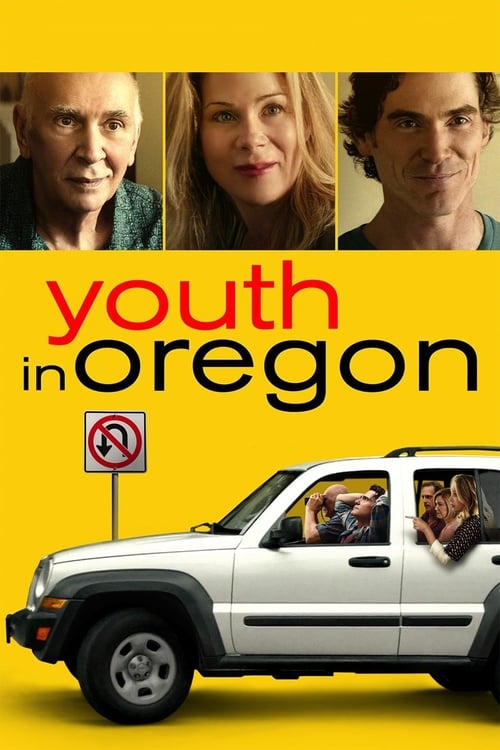
The road trip to Oregon serves as a transformative journey for all characters involved. It acts as a physical and metaphorical passage that forces them to confront their emotions, relationships, and the realities of life and death. Each stop along the way reveals deeper layers of their personalities and unresolved issues, ultimately leading to moments of clarity and connection as they face the impending loss together.
Is this family friendly?
"Youth in Oregon" is a drama that deals with themes of aging, mortality, and family dynamics, which may not be suitable for younger audiences or sensitive viewers. Here are some potentially objectionable or upsetting aspects:
-
Euthanasia Discussion: The film centers around the topic of assisted suicide, which is a significant and sensitive theme that may be distressing for children or those uncomfortable with discussions about death.
-
Emotional Turmoil: Characters experience deep emotional struggles, including grief, frustration, and existential crises, which may be heavy for younger viewers to process.
-
Family Conflict: There are scenes of intense family arguments and disagreements that can be uncomfortable, showcasing the strain that the situation puts on relationships.
-
Illness and Decline: The portrayal of aging and the physical decline of a character can be upsetting, as it confronts the realities of health issues and the impact on loved ones.
-
Sadness and Loss: The overall tone of the film is somber, with moments that evoke sadness and reflection on life and death, which may be challenging for sensitive viewers.
These elements contribute to the film's mature themes, making it more suitable for adult audiences.