









Popular
What motivates Kanang to become a warrior?
How does Kanang's relationship with his father influence his character?
What role does the spirit world play in Kanang's journey?
How does Kanang confront the antagonist, and what are the stakes involved?
What challenges does Kanang face in his quest for vengeance?
Should I watch it?
Ask Your Own Question

What is the plot?
Sorry, we aren't able to watch and write up a full detailed plot yet. Check back in a few days.







What is the ending?
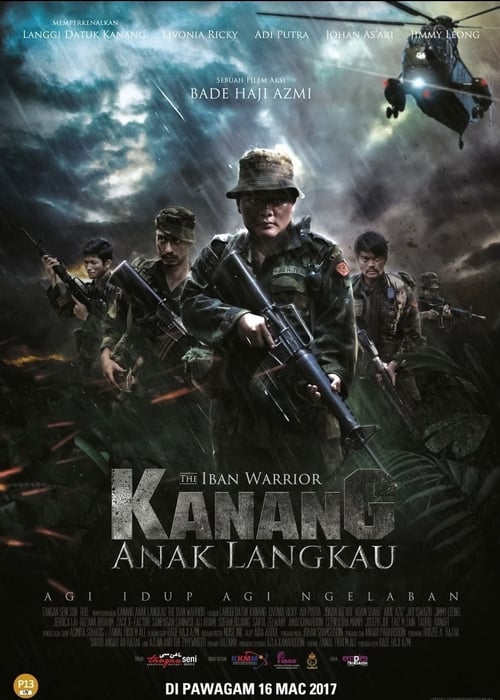
In the ending of "Kanang Anak Langkau: The Iban Warrior," Kanang faces his final battle against the Japanese forces. He demonstrates bravery and skill, ultimately leading his men to victory. The film concludes with Kanang being honored for his heroism, reflecting on his journey and the sacrifices made by his comrades.
As the climax of "Kanang Anak Langkau: The Iban Warrior" unfolds, the tension escalates as Kanang and his fellow warriors prepare for the decisive confrontation against the Japanese soldiers. The scene is set in a dense jungle, where the air is thick with anticipation and the sounds of nature are punctuated by the distant rumble of war. Kanang, portrayed with a fierce determination, rallies his men, instilling in them a sense of purpose and unity. His internal struggle is palpable; he is not just fighting for his people but also grappling with the weight of leadership and the loss of friends along the way.
As the battle commences, the camera captures the chaos of war--the clash of weapons, the shouts of soldiers, and the cries of the wounded. Kanang moves with agility and precision, embodying the spirit of a true warrior. His motivations are clear; he fights not only for survival but to protect his homeland and honor the legacy of his ancestors. The cinematography highlights the brutality of the conflict, with close-ups of Kanang's face revealing his resolve and moments of doubt.
In a pivotal moment, Kanang confronts a high-ranking Japanese officer. The tension is thick as they engage in a fierce duel, showcasing Kanang's skills and the cultural significance of the fight. The choreography of the battle is both beautiful and brutal, emphasizing the clash of cultures and the stakes involved. As Kanang emerges victorious, the scene shifts to his comrades, who cheer and rally around him, their faces a mix of relief and pride.
The aftermath of the battle is bittersweet. The warriors stand amidst the remnants of the conflict, reflecting on the cost of their victory. Kanang, though celebrated as a hero, carries the burden of loss. The film captures his emotional state as he looks over the fallen, including friends and fellow warriors who fought valiantly. This moment is poignant, underscoring the theme of sacrifice and the harsh realities of war.
In the final scenes, Kanang is honored in a traditional ceremony, surrounded by his community. The vibrant colors of the Iban attire and the rhythmic sounds of traditional music create a celebratory atmosphere, yet there is an undercurrent of sorrow. Kanang's face reveals a mix of pride and grief as he acknowledges the sacrifices made by his comrades. The film closes with a powerful image of Kanang standing tall, a symbol of resilience and strength, as he looks towards the horizon, embodying hope for the future of his people.
The fates of the main characters are intertwined with the themes of honor and sacrifice. Kanang emerges as a celebrated warrior, but the weight of his experiences shapes him into a leader who understands the true cost of conflict. His comrades, though some have fallen, are remembered with reverence, their spirits living on in the stories shared by the community. The film concludes on a note of reflection, emphasizing the importance of remembering those who fought and the enduring spirit of the Iban people.
Is there a post-credit scene?
In the movie "Kanang Anak Langkau: The Iban Warrior," there is no post-credit scene. The film concludes its narrative without any additional scenes or content after the credits roll. The story wraps up with a focus on the themes of bravery, cultural heritage, and the struggles faced by the Iban people, leaving the audience with a sense of closure regarding the journey of the protagonist, Kanang. The film emphasizes the importance of honoring one's roots and the sacrifices made for the sake of family and community, culminating in a powerful and emotional resolution.
What motivates Kanang to become a warrior?
Kanang is driven by a deep sense of duty to protect his people and uphold the traditions of the Iban culture. His journey begins with a personal loss that ignites his desire for vengeance against those who threaten his community.
How does Kanang's relationship with his father influence his character?
Kanang's relationship with his father is pivotal; his father instills in him the values of bravery and honor. This bond shapes Kanang's identity as a warrior and his commitment to his family's legacy, pushing him to prove himself worthy of his lineage.
What role does the spirit world play in Kanang's journey?
The spirit world is a significant aspect of Kanang's journey, as he often seeks guidance from ancestral spirits. These encounters provide him with wisdom and strength, reinforcing his connection to his heritage and the spiritual beliefs of the Iban people.
How does Kanang confront the antagonist, and what are the stakes involved?
Kanang confronts the antagonist, who represents the encroachment of modernity and violence against his people. The stakes are high, as this confrontation is not only about personal revenge but also about the survival of his culture and the protection of his community.
What challenges does Kanang face in his quest for vengeance?
Throughout his quest, Kanang faces numerous challenges, including physical battles, moral dilemmas, and the emotional toll of loss. He grapples with the consequences of his actions and the impact they have on his relationships, particularly with those who care for him.
Is this family friendly?
"Kanang Anak Langkau: The Iban Warrior" is a film that portrays the life and struggles of the Iban people, particularly focusing on the character of Kanang, a legendary warrior. While the film is rich in cultural representation and showcases themes of bravery, honor, and tradition, it does contain some elements that may be considered objectionable or upsetting for children or sensitive viewers.
-
Violence and Warfare: The film includes scenes depicting traditional warfare, which may involve combat, weaponry, and the aftermath of battles. These scenes can be intense and may be distressing for younger audiences.
-
Death and Loss: There are moments that deal with the themes of death and loss, particularly in the context of family and community. The emotional weight of these scenes may be heavy for sensitive viewers.
-
Cultural Practices: Some cultural rituals and practices depicted in the film may be unfamiliar or unsettling to some viewers, particularly those involving traditional beliefs and customs.
-
Emotional Struggles: Characters experience significant emotional turmoil, including grief, anger, and conflict, which may resonate deeply and evoke strong feelings.
-
Mature Themes: The film touches on themes of survival, sacrifice, and the impact of colonialism, which may be complex and require a level of maturity to fully understand.
Overall, while the film is a celebration of Iban culture and heroism, parents may want to consider these aspects when determining its suitability for younger or more sensitive viewers.








