


















No Image
Popular
What motivates the character of Kavan to take on the media industry?
How does Kavan's relationship with his love interest, played by Madonna Sebastian, evolve throughout the film?
What role does the antagonist play in Kavan's journey, and how does their conflict unfold?
What specific events lead to Kavan's decision to expose the truth about the media industry?
How does Kavan's character development reflect the challenges he faces in the film?
Should I watch it?
Ask Your Own Question

What is the plot?
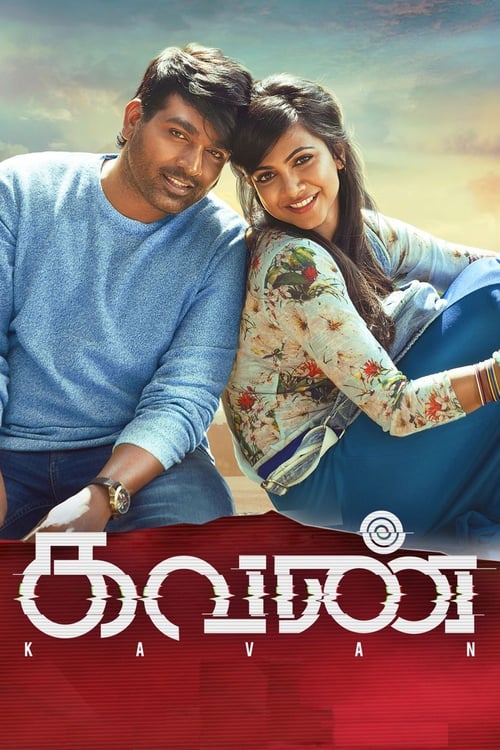
The film Kavan (2017) opens with a rapid montage of sensationalist news clips from Zen One TV, a popular Tamil news channel that thrives on exaggeration and emotional manipulation to boost its TRP ratings. The urban newsroom buzzes with energy, cameras rolling, anchors delivering dramatic headlines, and producers pushing for more sensational content. This is the world where Thilak (Vijay Sethupathi) works--a creative head and news anchor whose voice carries the channel's signature blend of cynicism and showmanship. Early on, Thilak delivers a line with a sardonic edge: "Men will always be like this, face it," which draws whistles from the studio audience, signaling his initial complicity with the channel's unethical sensationalism.
Zen One TV is owned by Kalyan (Skywalker), a shrewd and corrupt media baron who openly instructs his staff to prioritize ratings over truth. "If it bleeds, it leads," he commands, underscoring the channel's ruthless approach. Kalyan's close alliance with Dheeran Maniarasu (Bose Venkat), a powerful and corrupt politician, ensures that Zen One never airs negative stories about Dheeran, effectively turning the channel into a propaganda machine. This alliance is cemented by kickbacks and mutual protection, with Dheeran's political fortunes tied to the channel's manufactured narratives.
Malar (Madonna Sebastian), a reporter at Zen One and Thilak's ex-girlfriend, is introduced as someone who initially avoids Thilak, hinting at unresolved feelings and past tensions. The newsroom also includes Ashok, the creative head who is complicit in the channel's unethical practices, often manipulating footage and scripts to suit Kalyan's agenda.
The story's tension begins to build when Malar receives distressing news: her friend Kalpana (Darshana Rajendran), a passionate social activist fighting against a polluting chemical plant, has been brutally assaulted. Worse, Kalpana's boyfriend Abdul Kader (Vikranth Santhosh) is being framed for the attack. This incident is a pivotal moment that exposes the dark underbelly of Zen One TV's sensationalism and political collusion.
Thilak, Malar, and Ashok visit the hospital where Kalpana is admitted. The sterile, tense atmosphere of the hospital contrasts sharply with the chaotic newsroom. Here, they orchestrate a daring plan to smuggle Kalpana out, determined to give her a platform to tell the truth. Kalpana's medical records become crucial evidence, proving the assault and contradicting the fabricated narrative spun by Kalyan and Dheeran.
Back at Zen One, Thilak pushes to broadcast the real story, including a powerful video clip showing Dheeran assaulting him during a confrontation in the studio. This footage is a bombshell, exposing the violent lengths to which Dheeran and his men will go to silence dissent. The newsroom erupts in chaos as Kalyan's control is challenged. Thilak's defiance marks a turning point--he confronts Kalyan directly, accusing him of cronyism and journalistic malpractice. Kalyan's response is swift and brutal: Thilak is fired and blacklisted from all major media networks, effectively ending his career at Zen One.
In a show of solidarity, Malar, executive producer Jagan, and colleagues Nisha and Aishwarya walk out with Thilak, sacrificing their own careers to stand against corruption. The group's collective blacklisting underscores the pervasive power of Kalyan and Dheeran's influence.
The stakes escalate when Kalyan and Dheeran orchestrate a bomb blast at the District Collector's office, a calculated move to frame Abdul and sensationalize the event as a terrorist attack. The blast devastates the office, and the tension is palpable as the public narrative is manipulated to serve political ends. Thilak and his team, however, refuse to be silenced. They uncover the conspiracy behind the blast, gathering evidence that reveals Kalyan and Dheeran's orchestration of the attack to eliminate opposition and boost their own agendas.
The narrative moves to the Muthamizh studio, a rival media outlet where Kalyan and Dheeran, feeling cornered, make a bold but reckless decision. In a tense and charged confrontation, Thilak and his allies face off against the corrupt duo. Kalyan and Dheeran brazenly admit their crimes, attempting to justify their actions as necessary for power and survival. Their arrogance is their undoing, as the Police Commissioner, who has been working undercover within Muthamizh, secretly records their confession. This recording becomes the linchpin for justice.
Throughout the film, Thilak's character arc is compelling: from a cynical participant in sensationalism to a principled crusader for truth. His transformation is mirrored in his relationship with Malar, who initially distances herself but ultimately rekindles her feelings as they unite in their fight against corruption.
The film's climax is a crescendo of tension and moral victory. Kalyan and Dheeran are arrested, their empire of deceit dismantled. The final scenes are celebratory yet sober, with Thilak, Mayilvaganan (the owner of a struggling ethical channel who supports their cause), Malar, Jagan, Pillai, Nisha, and Aishwarya standing together, symbolizing the triumph of integrity over corruption.
No major character dies in the film; instead, the narrative focuses on ideological battles and exposing systemic rot. The emotional weight lies in the sacrifices made--careers lost, friendships tested, and the personal cost of standing up for truth.
Visually, the film contrasts the sterile, artificial world of Zen One TV's sensationalism with the gritty reality faced by activists like Kalpana and Abdul. Emotional moments--such as Kalpana's hospital escape, Thilak's brutal assault on Ashok after discovering his betrayal, and the final confession scene--are rendered with vivid intensity, drawing the viewer into the moral complexities of media ethics and political power.
In the end, Kavan is a story about the power of journalism when wielded responsibly, the dangers of media manipulation, and the courage required to confront entrenched corruption. The film closes on a hopeful note, with the team united and ready to continue their fight, embodying the ideal that truth can prevail even in the darkest of times.


What is the ending?
In the ending of "Kavan," the protagonist, Kavan, confronts the corrupt media mogul, who has been manipulating events for his own gain. Kavan exposes the truth, leading to the downfall of the antagonist. The film concludes with Kavan and his love interest, Swathi, finding a sense of hope and resolution amidst the chaos.
As the climax of "Kavan" unfolds, the tension escalates dramatically. Kavan, portrayed by Vijay Sethupathi, is determined to bring justice to light. The scene opens with Kavan gathering evidence against the media mogul, who has been using his power to control narratives and silence dissent. Kavan's internal struggle is palpable; he is torn between his desire for revenge and his moral compass guiding him toward truth and justice.
In a pivotal moment, Kavan confronts the media mogul in a high-stakes public forum. The atmosphere is charged with anticipation as Kavan presents irrefutable evidence of the mogul's corrupt practices. The crowd, initially swayed by the mogul's charisma, begins to turn as Kavan's passionate plea resonates with their own experiences of manipulation and deceit. The mogul's facade starts to crumble, revealing his true nature as a villain who has exploited the trust of the public.
As the confrontation escalates, the mogul attempts to discredit Kavan, but the evidence is overwhelming. The scene is filled with tension as Kavan stands firm, embodying the fight for truth against overwhelming odds. The emotional stakes are high; Kavan's determination is fueled by the injustices he has witnessed, and he channels his anger into a powerful call for accountability.
In the aftermath of the confrontation, the media mogul's empire begins to unravel. News reports flood in, detailing the corruption and manipulation that had been hidden for so long. Kavan watches as the mogul is arrested, a mix of relief and vindication washing over him. This moment signifies not just a personal victory for Kavan, but a triumph for the truth and the people who have suffered under the mogul's reign.
Meanwhile, Swathi, Kavan's love interest, stands by his side, her faith in him unwavering. Their relationship, which has been tested throughout the film, emerges stronger as they share this moment of victory. The emotional connection between them deepens, symbolizing hope and resilience in the face of adversity.
As the film draws to a close, Kavan and Swathi walk away from the chaos, hand in hand. The final scenes depict them looking toward a brighter future, embodying the film's message of hope and the power of truth. Kavan's journey from a man seeking revenge to one who fights for justice culminates in this moment of resolution, leaving the audience with a sense of optimism.
In summary, Kavan's fate is one of redemption and triumph, having successfully exposed the truth and reclaimed his integrity. Swathi, too, finds her place alongside Kavan, representing the strength of love and partnership in the face of corruption. The film concludes on a hopeful note, emphasizing the importance of standing up for what is right, even when the odds are stacked against you.
Is there a post-credit scene?
In the movie "Kavan," produced in 2017, there is no post-credit scene. The film concludes its narrative without any additional scenes or content after the credits roll. The story wraps up with the resolution of the main plot, focusing on the protagonist's journey and the themes of media ethics and personal integrity. The absence of a post-credit scene allows the audience to reflect on the film's message without any further distractions.
What motivates the character of Kavan to take on the media industry?
Kavan, played by Vijay Sethupathi, is driven by a deep sense of justice and a desire to expose the truth. His motivation stems from witnessing the impact of media manipulation on people's lives, particularly when he sees how false narratives can ruin reputations and lives. This personal connection to the consequences of media lies fuels his determination to challenge the corrupt practices within the industry.
How does Kavan's relationship with his love interest, played by Madonna Sebastian, evolve throughout the film?
Kavan's relationship with his love interest, who is a journalist, begins with a strong bond over their shared passion for truth and justice. As the plot progresses, their relationship is tested by the challenges they face in the media world, including Kavan's increasing involvement in dangerous situations. Despite the external pressures, their emotional connection deepens, showcasing their mutual support and understanding as they navigate the complexities of their careers and personal lives.
What role does the antagonist play in Kavan's journey, and how does their conflict unfold?
The antagonist, a powerful media mogul, represents the corrupt side of the industry that Kavan seeks to expose. This character's ruthless tactics and willingness to manipulate the truth create significant obstacles for Kavan. The conflict escalates as Kavan uncovers the mogul's unethical practices, leading to a series of confrontations that highlight the struggle between integrity and power. The antagonist's actions force Kavan to confront his own values and the lengths he is willing to go to uphold them.
What specific events lead to Kavan's decision to expose the truth about the media industry?
Kavan's decision to expose the truth is catalyzed by a series of events, including witnessing a close friend's life being ruined by a fabricated news story. This incident serves as a wake-up call for Kavan, prompting him to investigate the underlying corruption in the media. Additionally, he encounters various instances of injustice that reinforce his belief in the need for accountability within the industry, ultimately leading him to take a stand against the powerful forces at play.
How does Kavan's character development reflect the challenges he faces in the film?
Kavan's character development is marked by his transformation from a passionate but naive individual to a determined and strategic player in the media landscape. Initially, he is idealistic, believing that truth will prevail. However, as he faces betrayal, danger, and moral dilemmas, he learns to navigate the complexities of the media world. This evolution is reflected in his growing resilience and tactical approach to exposing corruption, showcasing his internal struggle between maintaining his principles and adapting to survive.
Is this family friendly?
"Kavan," produced in 2017, is a Tamil film that contains several elements that may not be suitable for children or sensitive viewers. Here are some potentially objectionable or upsetting aspects:
-
Violence: The film includes scenes of physical confrontations and violence, which may be intense and unsettling for younger audiences.
-
Corruption and Crime: The narrative revolves around themes of corruption, crime, and the darker aspects of society, which may be distressing for some viewers.
-
Emotional Turmoil: Characters experience significant emotional struggles, including betrayal and loss, which could be heavy for sensitive viewers.
-
Mature Themes: The film addresses complex social issues, including the impact of media and public perception, which may be difficult for younger audiences to fully understand.
-
Language: There may be instances of strong language or suggestive dialogue that could be inappropriate for children.
Overall, while "Kavan" has a compelling story, its themes and content may not be suitable for all viewers, particularly children or those who are sensitive to such material.









